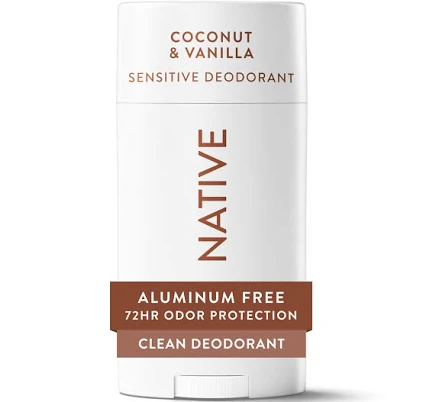
Native Sensitive Deodorant
Lower concern. Base material and formula show no known PFAS triggers.
The aluminum compound and mineral-wax formulation uses materials not linked to PFAS. The brand has no PFAS statement on record.
We flunk more products than we pass. This one earned its grade. How we grade
Material
Aluminum compound base, talc/mineral powders, wax emulsion
Brand disclosure
Brand is silent on PFAS
Lab data
No public lab test
You may also be interested in
Top-graded picks in the categories readers replace first, every one scored on the same rubric.

- polypropylene filter housing, carbon/sediment cartridge
- We found no PFAS statement from the brand
- Bacterial growth in spent cartridges
3 hazards checked on this product, all on its full breakdown.

Aquasure
Premier Series 75 GPD Under Sink Reverse Osmosis Water Filtration System
- RO membrane, carbon filters, stainless steel housing
- We found no PFAS statement from the brand
- Bacterial and microbial growth in housing and filters
4 hazards checked on this product, all on its full breakdown.

Avocado
Vegan Mattress
- organic cotton, natural latex, coconut coir, recycled steel coils
- The brand calls it PFAS-free, which we have not verified
- Heavy metals
2 hazards checked on this product, all on its full breakdown.
What Native Sensitive Deodorant is made of, ingredients and materials
Native Sensitive uses aluminum compounds (likely aluminum chlorohydrate or similar antiperspirant salts) as the active ingredient, combined with talc or mineral powders for texture and moisture absorption, held in a wax-based emulsion. This is a standard formulation for roll-on or stick deodorants. The aluminum compound is absorbed minimally through skin in normal use; talc mineral powders are inert fillers unless contaminated, which would require testing to establish.
What’s concerning
Category baseline
The starting point for this type of product, before anything specific to this product is counted.
No PFAS disclosure
No public statement from the brand about PFAS in this product.
Aluminum absorption and systemic toxicity
Aluminum chlorohydrate is the active antiperspirant compound in this product. Dermal absorption is minimal under normal use; however, some research suggests elevated aluminum exposure via antiperspirants may pose a theoretical concern for vulnerable populations. Regulatory agencies (FDA, SCCS) have set exposure limits for antiperspirant aluminum at typical use levels, though the evidence base supporting these limits is contested in sci
Wax emulsion stability and irritation
The wax base in this product is inert under normal storage but can separate or degrade if exposed to high heat, potentially altering skin feel and causing irritation in sensitive individuals. No specific adverse event reports for Native Sensitive are on record.
What’s reassuring
Base material not linked to PFAS
The main material recorded for this product is not one associated with PFAS.
Talc contamination (asbestos)
No recalls or test results linking Native Sensitive to asbestos-contaminated talc are on record. Modern talc suppliers are subject to FDA oversight, but independent testing of this specific product is not publicly available. Risk depends on raw material sourcing, which Native does not disclose.
Fragrance allergens (non-applicable to Sensitive line)
Native Sensitive is marketed as fragrance-free, which eliminates the hazard of fragrance allergens (e.g., limonene, cinnamate) present in standard Native deodorant. This formulation choice reduces contact sensitization risk compared to the brand's other lines.
Heavy metals
Talc and other mineral powders used as fillers can occasionally carry trace heavy metals (lead, cadmium) depending on mining source and processing. No testing or recalls for Native Sensitive indicate contamination; however, the brand does not publish mineral sourcing or heavy metal test results.
Source, FDA ↗How is this PFAS grade calculated?
The brand's record and disclosure
Native (acquired by Procter & Gamble in 2017) does not publish detailed safety data sheets or ingredient sourcing transparency on their consumer website. The brand has not disclosed PFAS testing results or stance on PFAS-free formulation, which is notable given industry-wide scrutiny of deodorants. No recalls or safety controversies specific to Native deodorants are on public record. The brand markets products as 'naturally derived' but does not provide third-party certifications (e.g., NSF, EWG) for the Sensitive line.
How it compares in its category
Native Sensitive sits in the mainstream aluminum-based deodorant segment, alongside brands like Dove, Secret, and Degree. Unlike mineral or baking-soda-based alternatives (Lume, Tom's), it uses conventional antiperspirant chemistry. Many competitors in this tier (Degree, Secret) similarly lack public PFAS transparency. Native's 'Sensitive' formulation typically excludes fragrance and alcohol, which reduces irritation risk versus standard lines but does not alter the core hazard profile.
If you buy it
Apply as directed (typically once daily or as needed) to clean, dry skin. Deodorant does not require replacement based on heat exposure or time limits; discard or replace if the formulation separates, discolors, or develops odor (signs of bacterial contamination or degradation). If skin irritation develops, discontinue and patch-test on a small area before reuse. Store in a cool, dry place away from direct heat to preserve wax emulsion stability, though deodorant is not expected to degrade under normal bathroom conditions.
What is not known about PFAS in this product?
- Basis
- Model estimate, 72% confidence, not a lab result
- Lab test
- None on record for this exact product
- Brand statement
- Native has made none
Formulations change between production runs, so check the current label. How we grade.
What are the PFAS-free alternatives to Native Sensitive Deodorant?
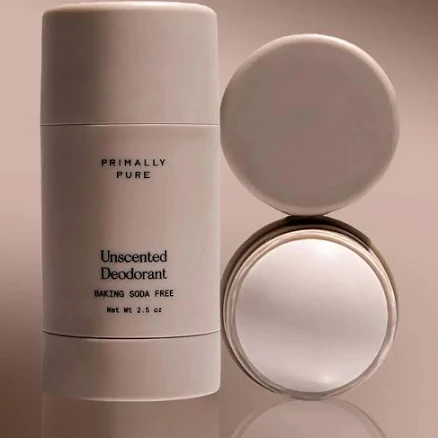
- mineral-based powder blend (arrowroot, magnesium hydroxide, mica)
- We found no PFAS statement from the brand
- Skin irritation from magnesium hydroxide alkalinity
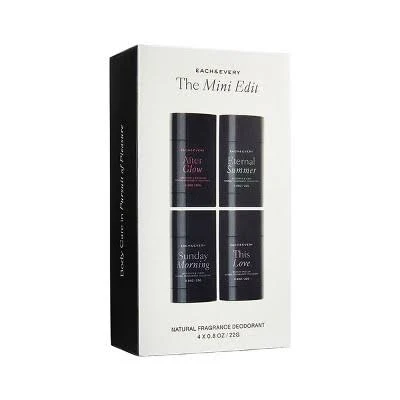
- cosmetic formulations, primary ingredients listed
- A third party reports verifying it as PFAS-free
- Fragrance allergens (natural essential oils)
2 hazards checked on this product, all on its full breakdown.
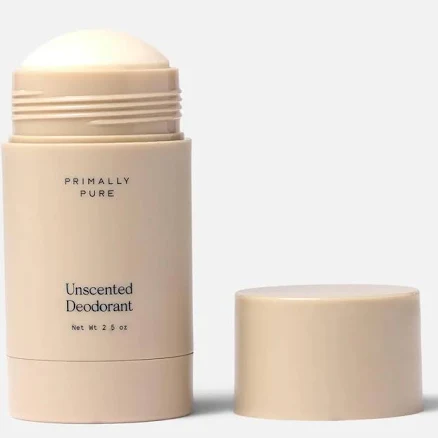
- natural mineral powders, plant-based actives, beeswax
- We found no PFAS statement from the brand
- Beeswax purity and contamination
2 hazards checked on this product, all on its full breakdown.
More deodorant grades
How we score, every product runs through the same public 0-100 rubric based on materials, coatings, brand disclosure, lab findings, and recalls. See the full methodology → Spotted a mistake? Report an error.