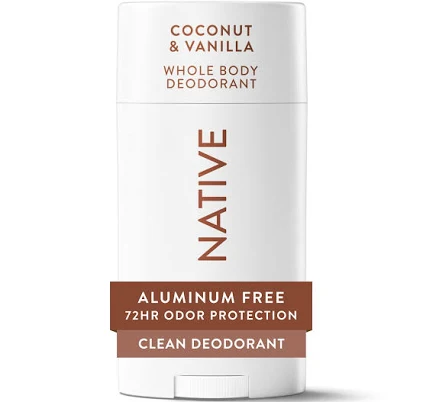
Native Whole Body Deodorant
Stick deodorant with mineral base, no known PFAS risks identified.
Native's whole body deodorant uses mineral powder and plant-derived ingredients typical of solid stick deodorants. No waterproofing, non-stick coatings, or water-resistant treatments reported, reducing PFAS concern.
We flunk more products than we pass. This one earned its grade. How we grade
Material
mineral powder, plant-based emollients, starch
Brand disclosure
Brand is silent on PFAS
Lab data
No public lab test
You may also be interested in
Top-graded picks in the categories readers replace first, every one scored on the same rubric.

- polypropylene filter housing, carbon/sediment cartridge
- We found no PFAS statement from the brand
- Bacterial growth in spent cartridges
3 hazards checked on this product, all on its full breakdown.

Aquasure
Premier Series 75 GPD Under Sink Reverse Osmosis Water Filtration System
- RO membrane, carbon filters, stainless steel housing
- We found no PFAS statement from the brand
- Bacterial and microbial growth in housing and filters
4 hazards checked on this product, all on its full breakdown.

Avocado
Vegan Mattress
- organic cotton, natural latex, coconut coir, recycled steel coils
- The brand calls it PFAS-free, which we have not verified
- Heavy metals
2 hazards checked on this product, all on its full breakdown.
What Native Whole Body Deodorant is made of, ingredients and materials
Native's Whole Body Deodorant uses talc-free mineral powder (typically calcium carbonate or magnesium), plant-based emollients such as coconut oil and shea butter, and starches for absorption. The absence of talc eliminates the historical contamination risk associated with asbestos presence in some talc sources. The emollient base means this product relies on moisture and friction control rather than aluminum-based antiperspirant chemistry, reducing exposure to a compound whose long-term safety profile remains debated in some medical communities.
What’s concerning
Category baseline
The starting point for this type of product, before anything specific to this product is counted.
No PFAS disclosure
No public statement from the brand about PFAS in this product.
Fragrance allergens
Native's formula includes fragrance from essential oils and plant extracts. Essential oil-based scents can trigger contact dermatitis or sensitization in individuals with fragrance sensitivities; patch testing is recommended for sensitive skin.
Bacterial or fungal growth in stick container
The emollient-rich formula and stick format provide moisture that could support microbial growth if the product is stored in humid environments or contaminated during use. Proper storage and avoiding direct skin-to-stick contact with open wounds reduces this risk.
What’s reassuring
Base material not linked to PFAS
The main material recorded for this product is not one associated with PFAS.
Talc contamination (asbestos risk)
Product is marketed as talc-free and uses mineral powders instead. No talc-related recalls or safety alerts have been issued for this specific deodorant.
Heavy metals
No published test results or recalls document heavy metal contamination in Native deodorant. Mineral powders used in cosmetics are generally subject to FDA oversight, though third-party testing has not been publicly disclosed for this brand.
Source, FDA ↗Formaldehyde / VOCs
The ingredient list does not include known formaldehyde releasers such as DMDM hydantoin or imidazolidinyl urea. No contamination alerts have been reported for this product.
Source, ATSDR ↗How is this PFAS grade calculated?
The brand's record and disclosure
Native has built a brand identity around minimalist, transparent formulations and is generally regarded as responsive to consumer safety inquiries. The company does not publicly claim organic or third-party certification (such as EWG verification), but ingredient lists are accessible and straightforward. No major safety recalls or controversies tied to this product line have been documented in public records; the brand's positioning emphasizes simplicity over proprietary blending.
How it compares in its category
This product sits in the 'natural deodorant' segment, which avoids aluminum antiperspirant compounds that dominate mass-market alternatives. Unlike charcoal or clay-heavy naturals, Native's mineral-and-oil approach is gentler and less likely to cause skin irritation from abrasive particles. It trades antiperspirant efficacy for deodorant function (odor control without sweat suppression), a trade-off typical of this category that appeals to users avoiding aluminum or preferring skin-neutral formulas.
If you buy it
Store in a cool, dry place to prevent the emollient base from becoming overly soft or separating, especially in warm climates. Reapply as needed throughout the day, since non-antiperspirant deodorants typically require more frequent use than aluminum-based alternatives. Discontinue use if skin irritation develops, though the formula is unlikely to cause reaction in most users. Monitor the stick for mold or discoloration if stored in high-humidity bathrooms; replace every 6-9 months depending on usage.
What is not known about PFAS in this product?
- Basis
- Model estimate, 78% confidence, not a lab result
- Lab test
- None on record for this exact product
- Brand statement
- Native has made none
Formulations change between production runs, so check the current label. How we grade.
What are the PFAS-free alternatives to Native Whole Body Deodorant?
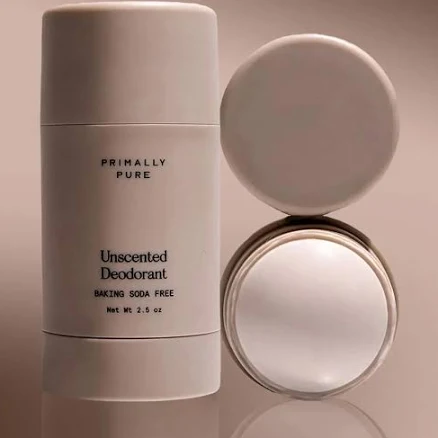
- mineral-based powder blend (arrowroot, magnesium hydroxide, mica)
- We found no PFAS statement from the brand
- Skin irritation from magnesium hydroxide alkalinity
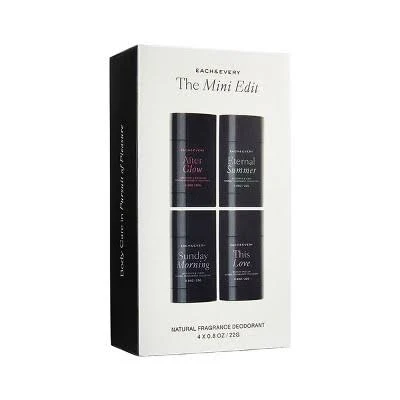
- cosmetic formulations, primary ingredients listed
- A third party reports verifying it as PFAS-free
- Fragrance allergens (natural essential oils)
2 hazards checked on this product, all on its full breakdown.
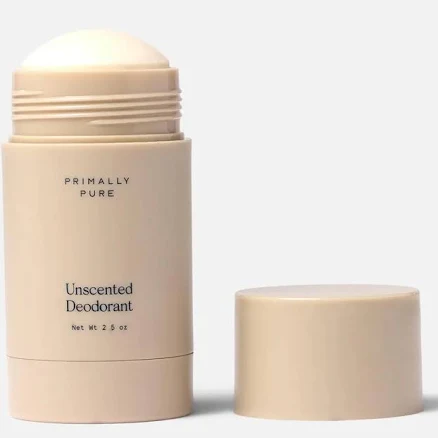
- natural mineral powders, plant-based actives, beeswax
- We found no PFAS statement from the brand
- Beeswax purity and contamination
2 hazards checked on this product, all on its full breakdown.
More deodorant grades
How we score, every product runs through the same public 0-100 rubric based on materials, coatings, brand disclosure, lab findings, and recalls. See the full methodology → Spotted a mistake? Report an error.