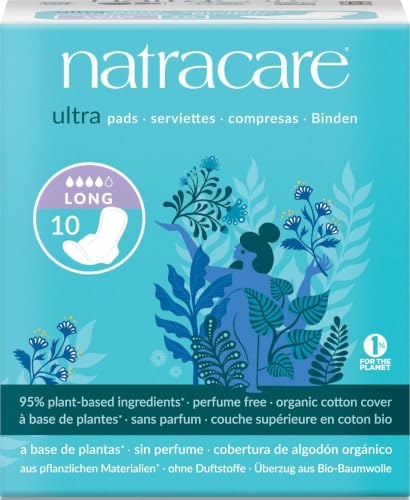
Natracare Organic Cotton Pads
Lower concern; organic cotton product with no known PFAS use.
Natracare pads are organic cotton-based with no disclosed chemical treatments or PFAS additives. Brand does not claim PFAS-free status; no third-party PFAS testing available.
We flunk more products than we pass. This one earned its grade. How we grade
Material
organic cotton, cellulose core
Brand disclosure
Brand is silent on PFAS
Lab data
No public lab test
You may also be interested in
Top-graded picks in the categories readers replace first, every one scored on the same rubric.

- polypropylene filter housing, carbon/sediment cartridge
- We found no PFAS statement from the brand
- Bacterial growth in spent cartridges
3 hazards checked on this product, all on its full breakdown.

Aquasure
Premier Series 75 GPD Under Sink Reverse Osmosis Water Filtration System
- RO membrane, carbon filters, stainless steel housing
- We found no PFAS statement from the brand
- Bacterial and microbial growth in housing and filters
4 hazards checked on this product, all on its full breakdown.

Avocado
Vegan Mattress
- organic cotton, natural latex, coconut coir, recycled steel coils
- The brand calls it PFAS-free, which we have not verified
- Heavy metals
2 hazards checked on this product, all on its full breakdown.
What Natracare Organic Cotton Pads is made of, ingredients and materials
Natracare pads are constructed from certified organic cotton and a cellulose (wood pulp) core, with no synthetic polymers or chlorine bleaching in the absorbent layers. Organic cotton cultivation avoids synthetic pesticides and fertilizers, reducing residual chemical burden in a product in direct contact with mucous membranes. The cellulose core is biodegradable and poses lower chemical leaching risk than superabsorbent polymer (SAP) layers found in conventional pads. This material choice is relevant because period-care products remain in prolonged intimate contact, making chemical purity a legitimate design consideration.
What’s concerning
Category baseline
The starting point for this type of product, before anything specific to this product is counted.
No PFAS disclosure
No public statement from the brand about PFAS in this product.
Chlorine bleaching residues (dioxins, AOX)
The product is marketed as 'unbleached,' but exact processing of the cellulose core is not publicly disclosed. Some certified organic products use ECF (elemental chlorine-free) bleaching rather than TCF (totally chlorine-free); residual halogenated compounds are not on record but remain a theoretical concern if ECF processes are used.
What’s reassuring
Base material not linked to PFAS
The main material recorded for this product is not one associated with PFAS.
Formaldehyde / VOCs
Organic cotton certification (GOTS/ECO) excludes most fabric finishing resins that release formaldehyde. No known formaldehyde treatments are reported in Natracare pads; unbleached cellulose core does not require formaldehyde-based resins.
Source, ATSDR ↗Azo dyes or synthetic colorants
Natracare pads are not dyed; the color is natural cotton and wood pulp. GOTS certification prohibits carcinogenic azo dyes. No synthetic pigments are on record for this product.
Pesticide residue
Organic cotton certification ensures crops are grown without synthetic pesticides. Finished product testing for residues is not publicly disclosed by Natracare, but GOTS auditing includes farm-to-finished-product chain of custody; no pesticide contamination recalls or reports are on record.
Source, EPA ↗Microplastics
Product is 100 percent cellulose and cotton; no synthetic fibers or polymers are present. No microplastic shedding is a plausible concern for this material composition.
Source, EPA ↗How is this PFAS grade calculated?
The brand's record and disclosure
Natracare is certified organic by GOTS (Global Organic Textile Standard) and ECO (European Certification for Organic Textiles), indicating third-party verification of fiber sourcing and restricted chemical use in production. The brand does not publicly disclose testing or formal statements on PFAS, though the absence of synthetic coatings or water-repellent treatments reduces theoretical exposure routes. No recalls or safety controversies are on record for this product line. Certification bodies (GOTS, ECO) have their own chemical exclusion lists, which provide indirect assurance but are not brand-specific commitments.
How it compares in its category
Most conventional pads contain synthetic absorbent polymers (SAP), plastic-film backings with potential PFAS water-repellent coatings, and chlorine-bleached wood pulp. Natracare's organic cotton and unbleached cellulose approach eliminates synthetic polymer chemistry and most industrial bleaching pathways found in mass-market competitors. Other organic or eco-marketed brands (e.g., Seventh Generation, Rael) use similar cotton-cellulose construction; Natracare's GOTS certification is a distinguishing standard. For chemical sensitivity or precautionary approach, organic cotton pads occupy a lower-concern tier than conventional plastic-backed alternatives.
If you buy it
Store pads in a cool, dry place to prevent moisture absorption and microbial growth in the cellulose core, which can occur in humid bathrooms. Cellulose-based pads degrade faster than synthetic alternatives, so check for discoloration, odor, or material breakdown before use; replace if packaging is compromised or product is older than 12 months. Natracare pads are designed for single-use and should not be flushed or reused. The organic cotton may feel less soft initially than conventional pads treated with silicone or synthetic fibers; this is normal and does not indicate a defect.
What is not known about PFAS in this product?
- Basis
- Model estimate, 72% confidence, not a lab result
- Lab test
- None on record for this exact product
- Brand statement
- Natracare has made none
Formulations change between production runs, so check the current label. How we grade.
What are the PFAS-free alternatives to Natracare Organic Cotton Pads?
- A third party reports verifying it as PFAS-free
- Fragrance allergens (if scented variant)
2 hazards checked on this product, all on its full breakdown.
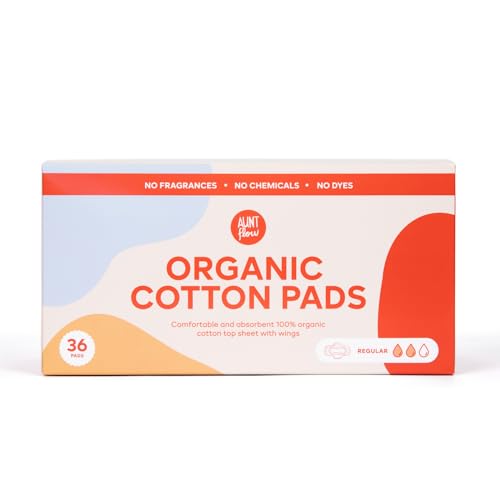
- organic cotton with natural fibers
- The brand calls it PFAS-free, which we have not verified
- Microplastics
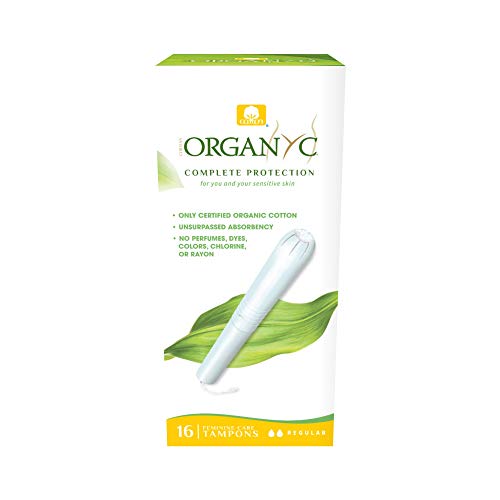
Organyc
100% Certified Organic Cotton Tampons Cardboard Applicator
- 100% organic cotton with cardboard applicator
- We found no PFAS statement from the brand
- Cardboard applicator structural integrity over time
More period care grades
 100Seventh Generation Maxi Pads - Overnight
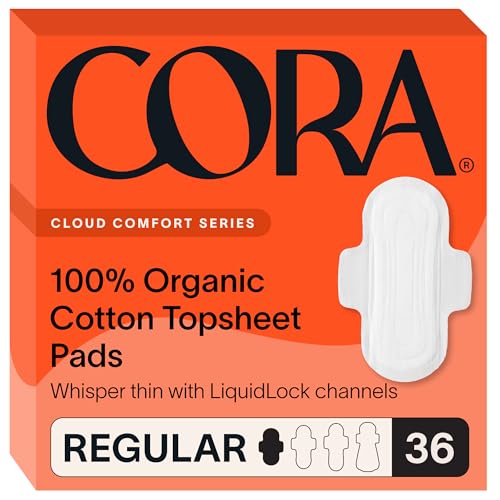 70Cora Organic Cotton Pads
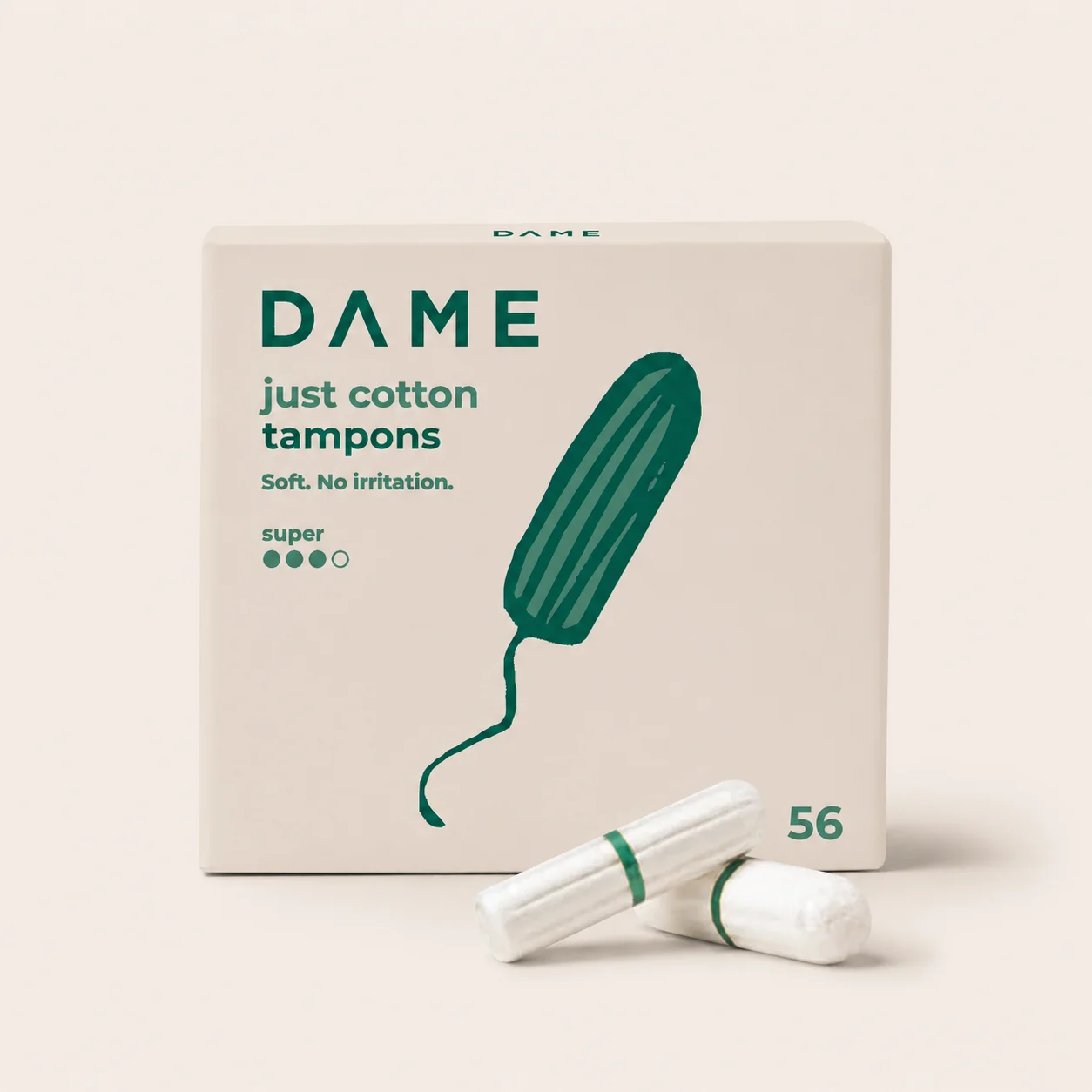 70Dame Organic Cotton Tampons
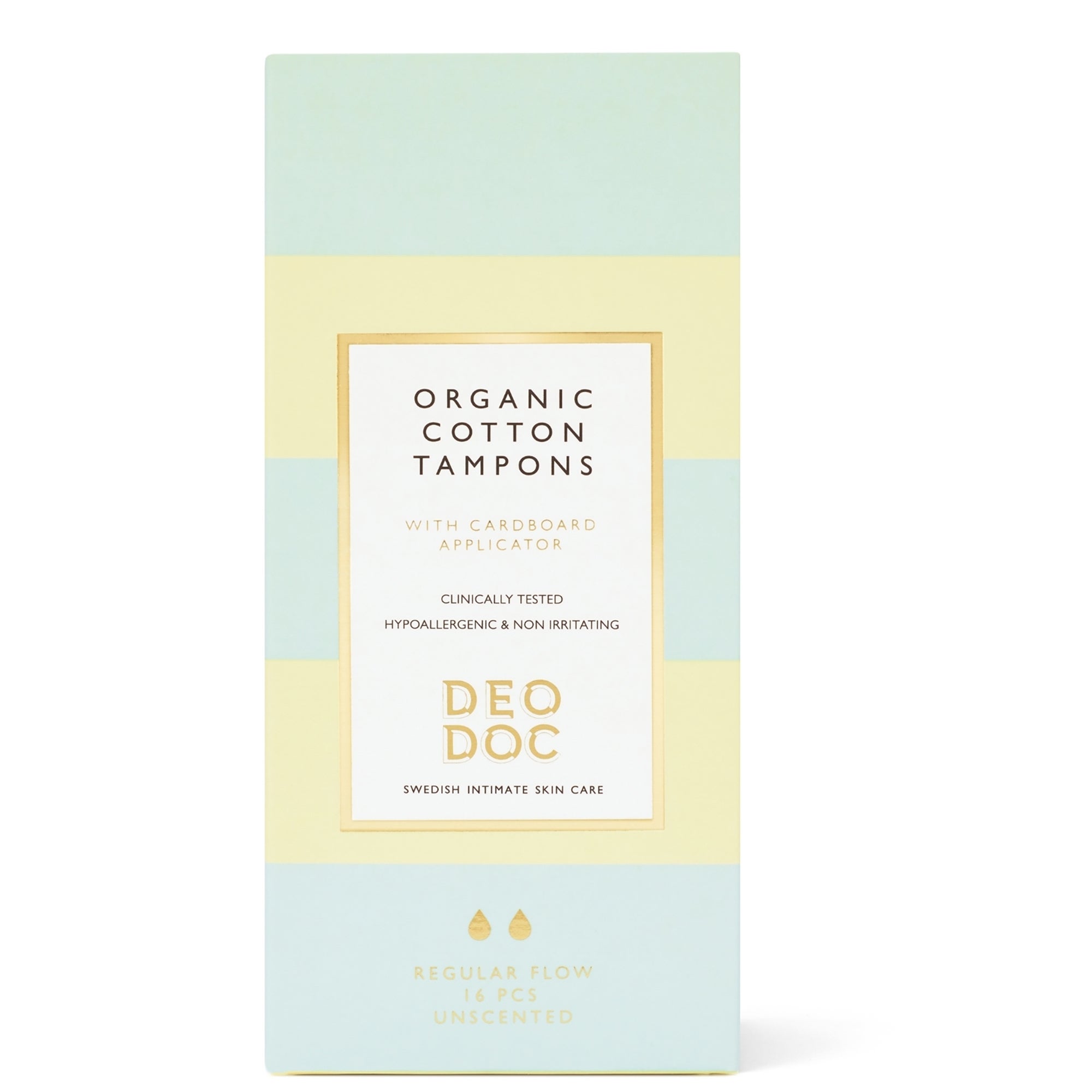 70DeoDoc Cotton Tampons
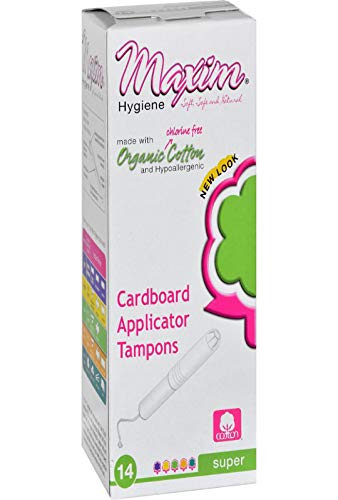 70Maxim Hygiene Organic Cotton Cardboard Applicator Tampons
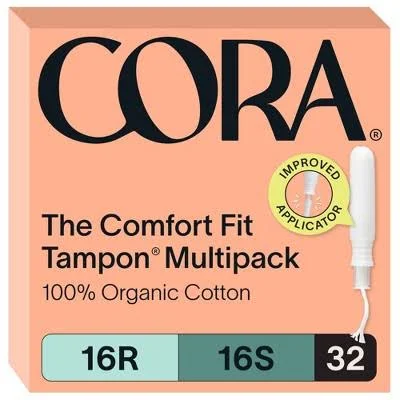 70Cora Organic Tampons
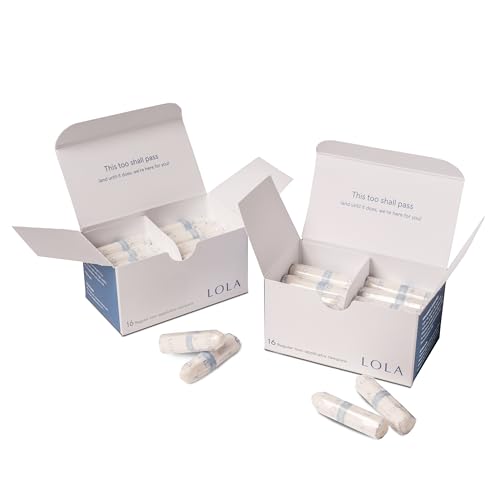 70Lola 100% Organic Cotton Tampons Applicator Free
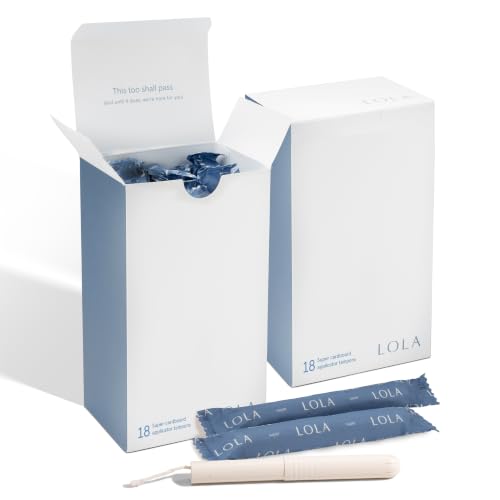 70Lola 100% Organic Cotton Tampons Cardboard Applicator
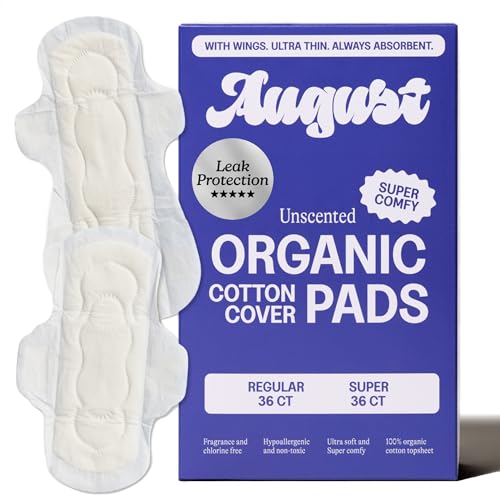 70August Organic Cotton Top Layer Pads, 36-Pack Regular
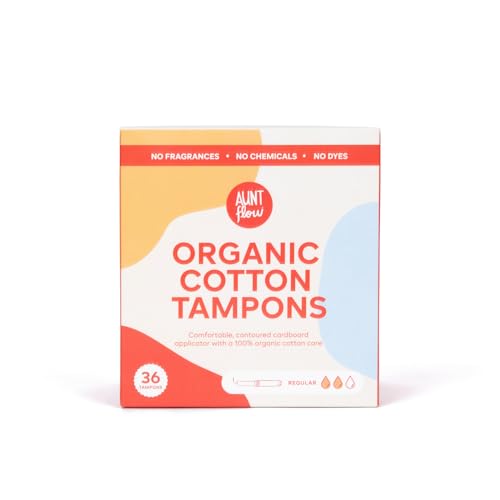 70Aunt Flow Organic Cotton Cardboard Applicator TamponsCompare vs Natracare →All period care →
How we score, every product runs through the same public 0-100 rubric based on materials, coatings, brand disclosure, lab findings, and recalls. See the full methodology → Spotted a mistake? Report an error.