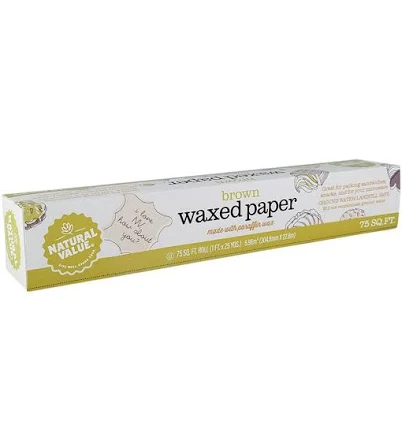
Natural Value · Grease-Resistant Butcher & Deli Paper
Natural Value Waxed Paper 6-pack
Lower concern. Traditional wax coating unlikely to contain PFAS.
This waxed paper uses mineral wax coating, not Teflon-family coating. No PFAS disclosure is available, but this product category rarely requires fluorinated treatments.
The better-graded swap
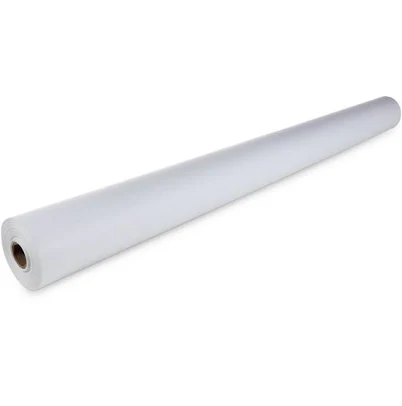
IDL Packaging
Idl Packaging White Butcher Paper 18" x 12000" Natural Butcher Paper Roll for Meat and Fish
95/100 safety
Same rubric that flunked this product. The swap earned Excellent.
Still want this one anyway? Check the price on Amazon. We’d swap it.
Material
Paper with wax coating (mineral-based)
Brand disclosure
Brand is silent on PFAS
Lab data
No public lab test
You may also be interested in
Top-graded picks in the categories readers replace first, every one scored on the same rubric.

- polypropylene filter housing, carbon/sediment cartridge
- We found no PFAS statement from the brand
- Bacterial growth in spent cartridges
3 hazards checked on this product, all on its full breakdown.

Aquasure
Premier Series 75 GPD Under Sink Reverse Osmosis Water Filtration System
- RO membrane, carbon filters, stainless steel housing
- We found no PFAS statement from the brand
- Bacterial and microbial growth in housing and filters
4 hazards checked on this product, all on its full breakdown.

Avocado
Vegan Mattress
- organic cotton, natural latex, coconut coir, recycled steel coils
- The brand calls it PFAS-free, which we have not verified
- Heavy metals
2 hazards checked on this product, all on its full breakdown.
What Natural Value Waxed Paper 6-pack is made of, ingredients and materials
Natural Value waxed paper consists of kraft paper coated with mineral wax, typically paraffin or a paraffin blend. This coating makes the paper grease-resistant and moisture-repellent without adding plastic. Mineral wax has been in food contact use for decades and does not readily leach into food under normal storage conditions; the paper substrate itself is inert when not subjected to heat stress.
What’s concerning
Disclosed non-fluorinated coating
Coating is named and is not a fluorochemical (wax, paraffin, mink oil).
Category baseline
The starting point for this type of product, before anything specific to this product is counted.
No PFAS disclosure
No public statement from the brand about PFAS in this product.
Mineral wax leaching under heat
Mineral paraffin wax is stable at room and refrigeration temperatures. However, direct contact with hot foods (above 150-160F) may cause wax softening and potential minor migration into fatty foods. This risk is low for typical use but should be avoided.
Coating degradation and microparticles
Over time or with repeated folding and handling, the wax coating can flake or shed small particles onto food. While mineral wax is not toxic if ingested in trace amounts, visible coating deterioration is a sign to discard the product.
Mold or bacterial growth if damp-stored
Paper products absorb moisture; if stored in humid or damp conditions, the paper substrate (beneath the wax) can support mold growth. Proper dry storage in original packaging prevents this.
What’s reassuring
Paper substrate contaminants (bleach, inks, minerals)
Kraft paper used in food-contact products is regulated for chlorine bleach and ink residues. No specific recalls or violations for Natural Value waxed paper are recorded, suggesting routine manufacturing compliance. Quality assurance is assumed but not independently verified.
Allergen cross-contamination (food residues)
This is a packaging issue, not a material hazard. If used to wrap allergen-containing foods, residues may remain on subsequent sheets. Treat each roll as potentially contaminated if shared across kitchens with multiple allergen concerns.
How is this PFAS grade calculated?
The brand's record and disclosure
Natural Value is a store-label brand (Albertsons) with minimal public disclosure on food-contact material sourcing or third-party testing. No established recalls or safety violations specific to this product are on record. The brand does not publicly commit to PFAS-free certifications, but the use of traditional mineral wax (rather than modern barrier coatings) suggests low risk by formulation.
How it compares in its category
Waxed paper occupies a middle ground in food wrapping, more heat-tolerant than uncoated paper, less durable than plastic wrap, and without the persistent chemical concerns of Teflon-family coating-coated alternatives. Compared to parchment paper (silicone-coated) or plastic cling wrap (PVC/polyethylene), mineral-waxed paper is chemically simpler and avoids both synthetic polymer and fluorine-based residues.
If you buy it
Use waxed paper for room-temperature and refrigerated storage, wrapping baked goods, and lining surfaces. Avoid direct contact with foods above 150 degrees Fahrenheit, as heat softens mineral wax and may increase surface migration. Replace rolls if the wax coating visibly flakes, cracks, or becomes tacky. Store in a cool, dry place to prevent wax bloom or separation.
What is not known about PFAS in this product?
- Basis
- Model estimate, 72% confidence, not a lab result
- Lab test
- None on record for this exact product
- Brand statement
- Natural Value has made none
Formulations change between production runs, so check the current label. How we grade.
What are the PFAS-free alternatives to Natural Value Waxed Paper 6-pack?
IDL Packaging
White Butcher Paper 18" x 12000" Natural Butcher Paper Roll for Meat and Fish
- unbleached natural kraft paper
- The brand calls it PFAS-free, which we have not verified
- Mold or microbial growth
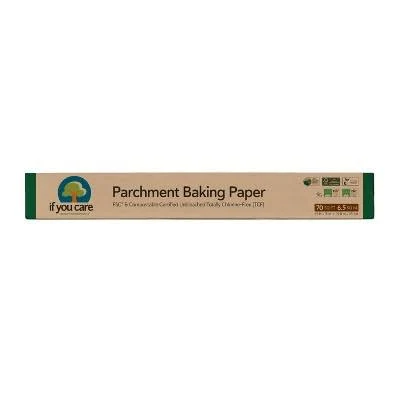
- unbleached parchment paper, silicone coating
- The brand calls it PFAS-free, which we have not verified
- Silicone coating degradation under heat stress
2 hazards checked on this product, all on its full breakdown.
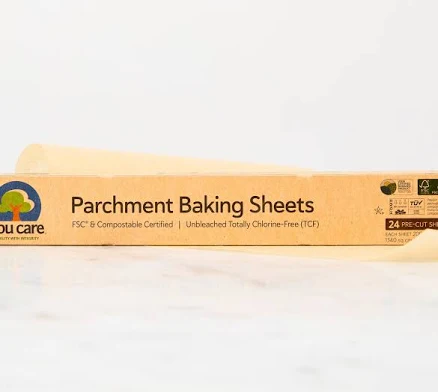
- Silicone-coated parchment paper
- The brand calls it PFAS-free, which we have not verified
- Silicone coating degradation at high heat
More grease-resistant butcher & deli paper grades
How we score, every product runs through the same public 0-100 rubric based on materials, coatings, brand disclosure, lab findings, and recalls. See the full methodology → Spotted a mistake? Report an error.