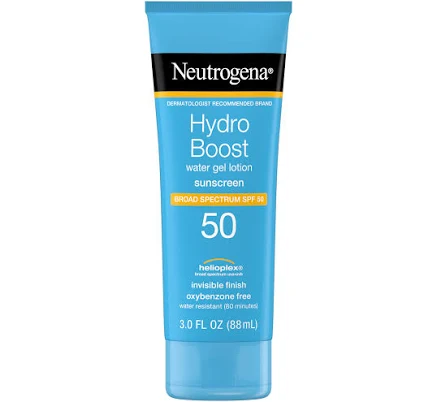
Neutrogena Hydro Boost Sunscreen Water Gel Lotion SPF
Sunscreen with no fluorinated ingredient on record, and no PFAS statement from the brand.
Neutrogena has no PFAS statement on record for this sunscreen. Our record does not include an ingredient-level check, so look for fluorinated ingredients such as Teflon-type coating on the label.
We flunk more products than we pass. This one earned its grade. How we grade
Material
water-based gel lotion with waterproofing agent
Lab data
No public lab test
You may also be interested in
Top-graded picks in the categories readers replace first, every one scored on the same rubric.

- polypropylene filter housing, carbon/sediment cartridge
- We found no PFAS statement from the brand
- Bacterial growth in spent cartridges
3 hazards checked on this product, all on its full breakdown.

Aquasure
Premier Series 75 GPD Under Sink Reverse Osmosis Water Filtration System
- RO membrane, carbon filters, stainless steel housing
- We found no PFAS statement from the brand
- Bacterial and microbial growth in housing and filters
4 hazards checked on this product, all on its full breakdown.

Avocado
Vegan Mattress
- organic cotton, natural latex, coconut coir, recycled steel coils
- The brand calls it PFAS-free, which we have not verified
- Heavy metals
2 hazards checked on this product, all on its full breakdown.
What Neutrogena Hydro Boost Gel Lotion SPF is made of, ingredients and materials
Neutrogena Hydro Boost Sunscreen is a water-based gel lotion formulation, meaning it suspends UV filters in a water and humectant matrix rather than oil. The waterproofing function comes from polymer or silicone-based thickeners and emulsifiers, not fluorinated coatings. Water-based gels typically contain fewer heavy-metal pigments than powder or pressed formulations, and the aqueous base reduces volatility of fragrance components during storage and use.
What’s concerning
Category baseline
The starting point for this type of product, before anything specific to this product is counted.
No PFAS disclosure
No public statement from the brand about PFAS in this product.
Fragrance allergens and sensitizers
Cosmetic fragrances in sunscreen formulations commonly include limonene, linalool, and other volatile compounds that may trigger contact dermatitis or respiratory sensitivity in susceptible users. This product contains fragrance per typical Neutrogena formulation; full fragrance component list is not typically disclosed on label.
Formaldehyde / VOCs
Water-based gel lotions require preservatives to prevent microbial growth. Common preservatives in Neutrogena products include parabens or phenoxyethanol; formaldehyde-releasing preservatives (DMDM hydantoin, imidazolidinyl urea) are used in some sunscreen lines. No formaldehyde-releaser has been confirmed in this specific product, but ingredient list review at point of purchase is advisable.
Source, ATSDR ↗Microplastic shedding from polymer film-formers
Water-gel formulations often contain acrylate copolymers or silicone polymers to create water resistance and smooth feel. These polymers do not shed as microbeads but may fragment over time if the product is exposed to thermal stress or mechanical damage. Primary exposure is dermal, not ingestion, and risk is considered low for topical sunscreen use.
Eye irritation from emulsifier or UV filter residue
Chemical UV filters (especially octinoxate and oxybenzone) and surfactant emulsifiers can irritate eyes if the sunscreen is not fully removed or if it migrates toward the eye during sweating. Users should rinse thoroughly with water and avoid application to eyelid area; discontinue if persistent redness or discomfort occurs.
What’s reassuring
Base material not linked to PFAS
The main material recorded for this product is not one associated with PFAS.
Heavy metals
Chemical sunscreens (oxybenzone, octinoxate) do not typically contain lead or cadmium; mineral sunscreens (zinc oxide, titanium dioxide) are not on record for contamination in FDA-compliant products. No recalls for heavy-metal contamination in Neutrogena Hydro Boost sunscreen are documented.
Source, FDA ↗How is this PFAS grade calculated?
The brand's record and disclosure
Neutrogena is owned by Johnson & Johnson and operates under FDA cosmetics oversight; sunscreens are FDA-regulated drugs. The brand has published ingredient lists for this product and submits to standard safety review, though it has not issued a public statement on PFAS avoidance. No major safety recalls specific to this product line are on record, and the brand funds dermatological testing for many formulations. Ingredient disclosure is transparent on packaging and retailer sites.
How it compares in its category
Water-gel sunscreens occupy a middle ground, lighter feel than cream sunscreens, easier to spread than powders, and generally lower heavy-metal pigment load than tinted mineral sunscreens. Compared to aerosol spray sunscreens, gels pose no inhalation risk from propellants. Compared to oil-based formulations, water gels reduce concern for phthalate carriers, though fragrance is still present. This product's waterproof claim aligns with industry standard (80 minutes in water per FDA guidance).
If you buy it
Store in a cool, dry place away from direct sunlight; UV filters can degrade if exposed to heat above 40°C (104°F) for extended periods. Replace annually or sooner if the product separates, discolors, or smells off. Apply generously (about 1/4 teaspoon to face) and reapply every 2 hours or immediately after swimming or sweating. Discontinue if irritation or rash develops, especially if you have sensitive skin or known sensitivities to fragrance or preservatives.
What is not known about PFAS in this product?
- Basis
- Model estimate, 45% confidence, not a lab result
- Lab test
- None on record for this exact product
- Brand statement
- Neutrogena has made a specific claim
Formulations change between production runs, so check the current label. How we grade.
What are the PFAS-free alternatives to Neutrogena Hydro Boost Sunscreen Water Gel Lotion SPF?
- Mineral sunscreen, zinc oxide base
- A third party reports verifying it as PFAS-free
- 1,4-dioxane (non-intentional contaminant from surfactants/emulsifiers)
2 hazards checked on this product, all on its full breakdown.
- mineral sunscreen (zinc oxide or titanium dioxide base)
- The brand calls it PFAS-free, which we have not verified
- Synthetic fragrance allergens
More sunscreen grades
How we score, every product runs through the same public 0-100 rubric based on materials, coatings, brand disclosure, lab findings, and recalls. See the full methodology → Spotted a mistake? Report an error.