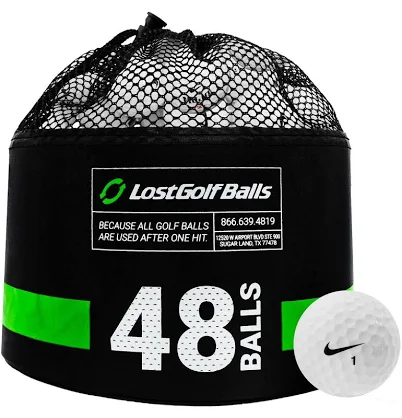
Nike 36-Count Mint Recycled Golf Ball
Skip; golf ball coatings often use water-repellent coating treatments containing PFAS.
Golf balls typically receive water-resistant surface coatings to enhance performance. Nike does not disclose PFAS use or absence in this recycled ball product.
The better-graded swap
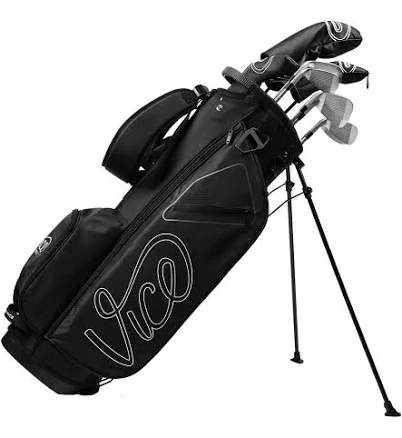
Vice Golf
Vice Golf Boost Starter Set
85/100 safety
Same rubric that flunked this product. The swap earned Excellent.
Still want this one anyway? Check the price on Amazon. We’d swap it.
Material
Recycled rubber/synthetic polymer with coating
Lab data
No public lab test
You may also be interested in
Top-graded picks in the categories readers replace first, every one scored on the same rubric.

- polypropylene filter housing, carbon/sediment cartridge
- We found no PFAS statement from the brand
- Bacterial growth in spent cartridges
3 hazards checked on this product, all on its full breakdown.

Aquasure
Premier Series 75 GPD Under Sink Reverse Osmosis Water Filtration System
- RO membrane, carbon filters, stainless steel housing
- We found no PFAS statement from the brand
- Bacterial and microbial growth in housing and filters
4 hazards checked on this product, all on its full breakdown.

Avocado
Vegan Mattress
- organic cotton, natural latex, coconut coir, recycled steel coils
- The brand calls it PFAS-free, which we have not verified
- Heavy metals
2 hazards checked on this product, all on its full breakdown.
What Nike 36-Count Mint Recycled Golf Ball is made of, ingredients and materials
This ball is composed of recycled rubber and synthetic polymer (likely polyurethane or similar elastomer) with a surface coating for durability and water repellency. The coating is the critical unknown, water-resistant finishes on golf balls are frequently formulated with PFAS-based water-repellent coating (water-repellent coating) chemistry to maintain performance through repeated water exposure. Recycled content itself poses no inherent toxicity, but the coating formulation and any degradation products during use are the main safety variables.
What’s concerning
Category baseline
The starting point for this type of product, before anything specific to this product is counted.
No PFAS disclosure
No public statement from the brand about PFAS in this product.
Waterproof / stain-resistant treatment
Water-repellent coating treatments have historically used PFAS.
PFAS
Golf ball water-repellent surface treatments commonly use PFAS chemistry. Nike has not disclosed the specific water-repellent coating formulation for this model, so PFAS presence cannot be ruled out and is likely given industry norms.
Source, ATSDR ↗Coating degradation and microparticle shedding
As the ball's surface coating wears from play and weather exposure, small polymer fragments may shed. Recycled balls may have variable coating quality compared to virgin materials, increasing shedding risk over time.
What’s reassuring
Heavy metals
Recycled rubber in golf balls is not typically linked to heavy metal contamination in published safety assessments. Nike does not disclose the source or purification process for recycled material, but no established recalls or warnings exist for this product line.
Source, FDA ↗Off-gassing from polymer or adhesives
Synthetic polymer golf balls do not have a history of significant VOC or formaldehyde off-gassing concerns when stored at normal temperatures. Risk increases only if balls are exposed to heat above 60°C.
How is this PFAS grade calculated?
The brand's record and disclosure
Nike has made public commitments to reduce PFAS in apparel and footwear but has not disclosed specific phase-out timelines or testing for golf equipment. Nike Golf's website and product documentation do not specify whether this ball uses PFAS-free water-repellent technology or traditional PFAS-based treatments. The silence on ball coating chemistry is typical across the golf industry, where water-repellent coating formulations are often proprietary and rarely disclosed to consumers.
How it compares in its category
Most recycled and conventional golf balls from major brands (Titleist, Callaway, Bridgestone, etc.) do not publicly disclose coating chemistry, making direct comparison difficult. Some specialty manufacturers (e.g., certain eco-focused brands) explicitly market PFAS-free balls, though these are less common and often more expensive. Nike's recycled ball sits in the mainstream tier where PFAS risk is neither confirmed nor ruled out, which is the norm rather than an exception in golf ball retail.
If you buy it
Store balls in a cool, dry place away from direct heat and UV, as polymer coating degradation accelerates in hot conditions and may increase shedding of coating particles. Do not boil or microwave balls for cleaning. Wash with cool water and mild soap only. Replace balls when the coating visibly cracks, peels, or becomes tacky, as degraded coating increases skin contact risk. If concerned about PFAS exposure, minimize contact with hands and rinse hands after handling.
What is not known about PFAS in this product?
- Basis
- Model estimate, 35% confidence, not a lab result
- Lab test
- None on record for this exact product
- Brand statement
- Nike has made a specific claim
Formulations change between production runs, so check the current label. How we grade.
What are the PFAS-free alternatives to Nike 36-Count Mint Recycled Golf Ball?
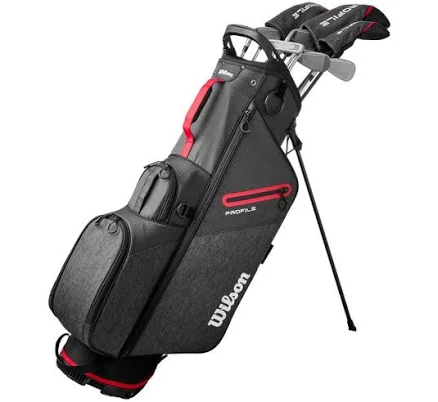
- Steel clubheads, graphite shafts, rubber grips
- We found no PFAS statement from the brand
- Graphite shaft resin degradation and fiber exposure
3 hazards checked on this product, all on its full breakdown.
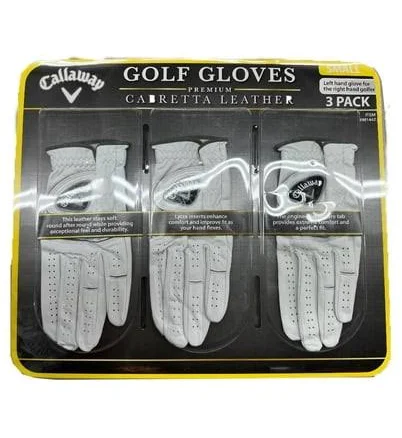
- Cabretta leather, likely tannin-tanned
- We found no PFAS statement from the brand
- Heavy metals
4 hazards checked on this product, all on its full breakdown.
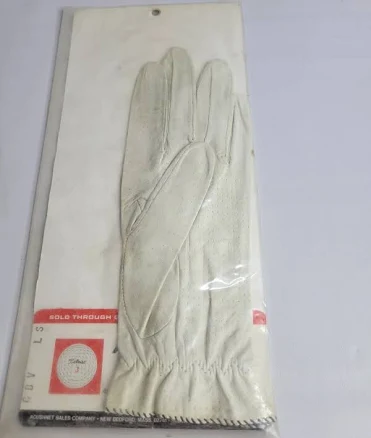
- leather or synthetic leather with cotton lining
- We found no PFAS statement from the brand
- Heavy metals
4 hazards checked on this product, all on its full breakdown.
Find an alternative on AmazonMore golf balls & equipment grades
How we score, every product runs through the same public 0-100 rubric based on materials, coatings, brand disclosure, lab findings, and recalls. See the full methodology → Spotted a mistake? Report an error.