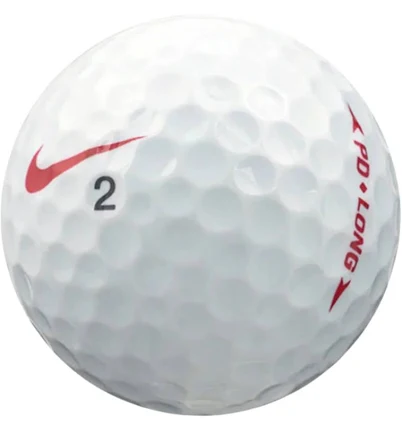
Nike PD Long
Limited public PFAS info on golf balls. Avoid if concerned.
Synthetic polymer construction with no public PFAS disclosure from Nike. Typical golf balls may use Teflon-family coating in covers without lab confirmation.
The better-graded swap
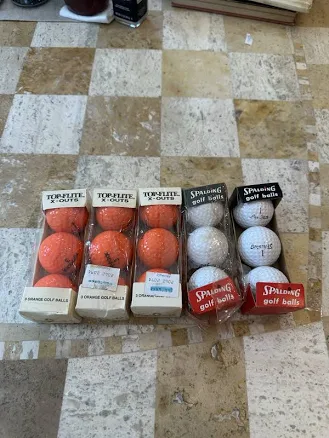
Spalding
Spalding 5x3 Set of Golf Balls 1980 Box
85/100 safety
Same rubric that flunked this product. The swap earned Excellent.
Still want this one anyway? Check the price on Amazon. We’d swap it.
Material
Golf ball, synthetic polymer core/cover
Lab data
No public lab test
You may also be interested in
Top-graded picks in the categories readers replace first, every one scored on the same rubric.

- polypropylene filter housing, carbon/sediment cartridge
- We found no PFAS statement from the brand
- Bacterial growth in spent cartridges
3 hazards checked on this product, all on its full breakdown.

Aquasure
Premier Series 75 GPD Under Sink Reverse Osmosis Water Filtration System
- RO membrane, carbon filters, stainless steel housing
- We found no PFAS statement from the brand
- Bacterial and microbial growth in housing and filters
4 hazards checked on this product, all on its full breakdown.

Avocado
Vegan Mattress
- organic cotton, natural latex, coconut coir, recycled steel coils
- The brand calls it PFAS-free, which we have not verified
- Heavy metals
2 hazards checked on this product, all on its full breakdown.
What Nike PD Long is made of, ingredients and materials
The Nike PD Long uses a synthetic polymer core (likely a ionomeric or rubber-based compound) wrapped in a synthetic cover material, typically polyurethane or similar elastomer. Golf balls are designed for impact resistance and durability, so their polymer matrices are heavily cross-linked to withstand compression and abrasion. During normal play, these materials do not leach into skin or food; chemical release risk is minimal unless the ball degrades severely or is heated to very high temperatures.
What’s concerning
Category baseline
The starting point for this type of product, before anything specific to this product is counted.
No PFAS disclosure
No public statement from the brand about PFAS in this product.
Waterproof / stain-resistant treatment
Water-repellent coating treatments have historically used PFAS.
PFAS
Golf balls often use Teflon-family coating or PFAS-containing top coatings for water resistance and durability. Nike has not disclosed PFAS content for the PD Long; the 40/100 PFAS grade reflects this opacity rather than confirmed presence.
Source, ATSDR ↗Polymer degradation and microplastic shed
Extended outdoor use and UV exposure degrade synthetic covers, potentially releasing microplastic particles during play. This is a material-class risk across all golf balls, not Nike-specific, but occurs gradually over hundreds of rounds.
What’s reassuring
Heavy metals
Golf ball surface printing and coloration use industrial inks and dyes. No documented cases of lead or cadmium contamination in Nike PD Long or peer brands have been reported; brief skin contact during play poses minimal risk.
Source, FDA ↗Volatile organic compound (VOC) off-gassing
New golf balls may emit trace VOCs during manufacturing off-gassing for the first few days of storage. This dissipates rapidly and is not a concern for normal retail purchase and use.
Allergen risk from synthetic polymers
Synthetic elastomers used in golf ball covers are non-allergenic in the general population. No documented contact dermatitis cases linked to Nike PD Long or similar balls are on record.
How is this PFAS grade calculated?
The brand's record and disclosure
Nike has faced scrutiny over manufacturing transparency and PFAS use in apparel and footwear, but has published limited specific data on golf ball chemistry. The company does not disclose PFAS status for the PD Long specifically. No product recalls or documented chemical safety incidents are on record for this golf ball model. Nike's silence on synthetic-polymer composition is typical for the golf equipment category, where proprietary blends are common.
How it compares in its category
Golf balls across major brands (Titleist, Callaway, TaylorMade, Bridgestone) all use similar synthetic polymer architectures with comparable transparency gaps. The PD Long is mid-market in terms of disclosed material information. Unlike apparel or water bottles, golf balls have no direct skin contact during normal use and are not heated or microwaved, reducing exposure pathways. Most hazard concerns in this category revolve around PFAS in performance coatings rather than core toxicity.
If you buy it
Store in a cool, dry place away from direct sunlight to slow polymer degradation and minimize any potential leaching from aged materials. Do not expose to temperatures above 140 degrees Fahrenheit (60 C). Replace balls if the cover develops deep cracks, cuts, or visible delamination, as damaged materials may release fragments during play. Wash hands after handling heavily used or visibly deteriorated balls, though chemical exposure during normal play is negligible.
What is not known about PFAS in this product?
- Basis
- Model estimate, 45% confidence, not a lab result
- Lab test
- None on record for this exact product
- Brand statement
- Nike has made a specific claim
Formulations change between production runs, so check the current label. How we grade.
What are the PFAS-free alternatives to Nike PD Long?
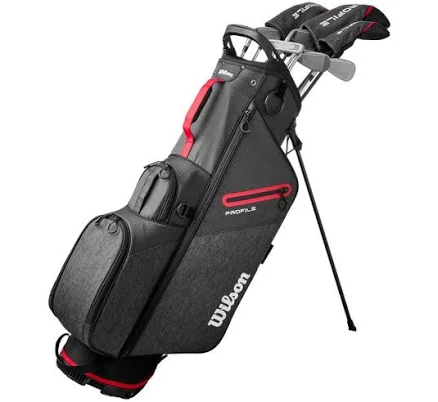
- Steel clubheads, graphite shafts, rubber grips
- We found no PFAS statement from the brand
- Graphite shaft resin degradation and fiber exposure
3 hazards checked on this product, all on its full breakdown.
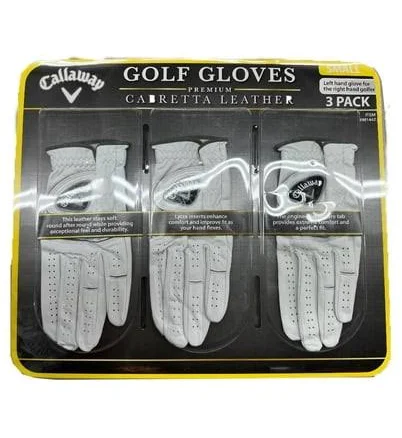
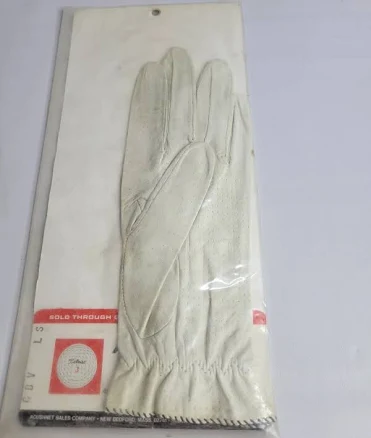
- Cabretta leather, likely tannin-tanned
- We found no PFAS statement from the brand
- Heavy metals
4 hazards checked on this product, all on its full breakdown.
- leather or synthetic leather with cotton lining
- We found no PFAS statement from the brand
- Heavy metals
4 hazards checked on this product, all on its full breakdown.
Find an alternative on AmazonMore golf balls & equipment grades
How we score, every product runs through the same public 0-100 rubric based on materials, coatings, brand disclosure, lab findings, and recalls. See the full methodology → Spotted a mistake? Report an error.