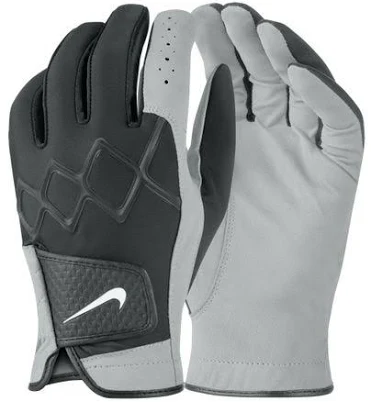
Nike All Weather Golf Gloves
Skip until Nike discloses water-resistant treatment chemistry.
Nike does not publicly disclose PFAS status or water-repellent coating treatment details for this glove. Water-resistant coatings on apparel commonly contain legacy PFAS; without brand transparency, risk stays uncertain.
The better-graded swap
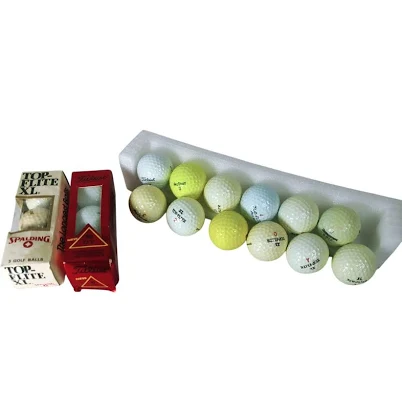
Spalding
Vintage Spalding & Titleist Golf Balls Assortment of 18
85/100 safety
Same rubric that flunked this product. The swap earned Excellent.
Still want this one anyway? Check the price on Amazon. We’d swap it.
Material
synthetic leather or polyurethane with water-resistant treatment
Lab data
No public lab test
You may also be interested in
Top-graded picks in the categories readers replace first, every one scored on the same rubric.

- polypropylene filter housing, carbon/sediment cartridge
- We found no PFAS statement from the brand
- Bacterial growth in spent cartridges
3 hazards checked on this product, all on its full breakdown.

Aquasure
Premier Series 75 GPD Under Sink Reverse Osmosis Water Filtration System
- RO membrane, carbon filters, stainless steel housing
- We found no PFAS statement from the brand
- Bacterial and microbial growth in housing and filters
4 hazards checked on this product, all on its full breakdown.

Avocado
Vegan Mattress
- organic cotton, natural latex, coconut coir, recycled steel coils
- The brand calls it PFAS-free, which we have not verified
- Heavy metals
2 hazards checked on this product, all on its full breakdown.
What Nike All Weather Golf Gloves is made of, ingredients and materials
Nike All Weather Golf Gloves are constructed from synthetic leather or polyurethane with a water-resistant surface treatment. Polyurethane itself is stable when cured, but the manufacturing process often involves formaldehyde-based resins and dyes (particularly azo dyes for coloring) that can off-gas or migrate during initial use and storage. Water-resistant coatings applied to the material are the primary unknown here, Nike does not publicly disclose whether these use PFAS-based hydrophobic chemistry or alternative treatments, which is a significant transparency gap for a premium product.
What’s concerning
Category baseline
The starting point for this type of product, before anything specific to this product is counted.
No PFAS disclosure
No public statement from the brand about PFAS in this product.
Waterproof / stain-resistant treatment
Water-repellent coating treatments have historically used PFAS.
Formaldehyde / VOCs
Synthetic leather and polyurethane textiles commonly retain trace formaldehyde from manufacturing resins. Nike does not test or certify these products under OEKO-TEX, which would limit formaldehyde to 30 ppm (apparel). Initial off-gassing is typical but typically subsides after brief air exposure.
Source, ATSDR ↗Azo dyes and color transfer
Black, white, and multi-color golf gloves routinely use azo-based dyes. While EU and most major markets restrict harmful azo dyes (those cleaving to carcinogenic amines), Nike products are generally compliant with these standards. Risk is low for hand-worn gloves but color bleeding onto light-colored clothing during wet conditions is a cosmetic rather than health issue.
Polyurethane degradation and leachates
Polyurethane breaks down over time when exposed to UV, moisture, and heat, potentially releasing unreacted monomers and plasticizers. Golf gloves are hand-worn and not ingested, limiting direct exposure risk, but degrading material in sweaty conditions (hand perspiration) may increase dermal contact with breakdown products.
PFAS
Nike has not publicly identified whether the water-resistant finish uses PFAS-based fluorocarbon coatings, siloxanes, or non-fluorine alternatives. This lack of disclosure is a documented transparency gap for performance apparel and prevents full hazard assessment.
Source, ATSDR ↗What’s reassuring
Antimony in polyester blend components
If glove seams or reinforcements use polyester thread, antimony trioxide catalysts may be present at trace levels. No specific antimony contamination has been reported in Nike golf gloves, and hand-contact exposure is minimal.
How is this PFAS grade calculated?
The brand's record and disclosure
Nike has faced scrutiny over supply-chain chemical safety and environmental impact but does not systematically publish ingredient lists or water-treatment chemistry for apparel. The brand has not earned third-party certifications like OEKO-TEX for chemical compliance on most golf products. No major recalls or health incidents specific to Nike golf gloves have been documented in public databases, but the brand's silence on PFAS and other restricted chemicals in performance textiles is noteworthy given competitor transparency efforts.
How it compares in its category
Golf gloves occupy a niche where water-resistance is a selling feature, making PFAS-treated synthetic leather common across brands (Callaway, Titleist, FootJoy). Nike's premium positioning does not translate to superior chemical transparency compared to cheaper alternatives. Some brands now offer PFAS-free or OEKO-TEX certified gloves, but they are less common in the golf segment than in mainstream athletic wear.
If you buy it
Wear new gloves outdoors in fresh air for 24-48 hours before first use to allow initial off-gassing of residual formaldehyde and volatile organics. Hand-wash in cool water and air-dry; avoid prolonged heat exposure (direct sun, dryers) which can degrade polyurethane and accelerate chemical leaching. Replace when seams separate or material becomes stiff or cracked, typically 1-2 years with regular use. Store in a cool, dry place away from direct sunlight to minimize degradation.
What is not known about PFAS in this product?
- Basis
- Model estimate, 55% confidence, not a lab result
- Lab test
- None on record for this exact product
- Brand statement
- Nike has made a specific claim
Formulations change between production runs, so check the current label. How we grade.
What are the PFAS-free alternatives to Nike All Weather Golf Gloves?
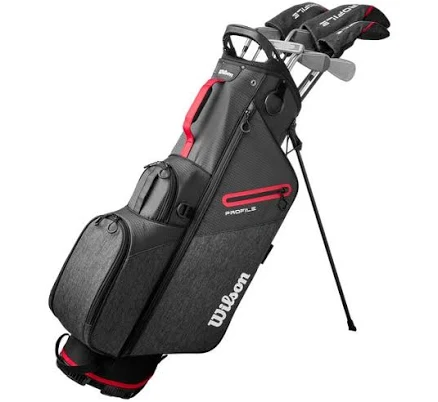
- Steel clubheads, graphite shafts, rubber grips
- We found no PFAS statement from the brand
- Graphite shaft resin degradation and fiber exposure
3 hazards checked on this product, all on its full breakdown.
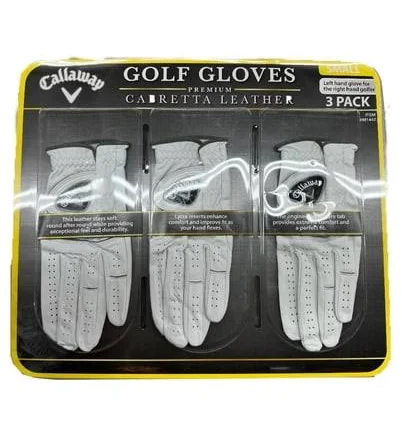
- Cabretta leather, likely tannin-tanned
- We found no PFAS statement from the brand
- Heavy metals
4 hazards checked on this product, all on its full breakdown.
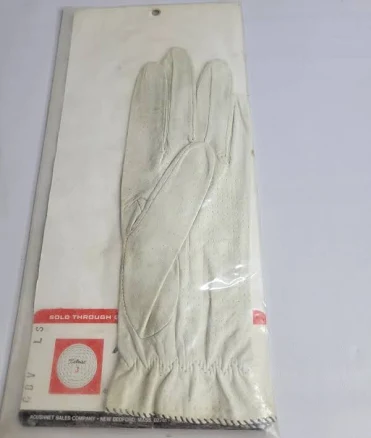
- leather or synthetic leather with cotton lining
- We found no PFAS statement from the brand
- Heavy metals
4 hazards checked on this product, all on its full breakdown.
Find an alternative on AmazonMore golf balls & equipment grades
How we score, every product runs through the same public 0-100 rubric based on materials, coatings, brand disclosure, lab findings, and recalls. See the full methodology → Spotted a mistake? Report an error.