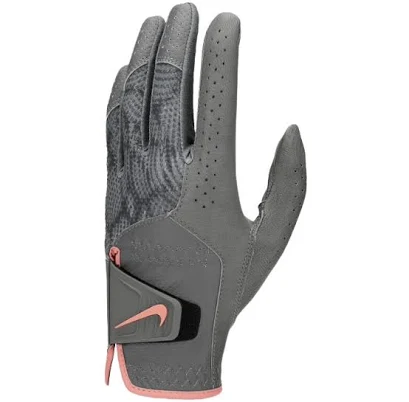
Nike Golf MLH Tech Extreme VIII Glove
Golf glove with water-repellent coating. Nike provides no PFAS information.
Golf gloves typically receive water-resistant durable treatments, often PFAS-based. Nike has not disclosed its PFAS use or avoidance for this product.
The better-graded swap
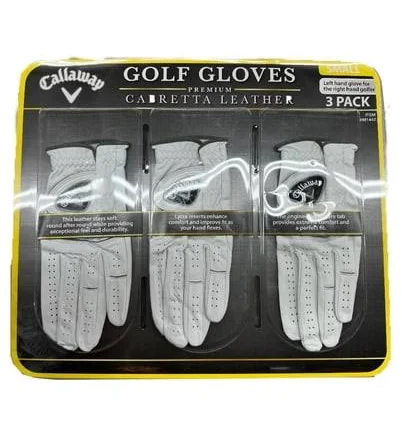
Callaway
Callaway Golf Gloves 3-Pack Premium Cabretta Leather
85/100 safety
Same rubric that flunked this product. The swap earned Excellent.
Still want this one anyway? Check the price on Amazon. We’d swap it.
Material
synthetic leather/polyurethane with water-resistant treatment
Lab data
No public lab test
You may also be interested in
Top-graded picks in the categories readers replace first, every one scored on the same rubric.

- polypropylene filter housing, carbon/sediment cartridge
- We found no PFAS statement from the brand
- Bacterial growth in spent cartridges
3 hazards checked on this product, all on its full breakdown.

Aquasure
Premier Series 75 GPD Under Sink Reverse Osmosis Water Filtration System
- RO membrane, carbon filters, stainless steel housing
- We found no PFAS statement from the brand
- Bacterial and microbial growth in housing and filters
4 hazards checked on this product, all on its full breakdown.

Avocado
Vegan Mattress
- organic cotton, natural latex, coconut coir, recycled steel coils
- The brand calls it PFAS-free, which we have not verified
- Heavy metals
2 hazards checked on this product, all on its full breakdown.
What Nike Golf MLH Tech Extreme VIII Glove is made of, ingredients and materials
This glove uses synthetic leather (polyurethane) rather than genuine leather, paired with a water-resistant (water-repellent coating) finish. Polyurethane itself is stable in normal use, but the water-repellent coating applied to achieve water repellency is the concern. Nike does not publicly specify whether their water-repellent coating treatment uses fluorinated compounds (PFAS) or newer fluorine-free alternatives. The glove is designed for repeated hand contact in warm, humid conditions, which theoretically could increase any leaching risk from coating additives.
What’s concerning
No PFAS disclosure
No public statement from the brand about PFAS in this product.
Category baseline
The starting point for this type of product, before anything specific to this product is counted.
Waterproof / stain-resistant treatment
Water-repellent coating treatments have historically used PFAS.
Fluorinated water repellent (water-repellent coating) coating composition
Nike does not disclose whether the water-repellent coating treatment contains PFAS or fluorine-free alternatives. Hand contact during play and washing creates minor exposure pathway if fluorinated compounds are present. No test data exists for this specific glove model in public records.
What’s reassuring
Polyurethane degradation and additives
Polyurethane itself does not leach known hazardous additives (heavy metals, phthalates, azo dyes) under normal use conditions. Coating breakdown over time is a durability issue rather than a direct safety hazard, though it may signal loss of protective treatment.
Formaldehyde / VOCs
No documented cases of formaldehyde-releasing finishes in polyurethane golf gloves. Modern synthetic leather production does not typically rely on formaldehyde-based resins, and Nike's manufacturing standards would likely exclude high-formaldehyde coatings for hand-contact products.
Source, ATSDR ↗Azo dyes in colored synthetic materials
Polyurethane synthetic leather is typically dyed with modern, non-azo colorants in premium athletic brands. No public health warnings or recalls exist for Nike golf gloves related to restricted azo dyes.
Heavy metals
Polyurethane and polyester synthetics in athletic gloves are not routinely contaminated with antimony at levels of concern. Nike does not cite this hazard in product safety disclosures, and no third-party testing has flagged this glove for heavy metals.
Source, FDA ↗How is this PFAS grade calculated?
The brand's record and disclosure
Nike has faced scrutiny over PFAS in textile coatings and footwear but has not published specific composition data for golf glove treatments. The company committed to reducing PFAS in apparel by 2030 but remains largely silent on current formulations across product lines. No formal recalls or safety violations are documented for this specific glove model. Transparency on water-repellent coating chemistry is not standard across the athletic apparel industry, and Nike is not an outlier in withholding this detail.
How it compares in its category
Golf gloves in this performance tier typically use synthetic leather with water-resistant coatings; genuine leather alternatives avoid synthetic polymer coatings but are less durable and more costly. Many competitors (Titleist, Callaway, TaylorMade) similarly withhold detailed water-repellent coating composition information. Some manufacturers now advertise fluorine-free water-repellent coating, which is a transparent marketing point; Nike does not emphasize this for this model, suggesting potential PFAS use. The glove is mid-market in price and durability expectations.
If you buy it
Wash gloves in cool water with mild soap after use to reduce any potential coating migration from sweat and heat exposure. Avoid machine drying or high heat, which can degrade the polyurethane base and accelerate coating breakdown. Replace after 12-18 months of regular play or when grip deteriorates, as this signals material fatigue. If water-repellent coating effectiveness fades, do not retreat at home with commercial sprays; retire the glove instead to avoid uncontrolled chemical reapplication.
What is not known about PFAS in this product?
- Basis
- Model estimate, 45% confidence, not a lab result
- Lab test
- None on record for this exact product
- Brand statement
- Nike has made a specific claim
Formulations change between production runs, so check the current label. How we grade.
What are the PFAS-free alternatives to Nike Golf MLH Tech Extreme VIII Glove?
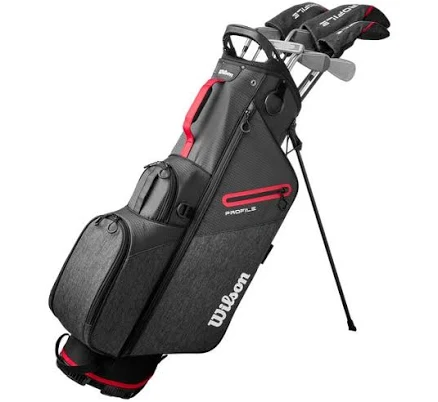
- Steel clubheads, graphite shafts, rubber grips
- We found no PFAS statement from the brand
- Graphite shaft resin degradation and fiber exposure
3 hazards checked on this product, all on its full breakdown.
- Cabretta leather, likely tannin-tanned
- We found no PFAS statement from the brand
- Heavy metals
4 hazards checked on this product, all on its full breakdown.
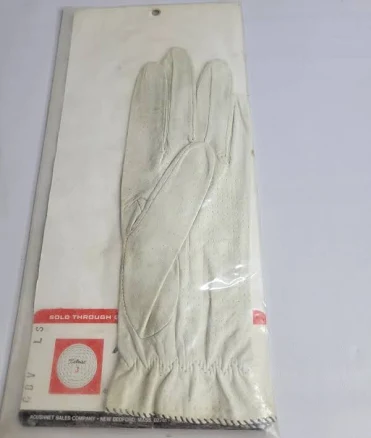
- leather or synthetic leather with cotton lining
- We found no PFAS statement from the brand
- Heavy metals
4 hazards checked on this product, all on its full breakdown.
Find an alternative on AmazonMore golf balls & equipment grades
How we score, every product runs through the same public 0-100 rubric based on materials, coatings, brand disclosure, lab findings, and recalls. See the full methodology → Spotted a mistake? Report an error.