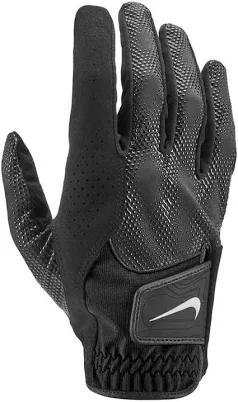
Nike Storm-FIT Golf Gloves
Golf gloves with water-repellent coating, PFAS status undisclosed.
Nike Storm-FIT gloves likely feature water-repellent coating finish typical of performance golf gear, which often uses PFAS, and Nike hasn't disclosed this.
The better-graded swap
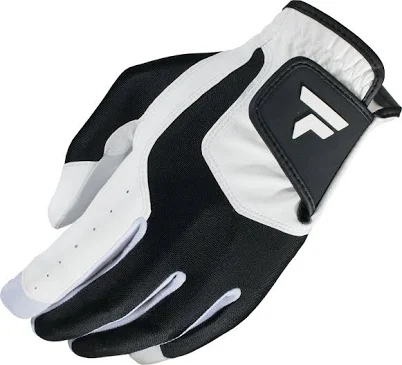
Top Flite
Top Flite Men's Golf Glove
85/100 safety
Same rubric that flunked this product. The swap earned Excellent.
Still want this one anyway? Check the price on Amazon. We’d swap it.
Material
synthetic textile with water-repellent coating (water-repellent coating) treatment
Lab data
No public lab test
You may also be interested in
Top-graded picks in the categories readers replace first, every one scored on the same rubric.

- polypropylene filter housing, carbon/sediment cartridge
- We found no PFAS statement from the brand
- Bacterial growth in spent cartridges
3 hazards checked on this product, all on its full breakdown.

Aquasure
Premier Series 75 GPD Under Sink Reverse Osmosis Water Filtration System
- RO membrane, carbon filters, stainless steel housing
- We found no PFAS statement from the brand
- Bacterial and microbial growth in housing and filters
4 hazards checked on this product, all on its full breakdown.

Avocado
Vegan Mattress
- organic cotton, natural latex, coconut coir, recycled steel coils
- The brand calls it PFAS-free, which we have not verified
- Heavy metals
2 hazards checked on this product, all on its full breakdown.
What Nike Storm-FIT Golf Gloves is made of, ingredients and materials
Nike Storm-FIT Golf Gloves use synthetic textile (likely polyester or polyamide blend) treated with a water-repellent coating (water-repellent coating) coating to shed moisture on the course. water-repellent coating finishes historically relied on PFOA/PFAS chemistry; Nike has not publicly disclosed whether this glove uses legacy or newer non-fluorinated repellent technology. The base synthetic fibers themselves present minimal inherent toxicity risk, but the surface treatment is the unknown variable.
What’s concerning
Category baseline
The starting point for this type of product, before anything specific to this product is counted.
No PFAS disclosure
No public statement from the brand about PFAS in this product.
Waterproof / stain-resistant treatment
Water-repellent coating treatments have historically used PFAS.
Antimony in polyester fiber
If the glove contains polyester (likely), antimony oxide may be present as a polymerization catalyst in the base resin. Levels in finished textile are typically <0.3% and migration to skin during normal use is minimal; washing before first use reduces any residual exposure.
Degradation of water-repellent coating over time and wash cycles
Water-repellent coatings degrade with laundering and UV exposure, potentially releasing micro-fragments of the coating material. No specific Nike glove failure data exists, but this is a known pattern across the water-repellent coating-treated textile category; regular inspection and replacement timing mitigate risk.
PFAS
Given Nike's 2025 phase-out deadline and current lack of public documentation, PFAS presence in this product cannot be ruled out. This hazard is scored separately at 20/100; the uncertainty itself is the primary non-PFAS safety concern.
Source, ATSDR ↗What’s reassuring
Formaldehyde / VOCs
No public reports of formaldehyde-based dyes or finishes in Nike Storm-FIT gloves specifically. Standard synthetic sports glove production typically avoids heavy formaldehyde use, though trace levels in sizing agents are possible in unlabeled products.
Source, ATSDR ↗Heavy metals
Nike's apparel lines generally conform to Restricted Substances Lists and Oeko-Tex-adjacent standards. No known contamination issues documented for this glove model, and black/navy colorways pose lower dye-leaching risk than bright synthetic dyes.
Source, FDA ↗How is this PFAS grade calculated?
The brand's record and disclosure
Nike committed in 2020 to phasing out long-chain PFAS in apparel and footwear by 2025, but has not published a detailed product-by-product breakdown or third-party test results for specific items like these gloves. The company's silence on Storm-FIT treatment chemistry makes it impossible to verify compliance. No product-specific recalls or safety warnings have been issued for this glove model.
How it compares in its category
Golf gloves in this price/performance tier typically use synthetic leather or textile with water-repellent coatings; most major brands (Callaway, Titleist, TaylorMade) do not disclose water-repellent coating chemistry either. Uncoated leather gloves avoid the water-repellent coating uncertainty but offer less water protection. Nike's market position and scale suggest higher likelihood of reformulation toward PFAS-free options, but lack of transparency prevents confirmation.
If you buy it
Wash in cool water with mild detergent to avoid breaking down the water-repellent coating prematurely; do not bleach or use fabric softener. Avoid high-heat drying; air dry or use low heat. Replace every 1-2 seasons or when grip deteriorates or coating visibly peels. Store dry in a breathable bag, not plastic, to prevent mildew and reduce off-gassing of any residual treatment chemicals.
What is not known about PFAS in this product?
- Basis
- Model estimate, 35% confidence, not a lab result
- Lab test
- None on record for this exact product
- Brand statement
- Nike has made a specific claim
Formulations change between production runs, so check the current label. How we grade.
What are the PFAS-free alternatives to Nike Storm-FIT Golf Gloves?
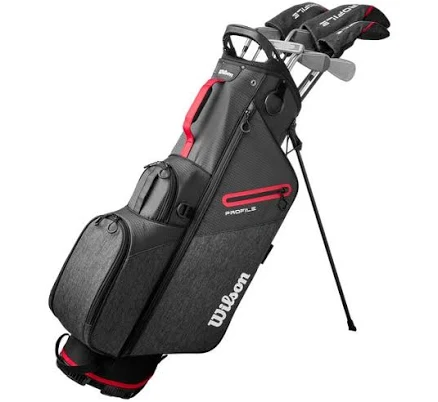
- Steel clubheads, graphite shafts, rubber grips
- We found no PFAS statement from the brand
- Graphite shaft resin degradation and fiber exposure
3 hazards checked on this product, all on its full breakdown.
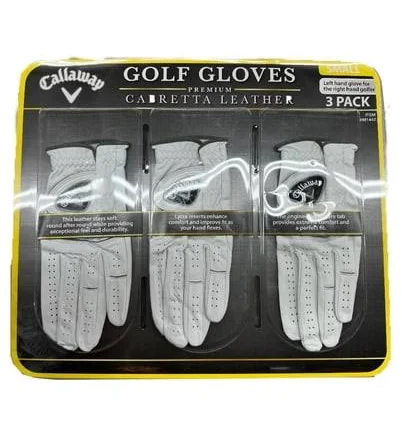
- Cabretta leather, likely tannin-tanned
- We found no PFAS statement from the brand
- Heavy metals
4 hazards checked on this product, all on its full breakdown.
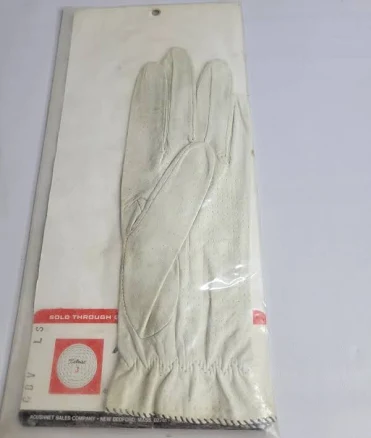
- leather or synthetic leather with cotton lining
- We found no PFAS statement from the brand
- Heavy metals
4 hazards checked on this product, all on its full breakdown.
Find an alternative on AmazonMore golf balls & equipment grades
How we score, every product runs through the same public 0-100 rubric based on materials, coatings, brand disclosure, lab findings, and recalls. See the full methodology → Spotted a mistake? Report an error.