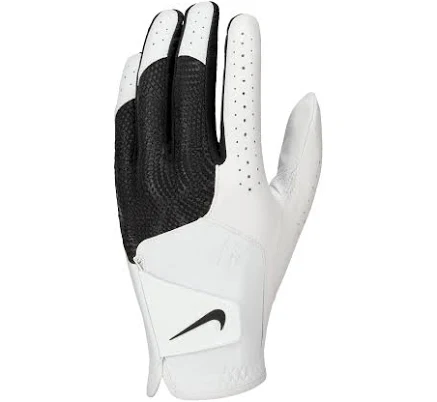
Nike Tech Extreme VIII Golf Glove
Golf glove waterproofing likely contains PFAS, Nike discloses nothing.
Golf gloves typically receive water-repellent coating treatments commonly using PFAS, and Nike provides no transparency on formulation.
The better-graded swap
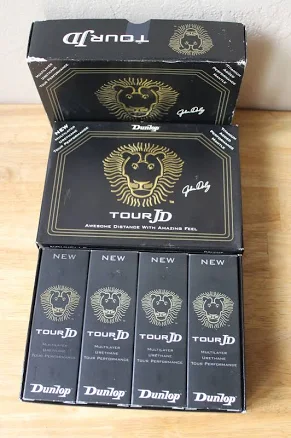
Dunlop
Dunlop Jd Tour Golf Balls In The Original Package 2 Dozen Urethane
85/100 safety
Same rubric that flunked this product. The swap earned Excellent.
Still want this one anyway? Check the price on Amazon. We’d swap it.
Material
synthetic leather/textile with water-repellent coating finish
Lab data
No public lab test
You may also be interested in
Top-graded picks in the categories readers replace first, every one scored on the same rubric.

- polypropylene filter housing, carbon/sediment cartridge
- We found no PFAS statement from the brand
- Bacterial growth in spent cartridges
3 hazards checked on this product, all on its full breakdown.

Aquasure
Premier Series 75 GPD Under Sink Reverse Osmosis Water Filtration System
- RO membrane, carbon filters, stainless steel housing
- We found no PFAS statement from the brand
- Bacterial and microbial growth in housing and filters
4 hazards checked on this product, all on its full breakdown.

Avocado
Vegan Mattress
- organic cotton, natural latex, coconut coir, recycled steel coils
- The brand calls it PFAS-free, which we have not verified
- Heavy metals
2 hazards checked on this product, all on its full breakdown.
What Nike Tech Extreme VIII Golf Glove is made of, ingredients and materials
The Nike Tech Extreme VIII uses synthetic leather (likely polyurethane or PVC) over a textile base with a water-repellent coating (water-repellent coating) finish. That water-repellent coating is the waterproofing layer, and historically, most golf glove water-repellent coating treatments relied on fluorinated compounds (PFAS) to achieve water shedding without bulking up the glove. The synthetic leather backing reduces but does not eliminate potential leaching of plasticizers or degradation byproducts, especially with sweat and repeated washing.
What’s concerning
Category baseline
The starting point for this type of product, before anything specific to this product is counted.
No PFAS disclosure
No public statement from the brand about PFAS in this product.
Waterproof / stain-resistant treatment
Water-repellent coating treatments have historically used PFAS.
Plasticizer leaching from synthetic leather (PVC, polyurethane)
If the synthetic backing uses PVC, it may contain phthalates or alternative plasticizers to maintain flexibility. Sweat and warmth (18+ holes in sun) can accelerate leaching onto skin. Polyurethane is lower risk but can degrade and leach degradation byproducts. No specific test data available for Nike Tech Extreme VIII; risk is present but not quantified.
Antimony in synthetic fibers (if polyester blend)
Golf glove textiles often include polyester for durability. Antimony trioxide is sometimes used as a polyester catalyst and can migrate in trace amounts with heat and moisture. Nike does not disclose fiber composition or antimony levels for this glove. Skin contact over extended wear creates a minor long-term exposure pathway.
Coating degradation and microfiber shedding over time
Synthetic leather gloves shed microfibers when the coating or top layer wears, especially at stress points (palm seams, finger tips). This is a known issue in polyurethane and PVC apparel with heavy use. No specific Nike recall, but complaint reports exist for similar glove products. Shedding increases with age and washing; disposed microfibers may enter waterways.
What’s reassuring
Formaldehyde / VOCs
No recalls or reports specific to Nike Tech Extreme VIII golf gloves. Polyurethane or PVC synthetic leather typically requires adhesives and resin cross-linkers; if used, off-gassing is usually minimal in finished form, but direct skin contact over hours (e.g., during long rounds) is a minor pathway if formaldehyde-releasers are present. No public test data available for this product.
Source, ATSDR ↗Azo dyes in textiles
Golf gloves are usually dyed with standard disperse or acid dyes; azo dyes are not known to be problematic in this application. No established safety concern or recall history for Nike or this product line. Risk is present only if dyes contain restricted amines, which would trigger EU/China import restrictions, unlikely for a major brand.
How is this PFAS grade calculated?
The brand's record and disclosure
Nike has faced sustained criticism for opacity on PFAS use in apparel and footwear, particularly in water-resistant product lines. The company has not published a timeline for PFAS phase-out in golf gloves or confirmed whether Tech Extreme VIII uses PFAS-free water-repellent coating alternatives. This silence contrasts with competitors (e.g., some Callaway and Titleist glove lines) that have begun disclosing or switching to non-fluorinated water treatments. Nike's general apparel transparency remains below industry leaders on chemical inputs.
How it compares in its category
Premium golf gloves (Titleist, Callaway, FootJoy) compete on fit and durability; most premium lines still use PFAS-based or unknown water-repellent coating finishes. Some newer brands advertise PFAS-free waterproofing using wax or silicone-based treatments, though durability data is limited. The Nike Tech Extreme VIII is mid-to-premium priced and known for grip retention and sweat absorption, not uniquely risky, but not ahead of the category in chemical transparency.
If you buy it
Wash in cool water with mild soap; avoid prolonged soaking or high heat, which accelerates coating and synthetic leather degradation. Replace when grip slips or the leather cracks, typically 12-24 months for frequent golfers. Store dry in a cool place; UV exposure and moisture will degrade the water-repellent coating and synthetic substrate. If concerned about PFAS exposure, contact Nike directly to ask whether this glove uses fluorinated or non-fluorinated water treatments, silence warrants skepticism.
What is not known about PFAS in this product?
- Basis
- Model estimate, 45% confidence, not a lab result
- Lab test
- None on record for this exact product
- Brand statement
- Nike has made a specific claim
Formulations change between production runs, so check the current label. How we grade.
What are the PFAS-free alternatives to Nike Tech Extreme VIII Golf Glove?
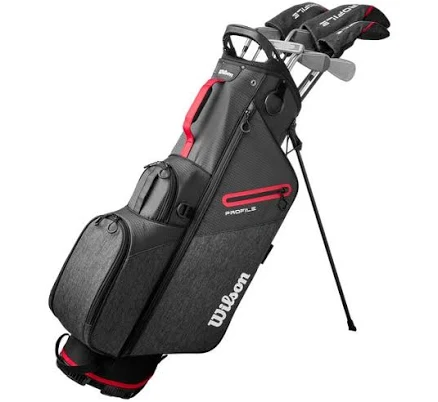
- Steel clubheads, graphite shafts, rubber grips
- We found no PFAS statement from the brand
- Graphite shaft resin degradation and fiber exposure
3 hazards checked on this product, all on its full breakdown.
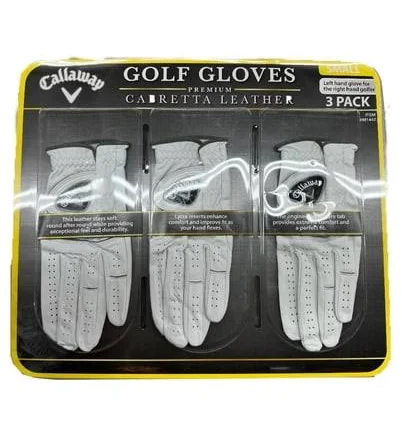
- Cabretta leather, likely tannin-tanned
- We found no PFAS statement from the brand
- Heavy metals
4 hazards checked on this product, all on its full breakdown.
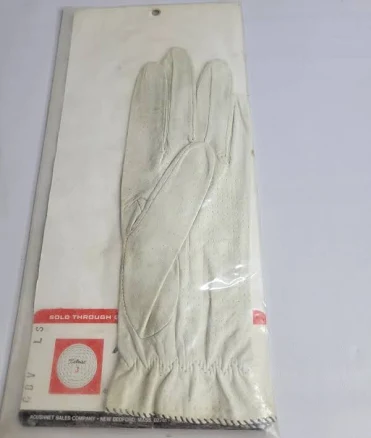
- leather or synthetic leather with cotton lining
- We found no PFAS statement from the brand
- Heavy metals
4 hazards checked on this product, all on its full breakdown.
Find an alternative on AmazonMore golf balls & equipment grades
How we score, every product runs through the same public 0-100 rubric based on materials, coatings, brand disclosure, lab findings, and recalls. See the full methodology → Spotted a mistake? Report an error.