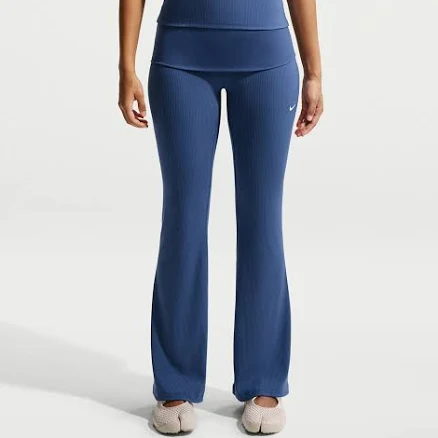
Nike Women's Chill Knit Mid-Rise Ribbed Tights
Lower concern. Nylon/polyester knit with no coating on record.
This ribbed knit tight has no waterproofing or stain-resistant coating disclosed. Nike has no PFAS statement on record for this product.
Still want this one anyway? Check the price on Amazon. We’d swap it.
Material
Nylon/polyester knit blend, no waterproofing or coating disclosed
Lab data
No public lab test
You may also be interested in
Top-graded picks in the categories readers replace first, every one scored on the same rubric.

- polypropylene filter housing, carbon/sediment cartridge
- We found no PFAS statement from the brand
- Bacterial growth in spent cartridges
3 hazards checked on this product, all on its full breakdown.

Aquasure
Premier Series 75 GPD Under Sink Reverse Osmosis Water Filtration System
- RO membrane, carbon filters, stainless steel housing
- We found no PFAS statement from the brand
- Bacterial and microbial growth in housing and filters
4 hazards checked on this product, all on its full breakdown.

Avocado
Vegan Mattress
- organic cotton, natural latex, coconut coir, recycled steel coils
- The brand calls it PFAS-free, which we have not verified
- Heavy metals
2 hazards checked on this product, all on its full breakdown.
What Nike Women's Chill Knit Ribbed Tights is made of, ingredients and materials
These tights are a nylon-polyester blend knit, a common pairing in athletic wear chosen for stretch, durability, and moisture management. Unlike coated or waterproofed textiles, this uncoated knit has a lower chemical footprint because it skips the fluorinated water-repellent treatments that introduce persistent PFAS. The blend itself is stable in normal use; neither nylon nor polyester leaches significantly into skin at body temperature during wear.
What’s concerning
Category baseline
The starting point for this type of product, before anything specific to this product is counted.
No PFAS disclosure
No public statement from the brand about PFAS in this product.
Formaldehyde / VOCs
Athletic knits may use formaldehyde-releasing resins in dyeing or finishing to set colour and prevent shrinkage. Nike's RSL testing should catch excess, but specific residue levels are not published for this item. A short initial rinse before first wear minimises any inhalation or skin contact risk.
Source, ATSDR ↗Heavy metals
Polyester and nylon are typically dyed with reactive or disperse dyes; azo dyes (which can release carcinogenic amines) are restricted under Nike's RSL but not independently verified here. Heavy metals (lead, cadmium) in dyes are similarly regulated but not transparently tested for this specific SKU.
Source, FDA ↗Microfibre shedding (synthetic textile degradation)
Nylon and polyester knits shed microfibres during washing and wear, a documented environmental and potential inhalation concern. This product's microfibre load is typical for the material class and not higher than competitors, but shedding increases as the fabric degrades; replacement timelines matter.
Antimony in polyester
Polyester is often polymerised using antimony trioxide as a catalyst; residual antimony can be present at trace levels (typically <1 ppm in finished fibre). Direct skin contact during wear poses minimal risk, but no transparency on antimony levels is provided for this product.
Allergens from synthetic dyes and finishes
Individuals with sensitive skin may react to residual dyes, finish resins, or dye disperse agents; reactions are not common but possible, especially if tights are worn without an initial wash. People with known synthetic dye allergies should pre-wash before first wear.
What’s reassuring
Base material not linked to PFAS
The main material recorded for this product is not one associated with PFAS.
How is this PFAS grade calculated?
The brand's record and disclosure
Nike has faced scrutiny over transparency on chemical use in manufacturing but has not disclosed full fibre-to-product chemical details for this item. The brand signed the Restricted Substances List (RSL) compliance framework and performs heavy metal and formaldehyde testing as standard, but provides no public third-party certification for individual tights. No recalls or safety alerts are on record for this specific product line. Nike's silence on PFAS treatment here is consistent with the fact that untreated athletic knits typically receive no deliberate PFAS application.
How it compares in its category
Uncoated nylon-polyester athletic tights sit in the middle of the safety spectrum. They avoid the PFAS and coating-degradation risks of water-resistant or treated variants (common in premium compression or outdoor lines), but offer less specificity than brands like Patagonia or Allbirds that publish detailed material transparency reports. Most direct competitors (Adidas, Lululemon basics) use similar blends with comparable disclosure gaps.
If you buy it
Wash in cool water and dry flat or on low heat to preserve elasticity and avoid any polymer stress that could increase microfibre shedding over time. Do not bleach or use fabric softener, which can degrade the knit weave. Replace after visible pilling, seam separation, or loss of stretch (typically 40-60 wears), as degraded fabric is more likely to shed microfibres. No heat exposure during wear poses a risk; body temperature is well below the nylon or polyester degradation threshold.
What is not known about PFAS in this product?
- Basis
- Model estimate, 72% confidence, not a lab result
- Lab test
- None on record for this exact product
- Brand statement
- Nike has made a specific claim
Formulations change between production runs, so check the current label. How we grade.
More activewear grades
How we score, every product runs through the same public 0-100 rubric based on materials, coatings, brand disclosure, lab findings, and recalls. See the full methodology → Spotted a mistake? Report an error.