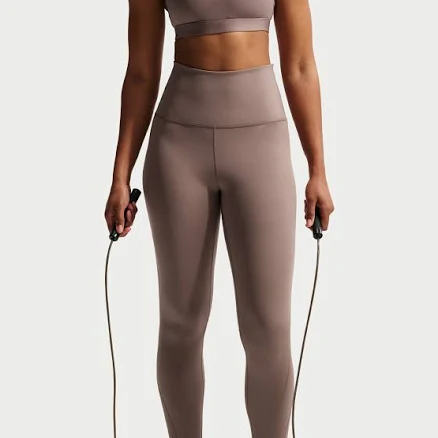
Nike Women's High-Waisted 7/8 Leggings
Lower concern, standard leggings without water-repellent treatment or disclosed coatings.
Nike's Women's High-Waisted 7/8 Leggings are a basic nylon and polyester knit with no publicized water-repellent coating, stain-resistant, or specialized coatings containing PFAS. Nike does not disclose PFAS in product marketing.
Still want this one anyway? Check the price on Amazon. We’d swap it.
Material
Nylon/polyester blend knit fabric, no water-repellent coating (water-repellent coating) coating specified
Lab data
No public lab test
You may also be interested in
Top-graded picks in the categories readers replace first, every one scored on the same rubric.

- polypropylene filter housing, carbon/sediment cartridge
- We found no PFAS statement from the brand
- Bacterial growth in spent cartridges
3 hazards checked on this product, all on its full breakdown.

Aquasure
Premier Series 75 GPD Under Sink Reverse Osmosis Water Filtration System
- RO membrane, carbon filters, stainless steel housing
- We found no PFAS statement from the brand
- Bacterial and microbial growth in housing and filters
4 hazards checked on this product, all on its full breakdown.

Avocado
Vegan Mattress
- organic cotton, natural latex, coconut coir, recycled steel coils
- The brand calls it PFAS-free, which we have not verified
- Heavy metals
2 hazards checked on this product, all on its full breakdown.
What Nike Women's High-Waisted 7/8 Leggings is made of, ingredients and materials
This product is a nylon and polyester knit blend, which are petroleum-derived synthetic fibers commonly used in athletic apparel for durability and moisture-wicking. Neither material is inherently hazardous, but polyester can shed microplastics during washing, especially with abrasion. The absence of a water-repellent coating (water-repellent coating) coating is actually a positive sign in this context, as water-repellent coating treatments historically relied on PFAS chemistry, though newer non-PFAS alternatives now exist.
What’s concerning
Category baseline
The starting point for this type of product, before anything specific to this product is counted.
No PFAS disclosure
No public statement from the brand about PFAS in this product.
Formaldehyde / VOCs
Nylon and polyester garments may contain formaldehyde-based resins used in dyeing and wrinkle-resistance finishes. Nike does not disclose residual formaldehyde levels for this product; well-made athletic garments typically have low levels, but new items can off-gas slightly on first wearing or washing.
Source, ATSDR ↗Microplastic shedding from synthetic fibers
Polyester and nylon knits inherently shed microplastics during washing and wear. This product offers no special anti-shed treatment. Cold water washing and avoiding the dryer reduces shedding rate.
Antimony in polyester
Antimony trioxide is a standard catalyst used in polyester production. Finished fabrics retain only trace residues, which are not bioavailable through skin contact; risk is minimal in normal use but relevant if fabric is burned or heavily degraded.
What’s reassuring
Base material not linked to PFAS
The main material recorded for this product is not one associated with PFAS.
Azo dyes
No recall or report of restricted azo dyes in Nike women's leggings. Standard manufacturing in major facilities typically complies with banned-azo restrictions, but Nike does not publish specific dye chemistry for this SKU.
Heavy metals
No reports of excessive lead, cadmium, or chromium in Nike athletic leggings. Industry standards and Nike's banned-substances list restrict heavy metals, and apparel-grade synthetic dyes are generally low-risk; specific testing data for this product is not publicly available.
Source, FDA ↗How is this PFAS grade calculated?
The brand's record and disclosure
Nike does not prominently disclose chemical composition or testing certifications for this product line. The brand has faced criticism for opacity on restricted substance limits and chemical use in dyeing and finishing, though it maintains a banned-chemicals list and participates in industry transparency initiatives like the Nike Manufacturing Map. No major recalls or chemical contamination incidents specific to Nike's standard leggings are on record.
How it compares in its category
Standard nylon/polyester blends dominate the budget-to-mid-range activewear market and are generally considered baseline for safety. Nike's pricing and brand recognition place this product in the mainstream segment; competitors often use identical or similar material compositions without additional certifications. Products with third-party certifications like OEKO-TEX or bluesign tend to offer more transparency, but are rarer and typically more expensive.
If you buy it
Wash in cold water and avoid high heat or the dryer to minimize microplastic shedding and preserve the fabric. Do not expose to direct high heat sources, as polyester can degrade or melt above 140°F (60°C). Replace if the fabric pills significantly or loses elasticity, as degraded fibers are more prone to microplastic release. Standard laundry practices (separate from towels, use mesh bag if desired) will minimize shed fibers entering waterways.
What is not known about PFAS in this product?
- Basis
- Model estimate, 72% confidence, not a lab result
- Lab test
- None on record for this exact product
- Brand statement
- Nike has made a specific claim
Formulations change between production runs, so check the current label. How we grade.
More activewear grades
How we score, every product runs through the same public 0-100 rubric based on materials, coatings, brand disclosure, lab findings, and recalls. See the full methodology → Spotted a mistake? Report an error.