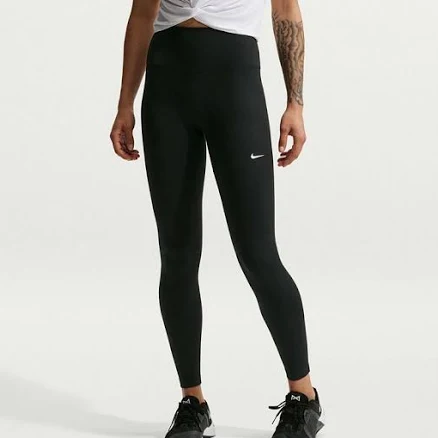
Nike Women's One Seamless Front High-Waisted Full-Length Leggings
Lower concern, standard athletic leggings with no water-repellent coating or special coatings flagged.
Nike does not publicly disclose PFAS use in this seamless leggings product. The fabric is a standard nylon and polyester blend with no advertised waterproof or fluorinated treatments.
Still want this one anyway? Check the price on Amazon. We’d swap it.
Material
Nylon/polyester blend, no documented waterproof or stain-resistant coating
Lab data
No public lab test
You may also be interested in
Top-graded picks in the categories readers replace first, every one scored on the same rubric.

- polypropylene filter housing, carbon/sediment cartridge
- We found no PFAS statement from the brand
- Bacterial growth in spent cartridges
3 hazards checked on this product, all on its full breakdown.

Aquasure
Premier Series 75 GPD Under Sink Reverse Osmosis Water Filtration System
- RO membrane, carbon filters, stainless steel housing
- We found no PFAS statement from the brand
- Bacterial and microbial growth in housing and filters
4 hazards checked on this product, all on its full breakdown.

Avocado
Vegan Mattress
- organic cotton, natural latex, coconut coir, recycled steel coils
- The brand calls it PFAS-free, which we have not verified
- Heavy metals
2 hazards checked on this product, all on its full breakdown.
What Nike Women's One Seamless Front Leggings is made of, ingredients and materials
These leggings are a nylon-polyester blend, two synthetic polymers chosen for stretch, durability, and moisture-wicking in activewear. Neither material inherently leaches hazardous chemicals during normal wear at body temperature. The blend has no documented waterproof or stain-resistant coating, meaning no fluorinated water repellents (PFAS) or other persistent finishes to degrade over time. The 'seamless' construction typically reduces dye exposure and chemical finishing footprint compared to traditionally sewn seams that require heavy dressing agents.
What’s concerning
Category baseline
The starting point for this type of product, before anything specific to this product is counted.
No PFAS disclosure
No public statement from the brand about PFAS in this product.
Formaldehyde / VOCs
Nylon-polyester blends often use formaldehyde-releasing resins for wrinkle resistance and shape retention during manufacturing. No disclosure available for this specific Nike product, but exposure risk is minimal post-purchase if garment is washed before wearing; off-gassing typically dissipates within first few wear-wash cycles.
Source, ATSDR ↗Heavy metals
Polyester and nylon accept synthetic azo dyes readily. Nike does not publicly specify azo-dye restrictions for this line. Skin contact risk from azo dye transfer is low under normal conditions, but prolonged contact with perspiration on sensitive skin could theoretically mobilize residual dye; pre-wash mitigates this.
Source, FDA ↗Microplastic shedding
All synthetic fiber textiles, including nylon-polyester blends, shed microfibers during washing and wear. This is a documented environmental hazard, not a direct wearer health risk. Washing in a microfiber-catch bag or filter reduces shedding; leggings with tighter weaves shed less than loose knits.
Allergic reaction to residual dyes or finishes
Individuals with sensitive skin or fragrance/dye sensitivity may experience contact dermatitis from unwashed synthetic apparel. Pre-washing in plain water eliminates most residual chemicals. No specific Nike-line recalls for allergic reactions are on record.
What’s reassuring
Base material not linked to PFAS
The main material recorded for this product is not one associated with PFAS.
Antimony in polyester
Antimony is a catalyst in polyester polymerization and typically remains bound in the polymer matrix. No evidence of leaching into sweat or skin contact toxicity from standard athletic polyester wear. This hazard is documented in research but not established as a practical risk for finished garments like these leggings.
How is this PFAS grade calculated?
The brand's record and disclosure
Nike publishes some environmental and chemical management data but does not publicly detail textile-specific chemical restrictions or third-party certifications for individual apparel lines like this legging. The brand has faced scrutiny on water and chemical use in manufacturing but has not issued specific recalls or compliance violations for standard athletic wear in recent years. No independent certifications (GOTS, OEKO-TEX, BLUESIGN) appear associated with this product line, though this is typical for mainstream athletic wear at this price point.
How it compares in its category
Uncoated nylon-polyester leggings have lower concern than garments with water-repellent coating finishes or antimicrobial treatments, but lack the rigorous certification of organic or OEKO-TEX-certified alternatives. Nike's market positioning and manufacturing scale mean quality control is standardized, though transparency on dye sources and formaldehyde-based finishing resins remains limited. Most mainstream athletic brands operate at this same disclosure level.
If you buy it
Wash in cool water before first wear to release residual dyes and finishes. Avoid high heat (no hot dryers or boiling); air dry to preserve elastic and prevent polymer degradation. Inspect seams and fabric annually; pilling or thinning indicates material fatigue and replacement timing. Do not use fabric softener or heavy bleach, which can compromise stretch fibers and coating integrity on any future athletic wear.
What is not known about PFAS in this product?
- Basis
- Model estimate, 72% confidence, not a lab result
- Lab test
- None on record for this exact product
- Brand statement
- Nike has made a specific claim
Formulations change between production runs, so check the current label. How we grade.
More activewear grades
How we score, every product runs through the same public 0-100 rubric based on materials, coatings, brand disclosure, lab findings, and recalls. See the full methodology → Spotted a mistake? Report an error.