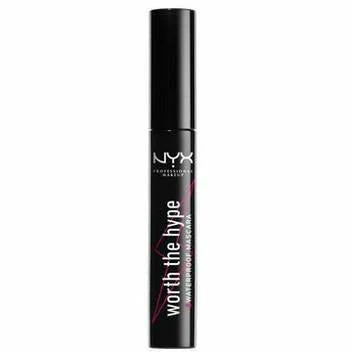
Nyx, Worth The Hype Mascara
No public PFAS data available; waterproof mascaras carry elevated concern.
NYX provides no PFAS transparency for this waterproof mascara. Waterproof cosmetics often use fluorinated polymers; independent testing unavailable for this product.
The better-graded swap
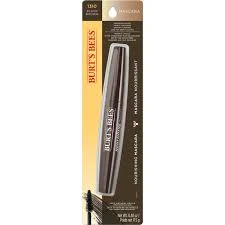
Burt's Bees
Burt's Bees 100% Natural Nourishing Mascara, Black Brown
75/100 safety
Same rubric that flunked this product. The swap earned Excellent.
Still want this one anyway? Check the price on Amazon. We’d swap it.
Material
pigments, film-formers, waterproofing agent
Brand disclosure
Brand is silent on PFAS
Lab data
No public lab test
You may also be interested in
Top-graded picks in the categories readers replace first, every one scored on the same rubric.

- polypropylene filter housing, carbon/sediment cartridge
- We found no PFAS statement from the brand
- Bacterial growth in spent cartridges
3 hazards checked on this product, all on its full breakdown.

Aquasure
Premier Series 75 GPD Under Sink Reverse Osmosis Water Filtration System
- RO membrane, carbon filters, stainless steel housing
- We found no PFAS statement from the brand
- Bacterial and microbial growth in housing and filters
4 hazards checked on this product, all on its full breakdown.

Avocado
Vegan Mattress
- organic cotton, natural latex, coconut coir, recycled steel coils
- The brand calls it PFAS-free, which we have not verified
- Heavy metals
2 hazards checked on this product, all on its full breakdown.
What Nyx, Worth The Hype Mascara is made of, ingredients and materials
Worth The Hype is a waterproof mascara formulated with film-forming polymers (likely acrylates or silicones), iron oxide pigments for color, and a waterproofing agent. Waterproof formulations typically require synthetic polymers and/or water-repellent additives to lock moisture out; these are where PFAS compounds often hide in cosmetics. NYX does not publicly disclose the specific waterproofing chemistry, which limits ability to assess PFAS presence independently.
What’s concerning
Waterproof / stain-resistant treatment
Water-repellent coating treatments have historically used PFAS.
Category baseline
The starting point for this type of product, before anything specific to this product is counted.
No PFAS disclosure
No public statement from the brand about PFAS in this product.
PFAS
Waterproof mascaras commonly rely on PFAS-containing polymers or silicone-based water repellents. NYX provides no public data on PFAS avoidance; undisclosed waterproofing chemistry creates material uncertainty.
Source, ATSDR ↗Heavy metals
Iron oxide pigments (CI 77491, CI 77492, CI 77499) are the primary colorants and generally well-regulated, but contamination with lead or cadmium during synthesis remains a theoretical risk if sourcing or QC is weak. No specific recalls for this product on record.
Source, FDA ↗Formaldehyde / VOCs
Some acrylate or resin-based film-formers in waterproof mascaras may release trace formaldehyde, particularly if preservatives include imidazolidinyl urea or DMDM hydantoin. NYX does not disclose preservative system publicly.
Source, ATSDR ↗Bacterial or fungal contamination in wet formula
Liquid mascaras can harbor microbial growth if stored warm or left open; this is a usage hazard rather than a manufacturing defect, but emphasizes importance of timely replacement and proper cap sealing.
Eye irritation from waterproofing film
Waterproof mascaras are inherently harder to remove and may cause mechanical irritation if removal is incomplete. Individuals with contact lens wear or sensitive eye conditions should patch-test before full use.
How is this PFAS grade calculated?
The brand's record and disclosure
NYX (owned by L'Oreal) does not publish detailed ingredient breakdowns beyond the required INCI list or provide public commitments to PFAS avoidance. The brand has no known major safety recalls for this product, but also offers minimal transparency on sourcing, testing, or chemical phase-out initiatives compared to some competitors. No third-party certifications (e.g., Clean Beauty or dermatologist-verified claims) are prominently marketed for this line.
How it compares in its category
Waterproof mascaras as a category carry inherent PFAS risk due to water-resistance requirements; Worth The Hype sits in the mainstream affordable bracket where disclosure tends to be lower than luxury or indie clean-beauty brands. Competitors like Thrive Causemetics or Glossier Lash Slick offer similar wear profiles with more explicit ingredient sourcing. NYX's pricing and availability make it popular, but not uniquely lower concern or more transparent than mid-range alternatives.
If you buy it
Use a dedicated makeup remover or oil-based cleanser to fully remove waterproof residue daily; incomplete removal can irritate the eye area and lash line. Replace the mascara every three months after opening to prevent bacterial or fungal growth in the wet formula. Discontinue immediately if redness, itching, or irritation occurs, especially around sensitive eye skin. Avoid during pregnancy if concerned about chemical exposure; discuss with your healthcare provider if you have persistent skin sensitivities.
What is not known about PFAS in this product?
- Basis
- Model estimate, 35% confidence, not a lab result
- Lab test
- None on record for this exact product
- Brand statement
- NYX has made none
Formulations change between production runs, so check the current label. How we grade.
What are the PFAS-free alternatives to Nyx, Worth The Hype Mascara?
- Wax, pigments, natural oils (typical mascara base)
- Fragrance allergens and undisclosed sensitizers
2 hazards checked on this product, all on its full breakdown.
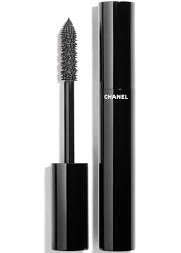
- pigments, waxes, polymers (unspecified)
- Lead
5 hazards checked on this product, all on its full breakdown.
Find an alternative on Amazon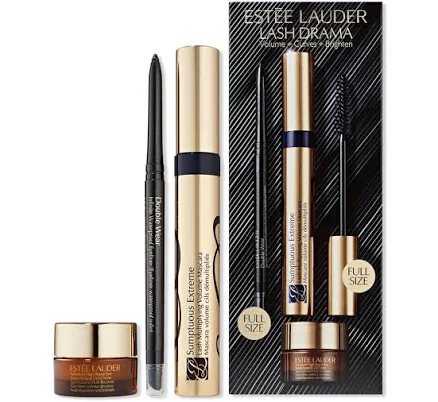
- pigments, waxes, film-formers in liquid mascara
- Heavy metals
5 hazards checked on this product, all on its full breakdown.
Find an alternative on AmazonMore waterproof mascara grades
How we score, every product runs through the same public 0-100 rubric based on materials, coatings, brand disclosure, lab findings, and recalls. See the full methodology → Spotted a mistake? Report an error.