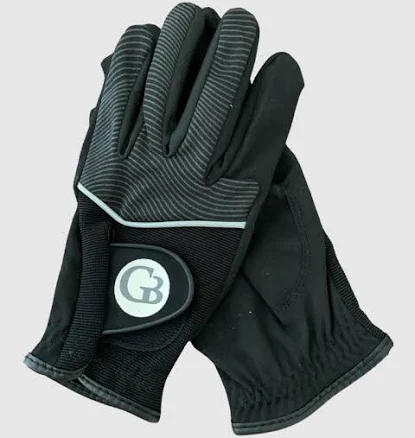
Galway Bay Apparel, LLC Men's Golf Rain Gloves
Skip until Galway Bay reveals coating details and PFAS status.
Unspecified waterproof coating on this rain glove creates concern about PFAS, typical in water-repellent textiles.
The better-graded swap
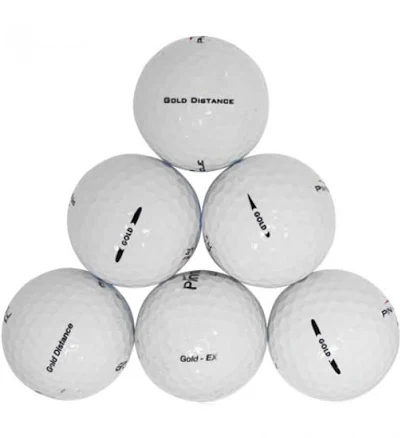
Pinnacle
Pinnacle Golf Balls Mint Quality 50 Pack
85/100 safety
Same rubric that flunked this product. The swap earned Excellent.
Still want this one anyway? Check the price on Amazon. We’d swap it.
Material
Synthetic fabric with water-resistant coating, unspecified
Brand disclosure
Brand is silent on PFAS
Lab data
No public lab test
You may also be interested in
Top-graded picks in the categories readers replace first, every one scored on the same rubric.

- polypropylene filter housing, carbon/sediment cartridge
- We found no PFAS statement from the brand
- Bacterial growth in spent cartridges
3 hazards checked on this product, all on its full breakdown.

Aquasure
Premier Series 75 GPD Under Sink Reverse Osmosis Water Filtration System
- RO membrane, carbon filters, stainless steel housing
- We found no PFAS statement from the brand
- Bacterial and microbial growth in housing and filters
4 hazards checked on this product, all on its full breakdown.

Avocado
Vegan Mattress
- organic cotton, natural latex, coconut coir, recycled steel coils
- The brand calls it PFAS-free, which we have not verified
- Heavy metals
2 hazards checked on this product, all on its full breakdown.
What Galway Bay Apparel, LLC Golf Rain Gloves is made of, ingredients and materials
The brand lists this as synthetic fabric with water-resistant coating but does not specify the coating chemistry, polymer type, or finish brand. water-repellent coating (water-repellent coating) coatings on athletic gloves historically use fluorochemicals (PFAS family) to achieve water beading and durability through repeated use and washing. Without disclosure of polyurethane vs. silicone vs. fluorocarbon basis, you cannot assess whether this glove carries persistent bioaccumulative compounds in the coating.
What’s concerning
No PFAS disclosure
No public statement from the brand about PFAS in this product.
Category baseline
The starting point for this type of product, before anything specific to this product is counted.
Waterproof / stain-resistant treatment
Water-repellent coating treatments have historically used PFAS.
PFAS
Water-repellent coating finishes on synthetic golf gloves commonly use PFAS (C6 or C8 fluorochemicals) to meet durability standards; The brand does not disclose treatment type, making presence unconfirmed but typical for this category and price point.
Source, ATSDR ↗Coating degradation and microplastic shedding
Undisclosed water-resistant coatings can flake or shed into skin or washing water as they wear. Microplastic particle risk is material-dependent (Teflon-type coating vs. polyurethane behave differently); cannot assess without coating identification.
What’s reassuring
Formaldehyde / VOCs
No published recalls or warnings specific to golf apparel for formaldehyde. Synthetic polyester/nylon blends may contain trace formaldehyde resins from dyeing or anti-wrinkle finishing; risk is low for athletic gloves but unverified by third-party test.
Source, ATSDR ↗Azo dyes in synthetic fabric
Golf glove colorways (black, white, navy) do not trigger azo-dye regulation red flags in EU or California. No brand-specific reports. Risk is minimal unless glove is heavily hand-dyed in-house, which the brand does not do.
Allergic contact reaction to finish or dye
No published complaints of dermatitis or allergic reaction to golf gloves. Risk is low for most users but individualized; those with synthetic-sensitive skin should test on small area first.
How is this PFAS grade calculated?
The brand's record and disclosure
The brand is owned by Callaway Golf and does not publicly disclose water-resistance treatment chemistry on product pages or technical sheets for apparel. The brand has not signed AFIRM (Apparel Industry Commitment to Reduce Chemicals) or similar transparency pledges. No third-party certifications (Bluesign, OEKO-TEX) are listed, limiting independent verification of finish safety.
How it compares in its category
Golf rain gloves span a wide spectrum, budget models often use cheaper Teflon-type coating or fluorocarbon water-repellent coating, premium brands increasingly switch to Teflon-type coating-free or wax-based alternatives (e.g., organic cotton blends with paraffin). The brand positions here as mid-tier athletic performance, where cost and durability often override toxicology disclosure. Competitors at similar price points rarely disclose coating type either.
If you buy it
Wash by hand in cool water; avoid machine heat and dryers, which can degrade or off-gas coating. Do not bleach or use fabric softeners, which interact unpredictably with undisclosed finishes. Replace when water no longer beads (typically 1-2 seasons) rather than re-treating, as home water-repellent coating sprays introduce additional unknown chemistry. Request material safety data sheet from retailer or manufacturer if concerns persist.
What is not known about PFAS in this product?
- Basis
- Model estimate, 35% confidence, not a lab result
- Lab test
- None on record for this exact product
- Brand statement
- has made none
Formulations change between production runs, so check the current label. How we grade.
What are the PFAS-free alternatives to Galway Bay Apparel, LLC Men's Golf Rain Gloves?
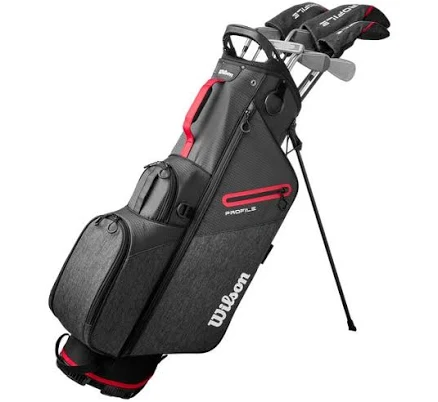
- Steel clubheads, graphite shafts, rubber grips
- We found no PFAS statement from the brand
- Graphite shaft resin degradation and fiber exposure
3 hazards checked on this product, all on its full breakdown.
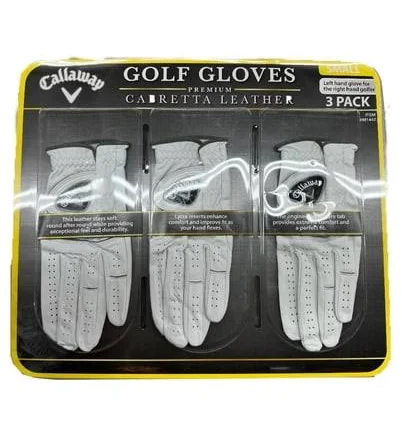
- Cabretta leather, likely tannin-tanned
- We found no PFAS statement from the brand
- Heavy metals
4 hazards checked on this product, all on its full breakdown.
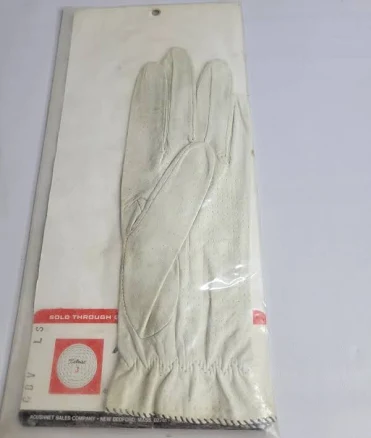
- leather or synthetic leather with cotton lining
- We found no PFAS statement from the brand
- Heavy metals
4 hazards checked on this product, all on its full breakdown.
Find an alternative on AmazonMore golf balls & equipment grades
How we score, every product runs through the same public 0-100 rubric based on materials, coatings, brand disclosure, lab findings, and recalls. See the full methodology → Spotted a mistake? Report an error.