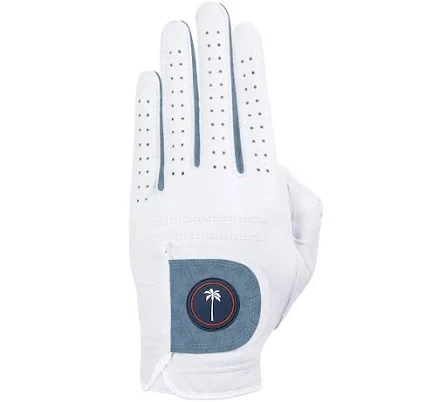
Men's Harbor Glove - Harbor / Wear on my left-hand / L
Waterproof golf glove; brand has not revealed PFAS status.
The brand's Harbor glove uses leather or synthetic with waterproof finish. Brand hasn't disclosed PFAS or treatment details.
The better-graded swap

Vice Golf
1538505-00 Pb Custom Vice Golf Ball Set
85/100 safety
Same rubric that flunked this product. The swap earned Excellent.
Still want this one anyway? Check the price on Amazon. We’d swap it.
Material
Leather or synthetic leather glove with waterproof treatment
Brand disclosure
Brand is silent on PFAS
Lab data
No public lab test
You may also be interested in
Top-graded picks in the categories readers replace first, every one scored on the same rubric.

- polypropylene filter housing, carbon/sediment cartridge
- We found no PFAS statement from the brand
- Bacterial growth in spent cartridges
3 hazards checked on this product, all on its full breakdown.

Aquasure
Premier Series 75 GPD Under Sink Reverse Osmosis Water Filtration System
- RO membrane, carbon filters, stainless steel housing
- We found no PFAS statement from the brand
- Bacterial and microbial growth in housing and filters
4 hazards checked on this product, all on its full breakdown.

Avocado
Vegan Mattress
- organic cotton, natural latex, coconut coir, recycled steel coils
- The brand calls it PFAS-free, which we have not verified
- Heavy metals
2 hazards checked on this product, all on its full breakdown.
What Men's Harbor Glove - Harbor my left-hand / is made of, ingredients and materials
Men's Harbor Glove is a leather or synthetic leather glove treated with a waterproof/water-repellent coating (water-repellent coating) finish. Golf gloves in this category typically use either polyurethane-based synthetic leather or genuine leather with fluorochemical or wax-based water treatments. The water-repellent coating treatment is the primary chemical concern; synthetic leather itself (polyurethane or PVC) has low acute hazard but degrades over time with hand moisture and friction, potentially releasing breakdown particles.
What’s concerning
Category baseline
The starting point for this type of product, before anything specific to this product is counted.
No PFAS disclosure
No public statement from the brand about PFAS in this product.
Waterproof / stain-resistant treatment
Water-repellent coating treatments have historically used PFAS.
PFAS
The brand does not disclose whether water repellency uses fluorochemical (PFAS) or fluorine-free methods. Industry standard for golf gloves is fluorochemical water-repellent coating; alternatives without fluorochemicals are rare in this category. Skin contact is intermittent and brief (during play), limiting direct absorption risk, but PFAS can accumulate in sweat/moisture near treated surface.
Source, ATSDR ↗Synthetic leather or polyurethane coating degradation
Synthetic leather gloves commonly show peeling, cracking, or particulate shedding after 12-24 months of moisture exposure and friction. Degradation products (microparticulates of polyurethane or PVC) are not formally regulated but may be inhaled or ingested in trace amounts; no acute toxicity is documented for occasional exposure from a single glove.
Contact dermatitis or sensitization from treated surface
Residual chemicals from water-repellent coating treatment, dyes, or leather finish can cause irritation or allergic contact dermatitis in sensitive individuals. This is a known but uncommon issue with golf gloves; The brand does not list hypoallergenic or allergen-tested variants. Discontinue use immediately if rash, redness, or itching develops.
What’s reassuring
Formaldehyde / VOCs
If genuine leather is used, tanning processes may include formaldehyde-based fixatives. The brand has not disclosed leather sourcing or tanning method. Finished leather gloves typically off-gas formaldehyde at very low levels after curing; direct skin contact during use presents minimal inhalation or dermal absorption risk for a single glove worn briefly.
Source, ATSDR ↗Azo dyes in leather or synthetic coloring
Leather and synthetic leather are often dyed with azo colorants, some of which can cleave to release carcinogenic amines under heavy sweating or friction. No specific incidents or testing results are public for gloves; risk is theoretical and very low given intermittent, brief wear on a single small item.
How is this PFAS grade calculated?
The brand's record and disclosure
The brand does not publicly disclose PFAS content or commitment to PFAS-free water repellency in their glove lines. The company has not published transparency reports on chemical restrictions or third-party certifications (such as OEKO-TEX or Bluesign) for apparel. No major safety recalls or chemical contamination incidents are on record for gloves, but the silent stance on water-repellent coating chemistry leaves purchaser uncertainty about fluorochemical use.
How it compares in its category
Golf gloves are a minor-use apparel item (worn 2-4 hours per use) with brief skin contact. Compared to everyday clothing or footwear, exposure duration and surface area are low. Most golf gloves (including competitors like Titleist, FootJoy) also use water-repellent coating treatments and do not disclose PFAS status, making typical rather than distinctive. A few brands (e.g., some organic/sustainable lines) offer wax-based water-repellent coating alternatives, but these are less common and typically cost more.
If you buy it
Inspect the glove weekly for coating damage, peeling, or delamination on the palm and fingers; replace immediately if the waterproof layer separates, as this can trap moisture against skin and degrade the material faster. Wash by hand in cool water with mild soap; do not machine wash or dry-clean, as heat and solvents accelerate synthetic leather breakdown. Allow air-drying away from direct heat or sunlight. Replace every 12-18 months of regular use or sooner if the grip or water repellency noticeably decreases.
What is not known about PFAS in this product?
- Basis
- Model estimate, 45% confidence, not a lab result
- Lab test
- None on record for this exact product
- Brand statement
- has made none
Formulations change between production runs, so check the current label. How we grade.
What are the PFAS-free alternatives to Men's Harbor Glove - Harbor / Wear on my left-hand / L?
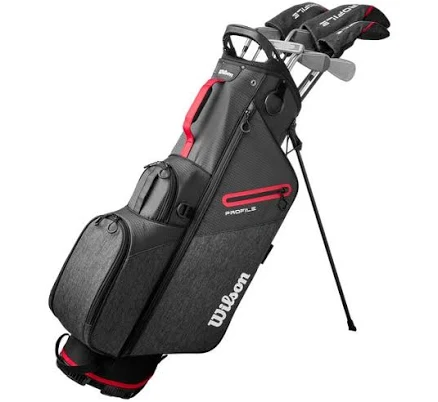
- Steel clubheads, graphite shafts, rubber grips
- We found no PFAS statement from the brand
- Graphite shaft resin degradation and fiber exposure
3 hazards checked on this product, all on its full breakdown.
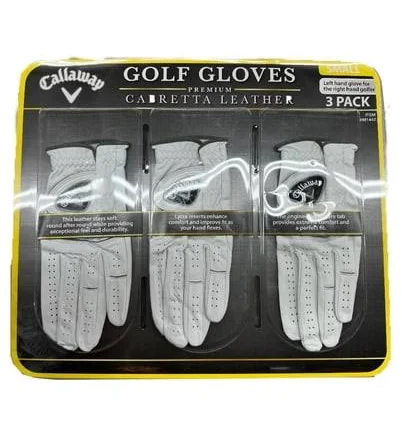
- Cabretta leather, likely tannin-tanned
- We found no PFAS statement from the brand
- Heavy metals
4 hazards checked on this product, all on its full breakdown.
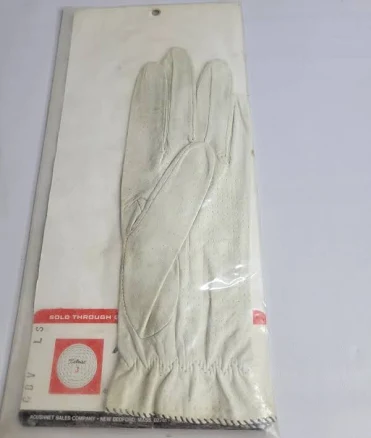
- leather or synthetic leather with cotton lining
- We found no PFAS statement from the brand
- Heavy metals
4 hazards checked on this product, all on its full breakdown.
Find an alternative on AmazonMore golf balls & equipment grades
How we score, every product runs through the same public 0-100 rubric based on materials, coatings, brand disclosure, lab findings, and recalls. See the full methodology → Spotted a mistake? Report an error.