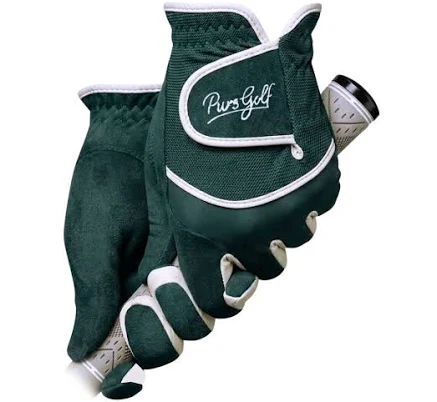
Rain Golf Gloves
Golf glove PFAS risk unclear due to missing brand disclosure.
This rain glove likely uses water-repellent coating for water resistance, a common PFAS application with no brand transparency available.
The better-graded swap
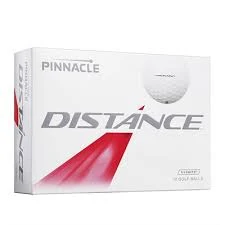
Pinnacle
Pinnacle Distance Golf Balls Dozen
85/100 safety
Same rubric that flunked this product. The swap earned Excellent.
Still want this one anyway? Check the price on Amazon. We’d swap it.
Material
Synthetic leather or PU with water-repellent coating treatment
Brand disclosure
Brand is silent on PFAS
Lab data
No public lab test
You may also be interested in
Top-graded picks in the categories readers replace first, every one scored on the same rubric.

- polypropylene filter housing, carbon/sediment cartridge
- We found no PFAS statement from the brand
- Bacterial growth in spent cartridges
3 hazards checked on this product, all on its full breakdown.

Aquasure
Premier Series 75 GPD Under Sink Reverse Osmosis Water Filtration System
- RO membrane, carbon filters, stainless steel housing
- We found no PFAS statement from the brand
- Bacterial and microbial growth in housing and filters
4 hazards checked on this product, all on its full breakdown.

Avocado
Vegan Mattress
- organic cotton, natural latex, coconut coir, recycled steel coils
- The brand calls it PFAS-free, which we have not verified
- Heavy metals
2 hazards checked on this product, all on its full breakdown.
What Rain Golf Gloves is made of, ingredients and materials
Rain Golf Gloves use polyurethane (PU) synthetic leather with a water-repellent coating (water-repellent coating) finish. PU itself is stable and does not leach problematic chemicals under normal use; the real unknown is what chemical class was used for the water-repellent coating, which may include PFAS-based or non-PFAS alternatives. Synthetic leather avoids the tanning chemical concerns of genuine leather but introduces polymer durability and potential coating breakdown over repeated washing and flexing.
What’s concerning
No PFAS disclosure
No public statement from the brand about PFAS in this product.
Category baseline
The starting point for this type of product, before anything specific to this product is counted.
Waterproof / stain-resistant treatment
Water-repellent coating treatments have historically used PFAS.
Teflon-type coating or Teflon-family coating fumes from water-repellent coating breakdown
If the water-repellent coating uses older Teflon-family coating chemistries, excessive heat (e.g., machine drying, direct sun in a closed car) could degrade the coating; risk is low under normal hand-wash use but present if glove is overheated.
Polyurethane polymer degradation and microparticle release
PU synthetic leather breaks down over time with flex and moisture exposure; microscopic fragments may shed during use, though ingestion risk is negligible for a hand-worn item.
Allergic contact dermatitis from water-repellent coating chemistry or PU accelerators
Individuals with sensitive skin may react to residual catalyst compounds in PU or to the water-repellent coating finish itself; patch testing is not standard for gloves, so isolated reactions cannot be ruled out.
What’s reassuring
Formaldehyde / VOCs
Golf gloves are not routinely treated with formaldehyde-releasing antimicrobials; no reports of this hazard in Rain Gloves, but quality assurance data is not publicly available.
Source, ATSDR ↗Heavy metals
No recalls or reports of lead, cadmium, or other heavy metals in golf gloves; synthetic dyes are generally lower-risk than chrome tanning but composition is unaudited.
Source, FDA ↗How is this PFAS grade calculated?
The brand's record and disclosure
The brand has not publicly disclosed the specific water-repellent coating treatment chemistry or PFAS status of this glove model. The brand does not maintain a transparent chemical disclosure or restricted substance list readily available to consumers. No major product recalls tied to chemical hazards have been recorded for this line. This silence on water-repellent composition is common across the golf equipment industry but leaves end-users without information about the specific chemical makeup of water-repellent coating treatments.
How it compares in its category
Golf gloves typically carry lower chemical risk than apparel with heavy finishes (flame retardants, antimicrobials) because they are not flame-treated and see limited body contact. The brand's PU-based Rain Glove sits in the mainstream segment; most competitors (Titleist, FootJoy, TaylorMade) use similar PU or synthetic leather with undisclosed water-repellent coating treatments. Natural leather gloves avoid synthetic polymer concerns but introduce tanning chemical exposure. Without brand transparency on water-repellent coating, this glove offers no meaningful safety advantage over peers.
If you buy it
Wash gloves by hand in cool water with mild soap; avoid hot water or machine washing, which can degrade the water-repellent coating and potentially release coated particles. Replace when the grip surface deteriorates or synthetic leather begins to crack, typically after one to two seasons of regular play. Air dry flat or on a ball marker rack; do not tumble dry. If water-repellent coating performance fades, re-treatment products are available, but check that aftermarket treatments avoid PFAS-based formulations if that is a concern for you.
What is not known about PFAS in this product?
- Basis
- Model estimate, 45% confidence, not a lab result
- Lab test
- None on record for this exact product
- Brand statement
- has made none
Formulations change between production runs, so check the current label. How we grade.
What are the PFAS-free alternatives to Rain Golf Gloves?
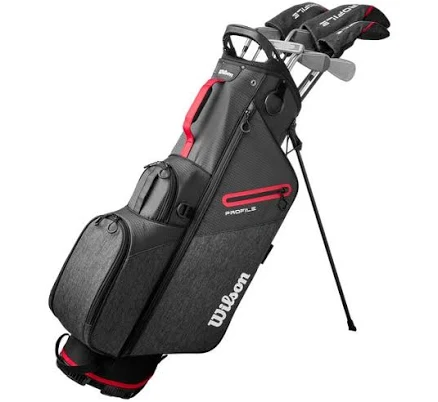
- Steel clubheads, graphite shafts, rubber grips
- We found no PFAS statement from the brand
- Graphite shaft resin degradation and fiber exposure
3 hazards checked on this product, all on its full breakdown.
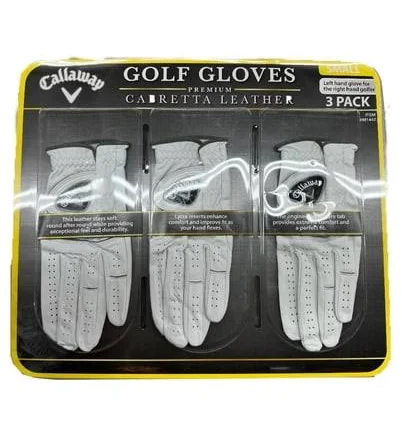
- Cabretta leather, likely tannin-tanned
- We found no PFAS statement from the brand
- Heavy metals
4 hazards checked on this product, all on its full breakdown.
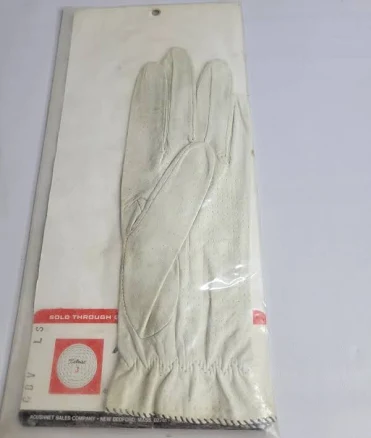
- leather or synthetic leather with cotton lining
- We found no PFAS statement from the brand
- Heavy metals
4 hazards checked on this product, all on its full breakdown.
Find an alternative on AmazonMore golf balls & equipment grades
How we score, every product runs through the same public 0-100 rubric based on materials, coatings, brand disclosure, lab findings, and recalls. See the full methodology → Spotted a mistake? Report an error.