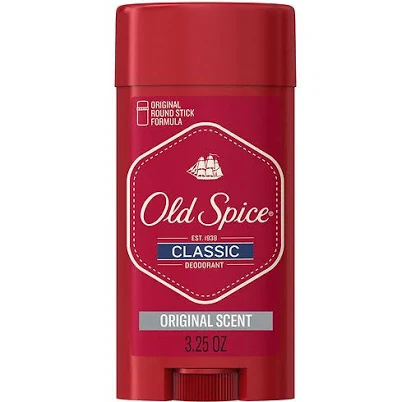
Classic Deodorant Stick Old Spice
Lower PFAS concern for a traditional stick deodorant without water resistance.
Old Spice Classic uses a wax-based stick without waterproofing, nonstick coatings, or stain resistance that typically require PFAS. The brand discloses nothing about PFAS, and no independent testing is documented.
We flunk more products than we pass. This one earned its grade. How we grade
Material
hydrocarbon wax stick base; aluminum chlorohydrate antiperspirant
Brand disclosure
Brand is silent on PFAS
Lab data
No public lab test
You may also be interested in
Top-graded picks in the categories readers replace first, every one scored on the same rubric.

- polypropylene filter housing, carbon/sediment cartridge
- We found no PFAS statement from the brand
- Bacterial growth in spent cartridges
3 hazards checked on this product, all on its full breakdown.

Aquasure
Premier Series 75 GPD Under Sink Reverse Osmosis Water Filtration System
- RO membrane, carbon filters, stainless steel housing
- We found no PFAS statement from the brand
- Bacterial and microbial growth in housing and filters
4 hazards checked on this product, all on its full breakdown.

Avocado
Vegan Mattress
- organic cotton, natural latex, coconut coir, recycled steel coils
- The brand calls it PFAS-free, which we have not verified
- Heavy metals
2 hazards checked on this product, all on its full breakdown.
What Classic Deodorant Stick Old Spice is made of, ingredients and materials
Old Spice Classic Deodorant Stick uses a hydrocarbon wax base (paraffin or similar) combined with aluminum chlorohydrate as the active antiperspirant. Hydrocarbon waxes are inert, non-absorbable, and widely used in cosmetics without systemic toxicity concerns. Aluminum chlorohydrate is the most common antiperspirant active worldwide; it works by forming a temporary plug in sweat ducts and does not accumulate in the body at typical use rates.
What’s concerning
Category baseline
The starting point for this type of product, before anything specific to this product is counted.
No PFAS disclosure
No public statement from the brand about PFAS in this product.
Aluminum absorption and systemic effects
Aluminum chlorohydrate is absorbed transdermally at low levels. No causal link to Alzheimer's disease has been established by major health authorities (FDA, WHO), but ongoing research continues; cumulative lifetime exposure is a theoretical concern for some consumers.
Fragrance allergens and sensitizers
Old Spice does not disclose individual fragrance components ('fragrance' is a permitted trade-secret blend). Undisclosed fragrance allergens such as cinnamal, limonene, or linalool can trigger contact dermatitis in sensitive individuals; no specific allergic reactions have been officially linked to this product.
Skin irritation from antiperspirant active
Aluminum chlorohydrate commonly causes transient redness, burning, or itching, especially on freshly shaved or compromised skin. This is a recognized and expected side effect in the antiperspirant class, not a defect in this product specifically.
What’s reassuring
Base material not linked to PFAS
The main material recorded for this product is not one associated with PFAS.
Microplastics
Hydrocarbon wax sticks do not degrade into microplastics under normal use. No environmental or systemic ingestion risk from microplastic shedding has been identified for wax-based stick deodorants.
Source, EPA ↗Heavy metals
Old Spice Classic uses iron oxides and mica for coloration, which are cosmetic-grade and regulated for heavy metal impurities (lead, cadmium). No contamination has been reported for this product or brand line.
Source, FDA ↗How is this PFAS grade calculated?
The brand's record and disclosure
Procter & Gamble (Old Spice parent company) does not prominently disclose full ingredient transparency for fragrance components, which is legal under cosmetic regulations but limits consumer verification. No major product recalls or safety controversies specific to Old Spice deodorant are on public record. The brand has not made explicit PFAS-free claims or published PFAS testing data.
How it compares in its category
Stick deodorants with aluminum antiperspirant are the category standard and among the most regulated cosmetic formats. Old Spice occupies the mainstream mass-market tier, priced and formulated similarly to competitors like Degree and Axe. Compared to natural or aluminum-free alternatives, aluminum antiperspirants have longer safety track records and more efficacy data, though some consumers prefer to avoid aluminum regardless.
If you buy it
Apply to clean, dry skin; do not apply immediately after shaving or to irritated skin, as aluminum can cause temporary irritation. Replace the stick when depleted or if coating cracks develop. Store in a cool, dry place to prevent warping of the wax base. Discontinue use if persistent rash or allergic reaction occurs; contact dermatologist if concerns arise.
What is not known about PFAS in this product?
- Basis
- Model estimate, 78% confidence, not a lab result
- Lab test
- None on record for this exact product
- Brand statement
- Old Spice has made none
Formulations change between production runs, so check the current label. How we grade.
What are the PFAS-free alternatives to Classic Deodorant Stick Old Spice?
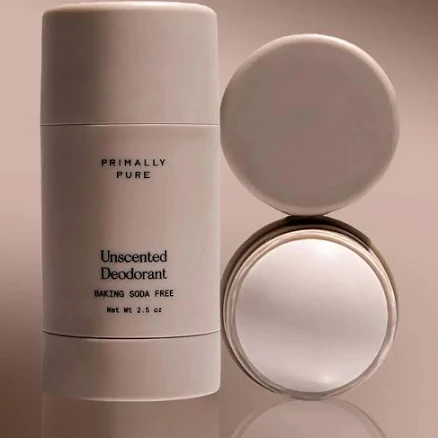
- mineral-based powder blend (arrowroot, magnesium hydroxide, mica)
- We found no PFAS statement from the brand
- Skin irritation from magnesium hydroxide alkalinity
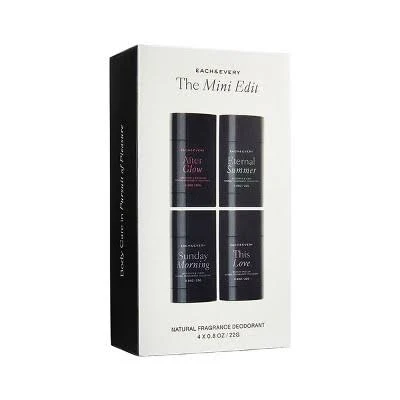
- cosmetic formulations, primary ingredients listed
- A third party reports verifying it as PFAS-free
- Fragrance allergens (natural essential oils)
2 hazards checked on this product, all on its full breakdown.
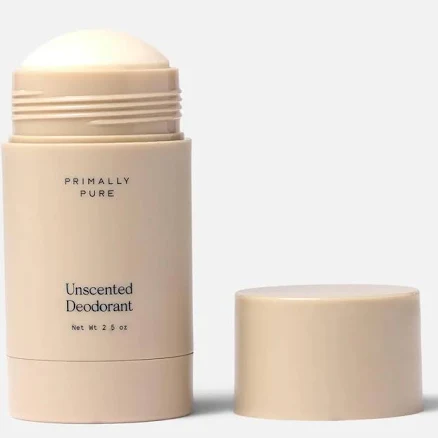
- natural mineral powders, plant-based actives, beeswax
- We found no PFAS statement from the brand
- Beeswax purity and contamination
2 hazards checked on this product, all on its full breakdown.
More deodorant grades
How we score, every product runs through the same public 0-100 rubric based on materials, coatings, brand disclosure, lab findings, and recalls. See the full methodology → Spotted a mistake? Report an error.