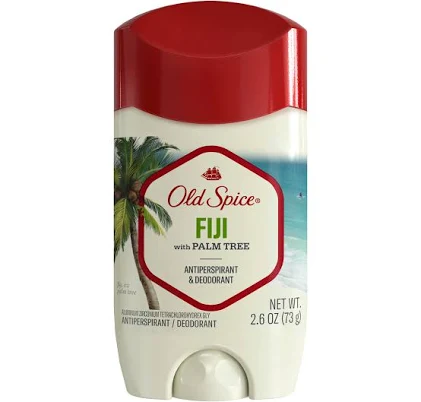
Old Spice Antiperspirant Deodorant
Low PFAS concern; standard antiperspirant without waterproofing or specialty coatings.
This aerosol or stick antiperspirant has no documented water-resistance or grease-resistant treatments requiring PFAS. The brand makes no PFAS claims and this cosmetic category poses minimal PFAS risk.
We flunk more products than we pass. This one earned its grade. How we grade
Material
aluminum/starch base, propellant, fragrance
Brand disclosure
Brand is silent on PFAS
Lab data
No public lab test
You may also be interested in
Top-graded picks in the categories readers replace first, every one scored on the same rubric.

- polypropylene filter housing, carbon/sediment cartridge
- We found no PFAS statement from the brand
- Bacterial growth in spent cartridges
3 hazards checked on this product, all on its full breakdown.

Aquasure
Premier Series 75 GPD Under Sink Reverse Osmosis Water Filtration System
- RO membrane, carbon filters, stainless steel housing
- We found no PFAS statement from the brand
- Bacterial and microbial growth in housing and filters
4 hazards checked on this product, all on its full breakdown.

Avocado
Vegan Mattress
- organic cotton, natural latex, coconut coir, recycled steel coils
- The brand calls it PFAS-free, which we have not verified
- Heavy metals
2 hazards checked on this product, all on its full breakdown.
What Old Spice Antiperspirant Deodorant is made of, ingredients and materials
Old Spice Antiperspirant Deodorant is formulated around aluminum compounds (likely aluminum zirconium or aluminum chlorohydrate), which are the active ingredient blocking sweat, mixed with starch or silica as a base and propellant gases for aerosol delivery. The fragrance blend is proprietary; Old Spice is known for strong synthetic musk and woody notes that carry potential allergen risk. No ceramic, enamel, or specialty coatings are present, eliminating risks like lead in glazes or Teflon-type coating fume inhalation.
What’s concerning
Category baseline
The starting point for this type of product, before anything specific to this product is counted.
No PFAS disclosure
No public statement from the brand about PFAS in this product.
Fragrance allergens and contact sensitization
Old Spice's proprietary fragrance blend contains synthetic musks and botanical extracts; no ingredient disclosure prevents assessment of specific allergen triggers like limonene or geraniol, but fragrance-induced contact dermatitis is well-documented in antiperspirant category.
Aluminum absorption via skin
Aluminum zirconium compounds are the active antiperspirant ingredient. Dermal absorption of aluminum is low but measurable; epidemiological evidence does not support Alzheimer's causation, but absorption is higher on abraded or inflamed skin and in regular daily users.
Propellant inhalation (aerosol form)
Aerosol propellants (typically hydrocarbon or compressed gas) pose low acute risk with normal use but can trigger asthma or respiratory irritation if inhaled directly or in poorly ventilated spaces; powder or stick alternatives eliminate this.
What’s reassuring
Base material not linked to PFAS
The main material recorded for this product is not one associated with PFAS.
Talc contamination
Old Spice Antiperspirant typically uses starch or silica as base powder, not talc; no known recalls or litigation linked to talc in this product line.
Formaldehyde / VOCs
No public disclosure or recall history indicates formaldehyde preservatives in Old Spice Antiperspirant; standard deodorant preservatives are typically phenoxyethanol or parabens, not formaldehyde donors.
Source, ATSDR ↗How is this PFAS grade calculated?
The brand's record and disclosure
Procter & Gamble (Old Spice parent) does not publicly disclose detailed fragrance composition or PFAS content in antiperspirant lines, though their broader transparency has improved on other product categories. No major recalls specific to Old Spice Antiperspirant exist on public record. The brand does not pursue third-party dermatological certification or allergen labeling beyond FDA ingredient listing.
How it compares in its category
Old Spice sits in the mainstream antiperspirant segment with aluminum concentrations typical for over-the-counter products (around 15-20% active). Compared to natural or aluminum-free deodorants, it offers stronger sweat blocking but higher skin sensitization potential for fragrance-reactive individuals. Versus clinical/prescription strength products, it is weaker but carries proportionally lower aluminum exposure.
If you buy it
Apply to clean, dry skin only; wet or freshly showered skin can reduce efficacy and irritate. Do not inhale aerosol spray directly; use in ventilated areas. Discontinue if rash, itching, or burning develops, as fragrance or aluminum sensitization can occur with prolonged use. Replace every 12-18 months or when product hardens or separates, as propellant degradation can affect spray consistency.
What is not known about PFAS in this product?
- Basis
- Model estimate, 78% confidence, not a lab result
- Lab test
- None on record for this exact product
- Brand statement
- Old Spice has made none
Formulations change between production runs, so check the current label. How we grade.
What are the PFAS-free alternatives to Old Spice Antiperspirant Deodorant?
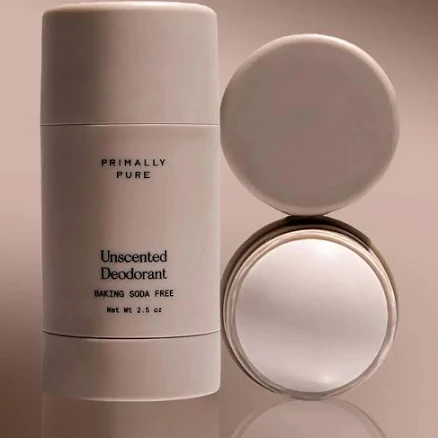
- mineral-based powder blend (arrowroot, magnesium hydroxide, mica)
- We found no PFAS statement from the brand
- Skin irritation from magnesium hydroxide alkalinity
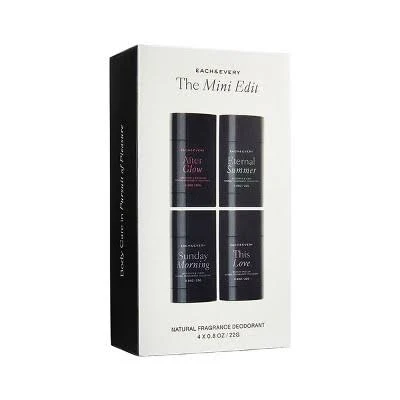
- cosmetic formulations, primary ingredients listed
- A third party reports verifying it as PFAS-free
- Fragrance allergens (natural essential oils)
2 hazards checked on this product, all on its full breakdown.
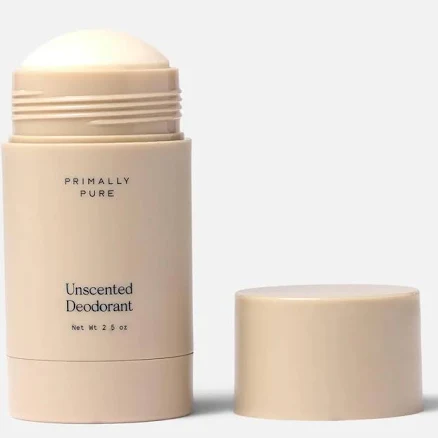
- natural mineral powders, plant-based actives, beeswax
- We found no PFAS statement from the brand
- Beeswax purity and contamination
2 hazards checked on this product, all on its full breakdown.
More deodorant grades
How we score, every product runs through the same public 0-100 rubric based on materials, coatings, brand disclosure, lab findings, and recalls. See the full methodology → Spotted a mistake? Report an error.