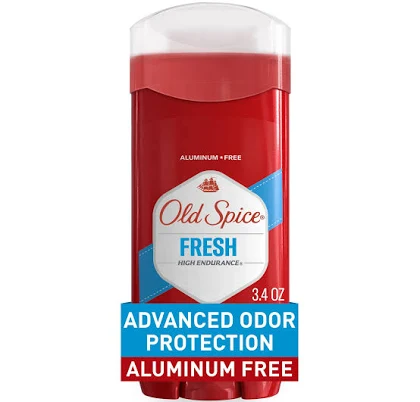
Old Spice High Endurance Deodorant
Lower concern for a solid deodorant with no known PFAS triggers.
Old Spice High Endurance contains aluminum complexes without reported Teflon-family coating, stain-resist, or water-repellent coatings. The brand makes no PFAS statements, and no public recalls flag PFAS contamination.
We flunk more products than we pass. This one earned its grade. How we grade
Material
Aluminum complex salts, fragrance, starch, talc base
Brand disclosure
Brand is silent on PFAS
Lab data
No public lab test
You may also be interested in
Top-graded picks in the categories readers replace first, every one scored on the same rubric.

- polypropylene filter housing, carbon/sediment cartridge
- We found no PFAS statement from the brand
- Bacterial growth in spent cartridges
3 hazards checked on this product, all on its full breakdown.

Aquasure
Premier Series 75 GPD Under Sink Reverse Osmosis Water Filtration System
- RO membrane, carbon filters, stainless steel housing
- We found no PFAS statement from the brand
- Bacterial and microbial growth in housing and filters
4 hazards checked on this product, all on its full breakdown.

Avocado
Vegan Mattress
- organic cotton, natural latex, coconut coir, recycled steel coils
- The brand calls it PFAS-free, which we have not verified
- Heavy metals
2 hazards checked on this product, all on its full breakdown.
What Old Spice High Endurance Deodorant is made of, ingredients and materials
Old Spice High Endurance is a solid stick deodorant built on aluminum zirconium or aluminum chlorohydrate complexes, which block sweat ducts through a physical mechanism rather than antimicrobial action. The base includes talc (a mineral powder filler), fragrance compounds, and starch to control moisture and texture. Aluminum salts in deodorants are topically applied and do not enter systemic circulation in meaningful amounts at typical use levels; the talc component is the primary material concern in this formulation.
What’s concerning
Category baseline
The starting point for this type of product, before anything specific to this product is counted.
No PFAS disclosure
No public statement from the brand about PFAS in this product.
Talc contamination
Old Spice does not publicly disclose talc sourcing, purity testing, or asbestos screening. Cosmetic-grade talc is regulated by the FDA, but independent testing of consumer deodorants has occasionally detected trace asbestos; the actual risk from properly sourced talc in deodorant is very low, but brand silence on sourcing limits assurance.
Fragrance allergens and sensitivizers
Old Spice uses proprietary fragrance blends not individually itemized on the label. Fragrance is a known allergen class; individuals with sensitive skin, contact dermatitis history, or fragrance sensitivities may experience irritation, but this is a recognized category risk rather than a brand-specific defect.
Coating or stick degradation and bacterial growth
Solid deodorant sticks can develop surface cracks, grooves, or moisture entrapment over time, especially in humid bathrooms, creating niches for bacterial or fungal growth. Replacement and storage in dry conditions mitigates this risk, which is not unique to Old Spice but inherent to the solid stick format.
Skin irritation and contact sensitization
Aluminum salts and fragrances can trigger localized dermatitis, particularly in individuals with history of eczema, psoriasis, or sensitive skin; reactions are typically mild and reversible upon discontinuation. Old Spice has not reported widespread safety alerts, but individual sensitivity is not uncommon in this product class.
What’s reassuring
Base material not linked to PFAS
The main material recorded for this product is not one associated with PFAS.
Aluminum complex salt systemic absorption
Topical aluminum deodorant application does not result in meaningful systemic uptake or accumulation at normal use levels; peer-reviewed evidence does not support a causal link between deodorant aluminum and Alzheimer's disease or other systemic harm. This hazard is not established in literature for typical exposure.
How is this PFAS grade calculated?
The brand's record and disclosure
Procter & Gamble (Old Spice's parent) does not publicly disclose detailed ingredient sourcing, heavy metal testing, or talc supplier auditing for this product line. No major product recalls for Old Spice deodorant safety are on record with the FDA or CPSC. The brand has not committed to third-party cosmetic certifications (such as EWG Verified or Natural Products Association) and remains silent on talc purity standards and PFAS avoidance policies.
How it compares in its category
Old Spice High Endurance is a mainstream aluminum-based deodorant, typical of mass-market offerings; it sits in the middle range for transparency. Alternatives like Crystal (mineral salt), Kopari (coconut-based), and Schmidt's (plant starch) offer higher ingredient disclosure or talc-free formulations, while drugstore brands (Dove, Secret) have similar aluminum chemistry with comparable disclosure gaps. This product does not stand out negatively within its category but also offers no premium safety or transparency advantage.
If you buy it
Apply to clean, dry skin and avoid contact with broken skin, eyes, or mucous membranes. Replace the stick every 4-6 months or when degraded to prevent uneven application and potential bacterial growth in grooves. If skin irritation, rash, or persistent itching develops, discontinue use; aluminum sensitivity is rare but documented. Store in cool, dry conditions away from heat to preserve the solid structure and fragrance stability.
What is not known about PFAS in this product?
- Basis
- Model estimate, 72% confidence, not a lab result
- Lab test
- None on record for this exact product
- Brand statement
- Old Spice has made none
Formulations change between production runs, so check the current label. How we grade.
What are the PFAS-free alternatives to Old Spice High Endurance Deodorant?
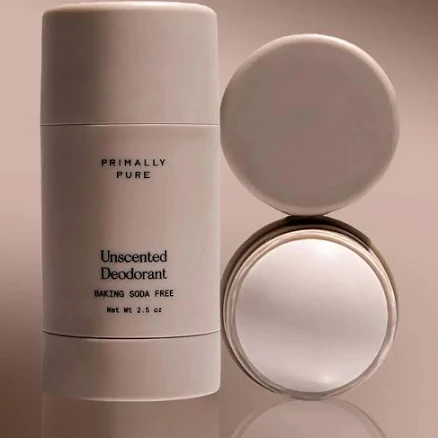
- mineral-based powder blend (arrowroot, magnesium hydroxide, mica)
- We found no PFAS statement from the brand
- Skin irritation from magnesium hydroxide alkalinity
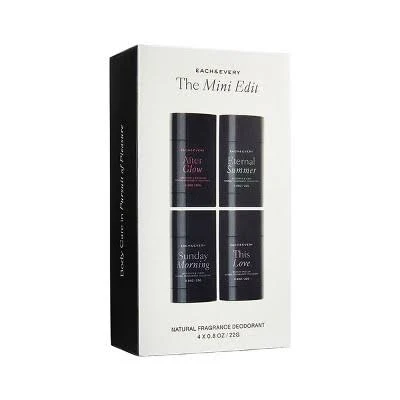
- cosmetic formulations, primary ingredients listed
- A third party reports verifying it as PFAS-free
- Fragrance allergens (natural essential oils)
2 hazards checked on this product, all on its full breakdown.
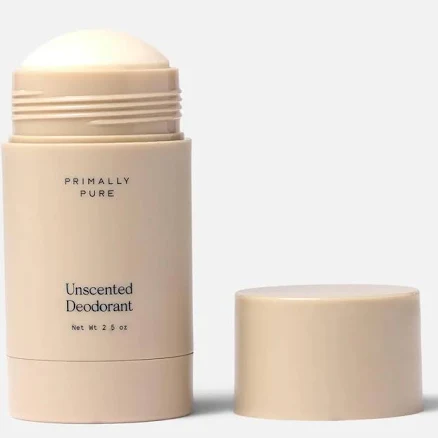
- natural mineral powders, plant-based actives, beeswax
- We found no PFAS statement from the brand
- Beeswax purity and contamination
2 hazards checked on this product, all on its full breakdown.
More deodorant grades
How we score, every product runs through the same public 0-100 rubric based on materials, coatings, brand disclosure, lab findings, and recalls. See the full methodology → Spotted a mistake? Report an error.