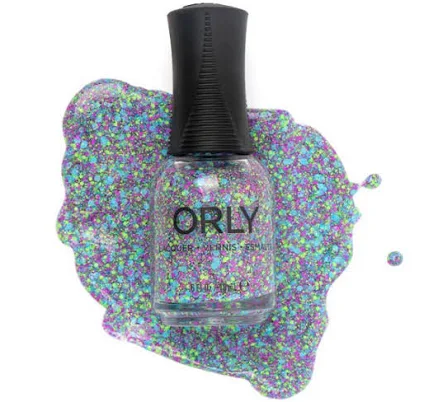
Nail Lacquer Orly
Insufficient public data; typical nail polish risk is low but Orly doesn't disclose PFAS.
Orly nail lacquers use resins and plasticizers whose PFAS content remains undisclosed by the brand. Standard nail polish carries lower PFAS concern than waterproofing coatings, though Orly provides no transparency.
The better-graded swap
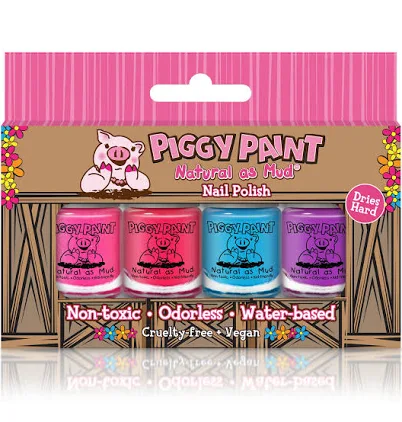
Piggy Paint
Piggy Paint 4-Piece Nail Polish Set
100/100 safety
Same rubric that flunked this product. The swap earned Excellent.
Still want this one anyway? Check the price on Amazon. We’d swap it.
Material
Nail polish resin/film formers (proprietary blend)
Brand disclosure
Brand is silent on PFAS
Lab data
No public lab test
Is Nail Lacquer Orly non-toxic? What it is made of
Orly Nail Lacquer is a solvent-based film-forming system using proprietary resin blends typical of conventional nail polish, nitrocellulose, plasticizers, and volatile organic compounds (VOCs) as carriers. The resin matrix hardens on the nail through solvent evaporation rather than UV curing, meaning exposure to VOCs occurs during application and drying. Orly does not publicly disclose full ingredient lists or chemical composition, limiting independent verification of specific hazard levels.
What’s concerning
Category baseline
The starting point for this type of product, before anything specific to this product is counted.
No PFAS disclosure
No public statement from the brand about PFAS in this product.
Volatile Organic Compounds (VOCs) and solvent exposure
Conventional nail lacquers, including Orly, rely on VOC solvents (acetone, ethyl acetate, toluene) for application and drying. Inhalation during application, particularly in poorly ventilated spaces, poses respiratory irritation risk; chronic exposure in professional settings is documented as a concern.
Formaldehyde / VOCs
Orly does not disclose whether formaldehyde resins or formaldehyde-releasing preservatives are used. Conventional polishes often contain these to harden the film; no public data confirms or denies Orly's use, but absence of '3-free' or '5-free' labeling suggests typical formulations may include them.
Source, ATSDR ↗Dibutyl phthalate (DBP) and other plasticizers
Plasticizers provide flexibility to the hardened polish film. Orly does not publicly state whether it uses DBP (a restricted plasticizer in many jurisdictions) or alternatives associated with lower concern. No regulatory action or recall against Orly for phthalate content is on record.
Coating adhesion and wear (not a toxicity hazard)
User reports indicate Orly polish durability varies by shade and nail type; some formulations chip within 5-7 days. While not a direct health hazard, poor adhesion may encourage more frequent reapplication and thus higher solvent exposure over time.
What’s reassuring
Base material not linked to PFAS
The main material recorded for this product is not one associated with PFAS.
Heavy metals
No public records, recalls, or test results document heavy metal contamination (lead, cadmium, arsenic) in Orly Nail Lacquer. Nail polish pigments are generally less stringently regulated than cosmetics; Orly does not provide third-party testing transparency.
Source, FDA ↗The full breakdown
The brand's record and disclosure
Orly is a long-established US nail polish manufacturer with no major safety recalls on public record related to chemical contamination or hazard omission. The brand does not publish ingredient transparency reports, PFAS statements, or third-party safety certifications (e.g., clean beauty seals). No established controversies regarding formaldehyde levels, heavy metals, or banned azo dyes are documented for Orly products in regulatory databases or safety organizations.
How it compares in its category
Orly Nail Lacquer sits in the conventional/mainstream segment, not marketed as low-VOC or 'clean.' Compared to 3-free or 5-free formulas (which exclude formaldehyde, dibutyl phthalate, and other restricted compounds), Orly makes no such claims and likely contains these standard solvents at typical levels. It occupies middle ground between budget brands and premium polishes marketed as lower-concern options; its safety profile aligns with industry norms rather than leading alternatives with lower concern.
If you buy it
Apply in well-ventilated spaces to minimize VOC inhalation during and immediately after application. Allow full drying time (typically 10-15 minutes) before touching nails to ensure complete hardening and reduce skin contact with uncured resin. Replace polish every 1-2 years or if you notice thickening, separation, or odor changes, which indicate solvent degradation. Store at room temperature away from heat and direct sunlight to preserve formula stability and prevent pressure buildup in the bottle.
What we don’t know
- Basis
- Model estimate, 35% confidence, not a lab result
- Lab test
- None on record for this exact product
- Brand statement
- Orly has made none
Formulations change between production runs, so check the current label. How we grade.
Better-graded alternatives in Nail Polish & Top Coat
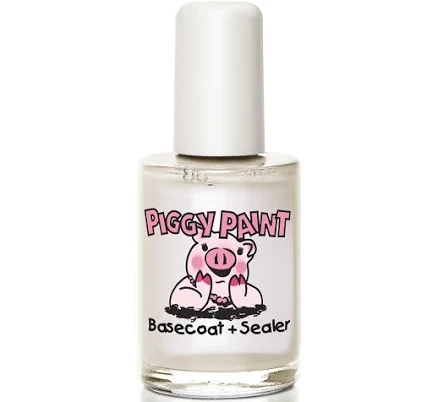
Piggy Paint
Basecoat & Sealer Nail Polish
- Water-based organic pigments and plant-derived resins
- The brand calls it PFAS-free, which we have not verified
- Heavy metals
3 hazards checked on this product. See all of them.
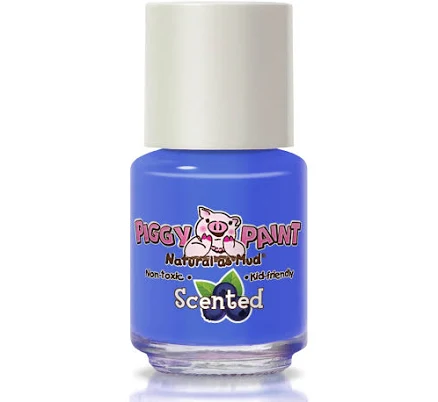
Piggy Paint
Nail Polish Piggy Paint
- water-based pigmented lacquer
- The brand calls it PFAS-free, which we have not verified
- Volatile organic compounds (VOCs) from resins and solvents
3 hazards checked on this product. See all of them.
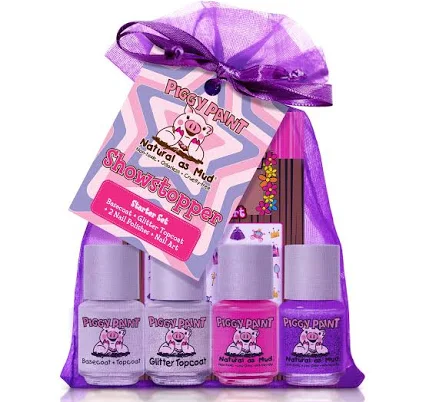
Piggy Paint
Showstopper Nail Polish Set
- organic pigments, plant-based resins, water-based lacquer
- The brand calls it PFAS-free, which we have not verified
- Volatile organic compounds (VOCs)
2 hazards checked on this product. See all of them.
More nail polish & top coat grades
How we score, every product runs through the same public 0-100 rubric based on materials, coatings, brand disclosure, lab findings, and recalls. See the full methodology → Spotted a mistake? Report an error.