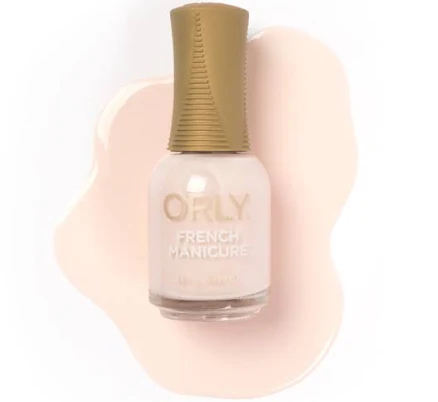
ORLY Nail Lacquer
Typical nail lacquer without known PFAS triggers, but brand makes no disclosure.
ORLY Nail Lacquer follows standard cosmetic formulas without documented PFAS materials in typical lacquer chemistry. Orly makes no public commitment to PFAS-free status, and some lacquers may contain undisclosed additives.
The better-graded swap
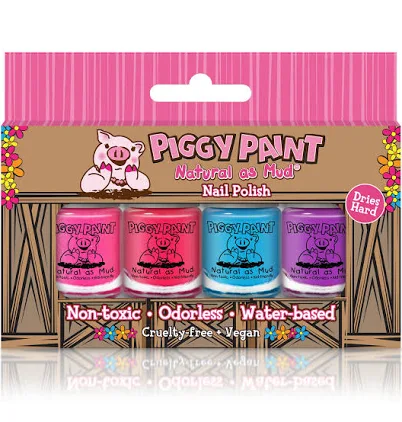
Piggy Paint
Piggy Paint 4-Piece Nail Polish Set
100/100 safety
Same rubric that flunked this product. The swap earned Excellent.
Still want this one anyway? Check the price on Amazon. We’d swap it.
Material
Nitrocellulose, plasticizers, resins (standard nail lacquer formula)
Brand disclosure
Brand is silent on PFAS
Lab data
No public lab test
Is ORLY Nail Lacquer non-toxic? What it is made of
Orly Nail Lacquer uses nitrocellulose (cellulose nitrate) as the film-former, combined with plasticizers (typically dibutyl phthalate or DBP alternatives) and resins to create the glossy, flexible coating. Nitrocellulose itself is non-toxic once dried, but the solvent blend (usually acetone, ethyl acetate, toluene) carries inhalation risk during application. The plasticizer choice determines whether phthalate exposure occurs; Orly's specific formulation details are not publicly transparent.
What’s concerning
Category baseline
The starting point for this type of product, before anything specific to this product is counted.
No PFAS disclosure
No public statement from the brand about PFAS in this product.
Phthalate plasticizers (DBP/DEHP)
Standard nail lacquers commonly contain dibutyl phthalate (DBP) or diethylhexyl phthalate (DEHP) to maintain flexibility; Orly does not disclose its plasticizer type. If DBP is present, dermal and inhalation exposure during application is low but repeated occupational exposure (e.g., salon workers) carries documented reproductive toxicity concerns.
Solvent inhalation (acetone, toluene, ethyl acetate)
All nail lacquers emit volatile organic compounds during and shortly after application. Acute symptoms (headache, dizziness, respiratory irritation) are well-documented in poorly ventilated settings; chronic low-level exposure is inadequately studied but flagged by occupational health agencies for salon workers.
Formaldehyde / VOCs
Many nail lacquers use formaldehyde-based resins (like formaldehyde resin or tosylamide-formaldehyde resin) to improve adhesion and shine. Orly's ingredient list is not fully public, so presence cannot be confirmed; if present, exposure during application and wear is typically minimal but cumulative occupational exposure warrants concern.
Source, ATSDR ↗Nail plate weakening from prolonged wear and removal
Extended lacquer use (weeks without removal) combined with acetone-based remover can dehydrate nails and cause brittleness over time. This is a mechanical/chemical wear issue rather than acute toxicity, but cumulative for frequent users.
What’s reassuring
Base material not linked to PFAS
The main material recorded for this product is not one associated with PFAS.
Lead
No recalls or reports of lead or cadmium contamination in Orly lacquers are on record. Regulatory oversight in cosmetic colorants has reduced but not eliminated this risk; third-party testing of specific Orly shades is not publicly available.
Source, ATSDR ↗The full breakdown
The brand's record and disclosure
Orly International has no major safety recalls or controversies in the public record for this product line. The brand does not publish detailed ingredient transparency or certifications (such as 3-Free or 5-Free labeling) on standard Orly lacquers, meaning consumers cannot verify whether phthalates, formaldehyde, or dibutyl phthalate are present. This silence on lower-concern reformulation is typical across mid-market nail polish but limits informed choice.
How it compares in its category
Orly Nail Lacquer occupies the mainstream market tier, more affordable than salon-exclusive brands but lacking the transparency of brands with certified lower-concern formulations (Ella+Mila, Zoya, Butter London 3-Free lines). Most nail polishes in this segment use similar nitrocellulose-plasticizer-resin chemistry, so hazard profile is category-standard rather than brand-specific. Orly's color range and durability reputation are competitive; safety differentiation is minimal.
If you buy it
Apply in well-ventilated spaces or outdoors to minimize solvent inhalation; acetone and toluene volatilize within hours after application. Avoid prolonged skin contact with wet lacquer, and do not ingest. Replace the cap promptly to prevent solvent evaporation, which thickens the formula and can require thinner addition (increasing solvent load). Remove with acetone-based remover and moisturize nails afterward, as prolonged lacquer wear can dehydrate the nail plate.
What we don’t know
- Basis
- Model estimate, 45% confidence, not a lab result
- Lab test
- None on record for this exact product
- Brand statement
- Orly has made none
Formulations change between production runs, so check the current label. How we grade.
Better-graded alternatives in Nail Polish & Top Coat
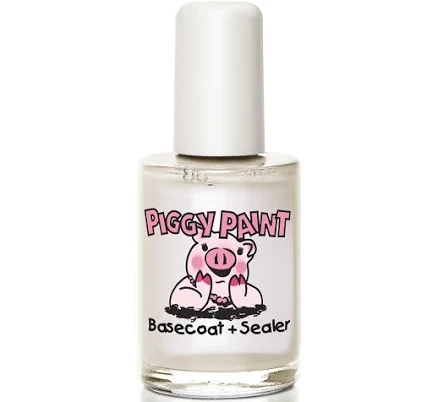
Piggy Paint
Basecoat & Sealer Nail Polish
- Water-based organic pigments and plant-derived resins
- The brand calls it PFAS-free, which we have not verified
- Heavy metals
3 hazards checked on this product. See all of them.
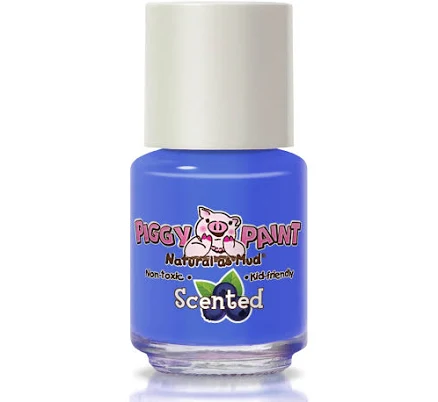
Piggy Paint
Nail Polish Piggy Paint
- water-based pigmented lacquer
- The brand calls it PFAS-free, which we have not verified
- Volatile organic compounds (VOCs) from resins and solvents
3 hazards checked on this product. See all of them.
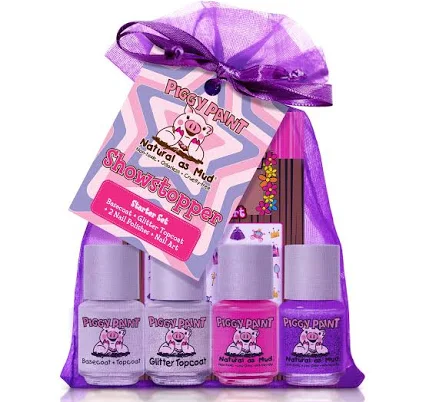
Piggy Paint
Showstopper Nail Polish Set
- organic pigments, plant-based resins, water-based lacquer
- The brand calls it PFAS-free, which we have not verified
- Volatile organic compounds (VOCs)
2 hazards checked on this product. See all of them.
More nail polish & top coat grades
How we score, every product runs through the same public 0-100 rubric based on materials, coatings, brand disclosure, lab findings, and recalls. See the full methodology → Spotted a mistake? Report an error.