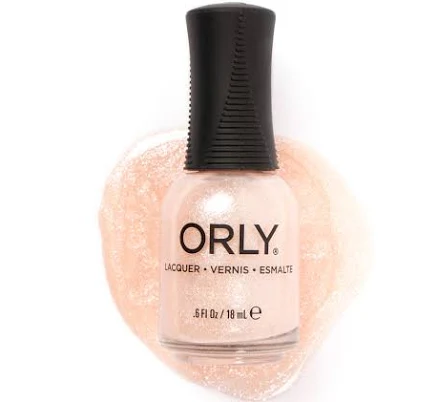
ORLY Snow Worries Nail Lacquer
Insufficient transparency; nail polish formulations rarely disclose PFAS status.
Orly does not publicly disclose PFAS content in Snow Worries or other lacquers. Conventional nail polishes may contain fluorinated compounds in resins, but no confirmed testing is publicly available.
The better-graded swap
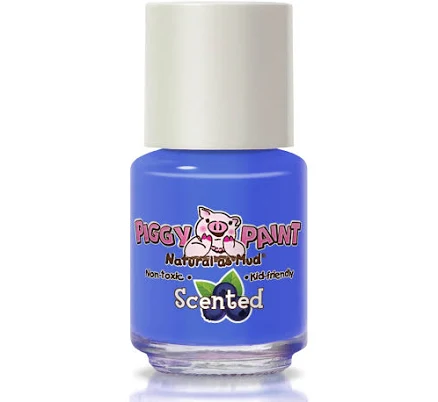
Piggy Paint
Nail Polish Piggy Paint
100/100 safety
Same rubric that flunked this product. The swap earned Excellent.
Still want this one anyway? Check the price on Amazon. We’d swap it.
Material
Nitrocellulose-based nail lacquer with plasticizers
Brand disclosure
Brand is silent on PFAS
Lab data
No public lab test
Is ORLY Snow Worries Nail Lacquer non-toxic? What it is made of
Orly Snow Worries is a nitrocellulose-based nail lacquer, the industry standard for chip-resistant, fast-drying formulas. Nitrocellulose is a film-former derived from cellulose; the actual safety profile depends on what plasticizers and solvents are mixed in to keep it flexible and workable. The brand does not publicly disclose its full plasticizer list, which is common practice in nail polish but means potential exposure to dibutyl phthalate (DBP), camphor, or other softening agents cannot be ruled out without independent testing.
What’s concerning
Category baseline
The starting point for this type of product, before anything specific to this product is counted.
No PFAS disclosure
No public statement from the brand about PFAS in this product.
Volatile organic compounds (VOCs) and solvent exposure
Nitrocellulose lacquers require acetone, toluene, or similar solvents to remain liquid; these are CNS irritants at high concentrations. Orly does not specify solvent composition, but standard formulas release vapors during application and drying.
Phthalates
Dibutyl phthalate (DBP) and camphor are common plasticizers in conventional nail polish to prevent brittleness. Orly Snow Worries does not list plasticizers publicly; independent lab testing would be required to confirm or rule out DBP or similar compounds.
Source, ATSDR ↗Skin and respiratory sensitization from fragrance or resins
Nail lacquers often contain fragrance blends and synthetic resins (tosylamide/formaldehyde resin) to improve adhesion and gloss. Prolonged or repeated exposure can trigger contact dermatitis or respiratory irritation in sensitized individuals; Orly does not disclose fragrance or resin content.
Formaldehyde / VOCs
Many conventional nail polishes use tosylamide/formaldehyde resin as a film-former. This resin can slowly release formaldehyde vapors, especially when heated or during application; Orly does not state whether this ingredient is present in Snow Worries.
Source, ATSDR ↗What’s reassuring
Base material not linked to PFAS
The main material recorded for this product is not one associated with PFAS.
Lead
No recalls or public reports of heavy metal contamination in Orly products have been documented. Modern cosmetic-grade pigments in nail polish are generally regulated, but independent testing of this specific product has not been published in accessible sources.
Source, ATSDR ↗The full breakdown
The brand's record and disclosure
Orly has not published transparency reports or third-party certifications (such as 10-Free or 13-Free claims) for this product line. The brand remains silent on PFAS use, consistent with most conventional nail polish manufacturers. No recalls or safety warnings specific to Orly Snow Worries appear in public databases. The lack of proactive disclosure does not confirm hazard presence, but reflects an industry norm of minimal ingredient transparency at the consumer level.
How it compares in its category
Orly is a mainstream mass-market brand; Snow Worries sits in the conventional lacquer segment, not in the growing 'non-toxic' or certified-free categories (e.g., Zoya, Ella+Mila). Standard nail polishes across brands typically contain multiple volatile organic compounds (VOCs) and undisclosed plasticizers; Orly's lack of certification is the norm rather than an outlier. For cost and durability, it performs comparably to Sally Hansen or Essie products at similar price points.
If you buy it
Apply in a well-ventilated space or outdoors to minimize inhalation of solvent vapors, particularly acetone and toluene. Do not heat the bottle or expose it to direct sunlight, as this can increase off-gassing and degrade the formula stability. Replace the bottle cap tightly after each use to prevent solvent evaporation and thickening. Allow at least 10-15 minutes of air drying after application before touching surfaces; avoid ingestion and keep away from eyes and open wounds.
What we don’t know
- Basis
- Model estimate, 45% confidence, not a lab result
- Lab test
- None on record for this exact product
- Brand statement
- Orly has made none
Formulations change between production runs, so check the current label. How we grade.
Better-graded alternatives in Nail Polish & Top Coat
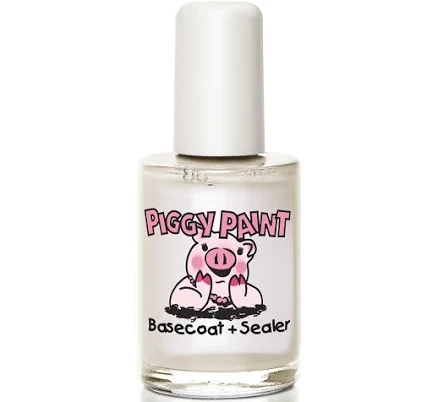
Piggy Paint
Basecoat & Sealer Nail Polish
- Water-based organic pigments and plant-derived resins
- The brand calls it PFAS-free, which we have not verified
- Heavy metals
3 hazards checked on this product. See all of them.
Piggy Paint
Nail Polish Piggy Paint
- water-based pigmented lacquer
- The brand calls it PFAS-free, which we have not verified
- Volatile organic compounds (VOCs) from resins and solvents
3 hazards checked on this product. See all of them.
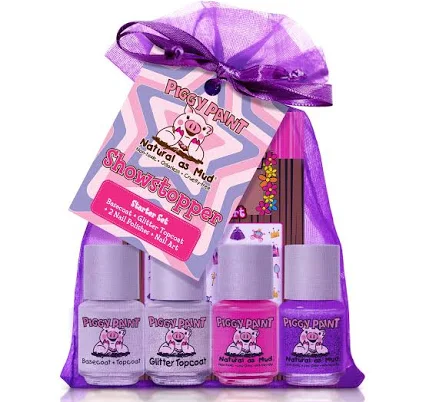
Piggy Paint
Showstopper Nail Polish Set
- organic pigments, plant-based resins, water-based lacquer
- The brand calls it PFAS-free, which we have not verified
- Volatile organic compounds (VOCs)
2 hazards checked on this product. See all of them.
More nail polish & top coat grades
How we score, every product runs through the same public 0-100 rubric based on materials, coatings, brand disclosure, lab findings, and recalls. See the full methodology → Spotted a mistake? Report an error.