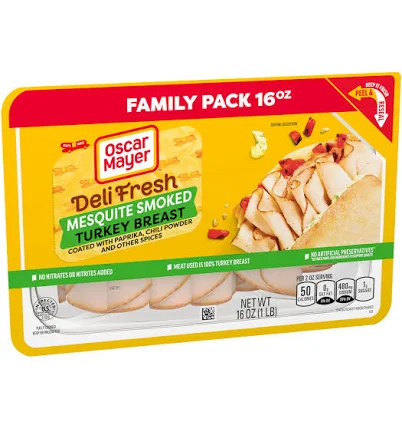
Oscar Mayer · Deli Meat & Cold Cuts Packaging
Oscar Mayer Deli Fresh Smoked Turkey Breast
Low visibility on deli meat packaging materials; assume grease-resistant coating absent, but no public confirmation.
Oscar Mayer does not publicly disclose PFAS-related treatments in this product's multilayer plastic packaging. Deli meat packages typically use grease-resistant coatings less often than dry goods, but cannot be confirmed without brand transparency.
The better-graded swap
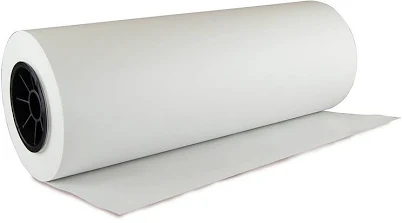
LEM
LEM 15" Freezer Paper Cutter
80/100 safety
Same rubric that flunked this product. The swap earned Excellent.
Still want this one anyway? Check the price on Amazon. We’d swap it.
Material
plastic film/multilayer packaging
Brand disclosure
Brand is silent on PFAS
Lab data
No public lab test
You may also be interested in
Top-graded picks in the categories readers replace first, every one scored on the same rubric.

- polypropylene filter housing, carbon/sediment cartridge
- We found no PFAS statement from the brand
- Bacterial growth in spent cartridges
3 hazards checked on this product, all on its full breakdown.

Aquasure
Premier Series 75 GPD Under Sink Reverse Osmosis Water Filtration System
- RO membrane, carbon filters, stainless steel housing
- We found no PFAS statement from the brand
- Bacterial and microbial growth in housing and filters
4 hazards checked on this product, all on its full breakdown.

Avocado
Vegan Mattress
- organic cotton, natural latex, coconut coir, recycled steel coils
- The brand calls it PFAS-free, which we have not verified
- Heavy metals
2 hazards checked on this product, all on its full breakdown.
What Oscar Mayer Deli Fresh Turkey Breast is made of, ingredients and materials
Oscar Mayer Deli Fresh Smoked Turkey Breast comes in multilayer plastic film typical of refrigerated deli meat packaging, usually polyester (PET) outer layer bonded to polyethylene (PE) or polypropylene (PP) for seal and food contact. This construction minimizes direct chemical transfer to the product because the innermost layer is non-reactive PE or PP, which does not leach BPA or phthalates under refrigerated conditions. The multilayer design is chosen precisely to isolate the food from the more chemically complex outer layers while maintaining oxygen barrier and shelf life.
What’s concerning
Category baseline
The starting point for this type of product, before anything specific to this product is counted.
No PFAS disclosure
No public statement from the brand about PFAS in this product.
Phthalates
Some polyester outer layers may contain phthalate plasticizers for flexibility, but these are not food-contact surfaces under normal use. Refrigerated storage does not promote migration. Risk is theoretical and unmeasured for this specific product.
Source, ATSDR ↗Volatile organic compounds (VOCs) off-gassing
Ink and adhesives in multilayer construction may emit trace VOCs, especially if packaging is exposed to warm ambient temperatures before purchase. Once refrigerated, off-gassing is minimal. Odor on opening is normal and does not indicate a safety hazard.
What’s reassuring
Base material not linked to PFAS
The main material recorded for this product is not one associated with PFAS.
BPA & bisphenols
Modern multilayer deli meat films do not intentionally use polycarbonate or epoxy-lined materials; PE and PP contact layers are inherently BPA-free. No public reports of BPA migration from Oscar Mayer deli packaging.
Source, FDA ↗Microplastics
Deli meat films are robust under refrigeration and short shelf life (3-5 days open); fragmentation into the product is not a documented failure mode. Long-term freezer storage or reuse could degrade film integrity, but this product is not intended for such use.
Source, EPA ↗PFAS
Deli meat products are refrigerated and do not require grease-resistant barriers during normal storage; traditional PFAS Teflon-family coating coatings are not used in cold-cut packaging as commonly as in cookware or pastry wrappers. Public evidence of PFAS in Oscar Mayer deli film is absent.
Source, ATSDR ↗How is this PFAS grade calculated?
The brand's record and disclosure
Oscar Mayer (owned by Kraft Heinz) has not made prominent public commitments on deli meat packaging chemistry or PFAS reduction, but also has no documented safety recalls or hazard findings specific to this product's film. The brand operates under general FDA compliance for food-contact materials, meaning all layers meet migration limits for regulated substances. No independent testing of this specific packaging has been published in peer-reviewed sources or consumer reports, so assertions rest on material-class norms rather than product-specific audit.
How it compares in its category
Deli meat packaging across brands (Boar's Head, Hormel, store brands) uses virtually identical multilayer film chemistry; Oscar Mayer is neither a leader in transparency nor an outlier in chemical risk. Some premium or natural brands use compostable or paper-based overwrap, but the core plastic contact layer remains similar. The real differentiation in deli meat safety lies in the cured meat itself (sodium nitrite, salt content, preservatives), not packaging hazard, making packaging risk negligible relative to product composition.
If you buy it
Store in refrigerator at 40 F or below and consume within 3-5 days of opening, per label guidance; do not heat the product inside the closed plastic package. If you wish to warm slices, transfer to a ceramic or glass plate first. The plastic film is not designed for freezer storage beyond a few weeks due to brittleness risk. Discard packaging immediately after use; multilayer film is not recyclable in standard programs and is disposed as landfill or incineration waste.
What is not known about PFAS in this product?
- Basis
- Model estimate, 35% confidence, not a lab result
- Lab test
- None on record for this exact product
- Brand statement
- Oscar Mayer has made none
Formulations change between production runs, so check the current label. How we grade.
What are the PFAS-free alternatives to Oscar Mayer Deli Fresh Smoked Turkey Breast?
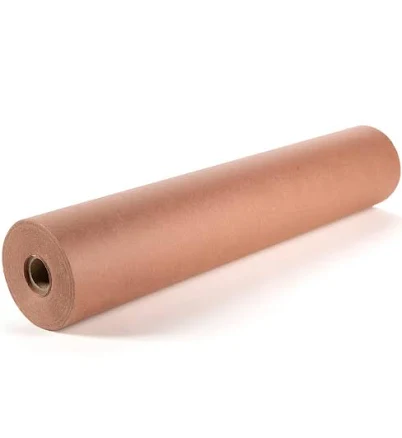
IDL Packaging
White Butcher Paper 18" x 12000" Natural Butcher Paper Roll for Meat and Fish
- natural kraft butcher paper, no coating specified
- The brand calls it PFAS-free, which we have not verified
- Bleach residue and chlorine compounds
2 hazards checked on this product, all on its full breakdown.
- stainless steel blade, bare metal construction
- We found no PFAS statement from the brand
- Blade degradation and metal particle shedding
2 hazards checked on this product, all on its full breakdown.
More deli meat & cold cuts packaging grades
How we score, every product runs through the same public 0-100 rubric based on materials, coatings, brand disclosure, lab findings, and recalls. See the full methodology → Spotted a mistake? Report an error.