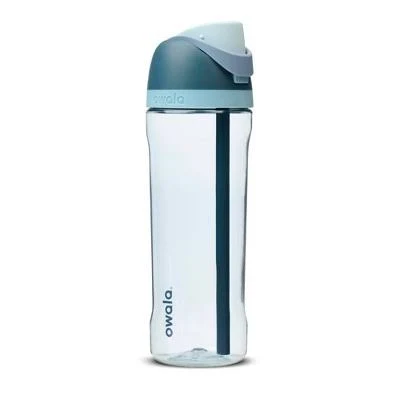
Owala · Portable Water Bottles
Owala 25-oz FreeSip Tritan
Lower risk; Tritan has no known PFAS use.
Owala FreeSip uses Tritan, a BPA-free copolyester with no documented PFAS content. The brand doesn't disclose PFAS testing, but the material itself poses lower risk than coated or treated products.
We flunk more products than we pass. This one earned its grade. How we grade
Material
Tritan copolyester (BPA-free plastic)
Lab data
No public lab test
You may also be interested in
Top-graded picks in the categories readers replace first, every one scored on the same rubric.

- polypropylene filter housing, carbon/sediment cartridge
- We found no PFAS statement from the brand
- Bacterial growth in spent cartridges
3 hazards checked on this product, all on its full breakdown.

Aquasure
Premier Series 75 GPD Under Sink Reverse Osmosis Water Filtration System
- RO membrane, carbon filters, stainless steel housing
- We found no PFAS statement from the brand
- Bacterial and microbial growth in housing and filters
4 hazards checked on this product, all on its full breakdown.

Avocado
Vegan Mattress
- organic cotton, natural latex, coconut coir, recycled steel coils
- The brand calls it PFAS-free, which we have not verified
- Heavy metals
2 hazards checked on this product, all on its full breakdown.
What Owala 25-oz FreeSip Tritan is made of, ingredients and materials
Owala FreeSip uses Tritan copolyester, a BPA-free and BPS-free plastic developed specifically to avoid bisphenol compounds that mimic estrogen in the body. Tritan does not contain Teflon-type coating (Teflon) coatings, eliminating fume-inhalation risk from degraded non-stick surfaces. The material is certified by NSF International for food contact and has no known history of leaching endocrine disruptors under normal use conditions, including cold water storage and moderate dishwasher cycles.
What’s concerning
Category baseline
The starting point for this type of product, before anything specific to this product is counted.
No PFAS disclosure
No public statement from the brand about PFAS in this product.
Microplastics
Repeated dishwasher cycles and hot water contact may cause microscopic plastic particles to shed over many years, though this is common to all plastic vessels and Tritan is more resistant to degradation than PET.
Source, EPA ↗Lid gasket or valve bacterial colonization
Owala FreeSip lids contain rubber gaskets and a silicone valve that can harbor mold or bacteria if not dried fully. This is a maintenance issue, not a material defect, and is preventable with proper care.
What’s reassuring
Base material not linked to PFAS
The main material recorded for this product is not one associated with PFAS.
BPA & bisphenols
Tritan copolyester is explicitly formulated to exclude bisphenol A and S. No published studies document leaching of these compounds from Tritan bottles under normal use.
Source, FDA ↗Phthalate plasticizers
Tritan does not require phthalates for flexibility and clarity; the material structure itself provides durability without these softeners.
Teflon-type coating off-gassing and fume inhalation
FreeSip has no non-stick coating; this hazard does not apply to plain Tritan bottles.
How is this PFAS grade calculated?
The brand's record and disclosure
Owala (owned by Helen of Troy Limited) has not publicly released detailed PFAS testing data, but the company markets Tritan as having lower concern and carries NSF certification for the FreeSip line, which requires third-party verification of material properties. No recalls or documented safety complaints specific to chemical leaching have been issued for this product. The brand does not voluntarily disclose PFOA or PFOS testing, leaving room for improved transparency, but the absence of reported problems in a widely sold consumer product suggests low real-world risk.
How it compares in its category
The FreeSip Tritan bottle sits in the middle of the reusable drinkware market, with lower concern than older polycarbonate bottles (which contained BPA) but without the testing depth of glass or stainless steel alternatives. Unlike filtered water bottles (Brita, PUR), the Owala FreeSip is a plain storage vessel with no filter cartridge or bacterial colonization risk from standing water in filter media. It offers durability and cold-beverage performance comparable to other Tritan-based bottles like Contigo without premium pricing.
If you buy it
Keep it out of direct sunlight and away from very hot liquids above 100 degrees Fahrenheit, as prolonged heat can accelerate minor plastic degradation. Hand-wash when possible; the lid gasket can retain odors and bacteria if not dried fully after dishwasher cycles. Replace the bottle every 2-3 years or if the plastic becomes visibly cloudy, cracked, or develops persistent odors that do not wash out. Do not refill it with hot water immediately after purchase; allow 24 hours for any residual manufacturing volatiles to off-gas.
What is not known about PFAS in this product?
- Basis
- Model estimate, 72% confidence, not a lab result
- Lab test
- None on record for this exact product
- Brand statement
- Owala has made a specific claim
Formulations change between production runs, so check the current label. How we grade.
What are the PFAS-free alternatives to Owala 25-oz FreeSip Tritan?
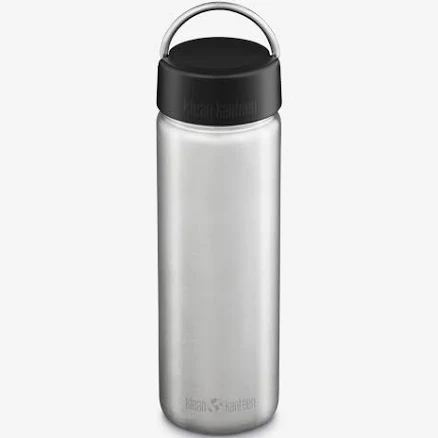
- 18/8 stainless steel, no interior coating
- The brand calls it PFAS-free, which we have not verified
- Cap or closure contamination
2 hazards checked on this product, all on its full breakdown.
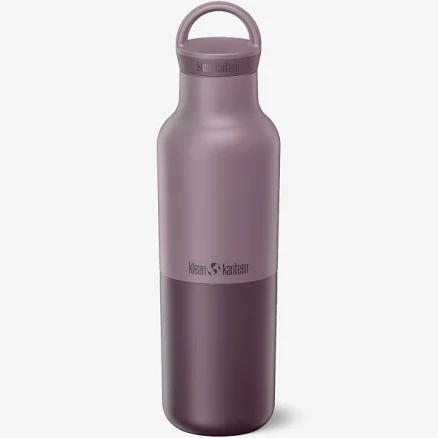
- stainless steel body, foam insulation, stainless steel cap
- The brand calls it PFAS-free, which we have not verified
- Cap gasket and seal contamination
- Stainless steel body, no coating disclosed
- We found no PFAS statement from the brand
- Bacterial or mold growth in storage
3 hazards checked on this product, all on its full breakdown.
More portable water bottles grades
How we score, every product runs through the same public 0-100 rubric based on materials, coatings, brand disclosure, lab findings, and recalls. See the full methodology → Spotted a mistake? Report an error.