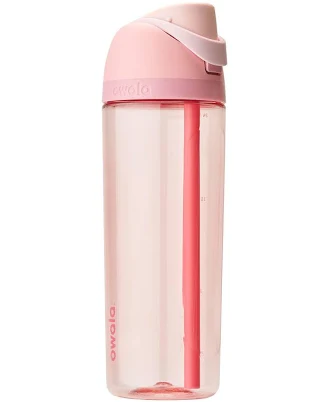
Owala · Portable Water Bottles
Owala FreeSip Tritan Sports Water Bottle
Lower concern. Tritan copolyester is not a material linked to PFAS.
The bottle body is Tritan copolyester plastic, a material not associated with PFAS. Owala has no PFAS statement on record for this product. No water-repellent coating or treatment was disclosed.
We flunk more products than we pass. This one earned its grade. How we grade
Material
Tritan copolyester plastic (bottle body)
Lab data
No public lab test
You may also be interested in
Top-graded picks in the categories readers replace first, every one scored on the same rubric.

- polypropylene filter housing, carbon/sediment cartridge
- We found no PFAS statement from the brand
- Bacterial growth in spent cartridges
3 hazards checked on this product, all on its full breakdown.

Aquasure
Premier Series 75 GPD Under Sink Reverse Osmosis Water Filtration System
- RO membrane, carbon filters, stainless steel housing
- We found no PFAS statement from the brand
- Bacterial and microbial growth in housing and filters
4 hazards checked on this product, all on its full breakdown.

Avocado
Vegan Mattress
- organic cotton, natural latex, coconut coir, recycled steel coils
- The brand calls it PFAS-free, which we have not verified
- Heavy metals
2 hazards checked on this product, all on its full breakdown.
What Owala FreeSip Tritan Sports Water Bottle is made of, ingredients and materials
The Owala FreeSip uses Tritan copolyester, a BPA- and BPS-free plastic engineered to resist degradation from heat, UV, and acidic liquids. Unlike polycarbonate or older acrylics, Tritan does not leach estrogen-mimicking compounds into beverages, even under normal use and minor heating. The lid and valve components are typically polypropylene or silicone, both stable materials at typical beverage temperatures. This material choice is the primary safety advantage of this product category.
What’s concerning
Category baseline
The starting point for this type of product, before anything specific to this product is counted.
No PFAS disclosure
No public statement from the brand about PFAS in this product.
Microplastics
All plastics shed micro-particles as they degrade, especially with thermal cycling, scratches, and UV exposure. Tritan is durable but not immune; risk increases after 2-3 years of regular use and accelerates if stored hot or in direct sunlight.
Source, EPA ↗Bacterial growth in valve or lid crevices
The FreeSip's flip-cap and drinking valve design creates small spaces where moisture and biofilm can accumulate if not cleaned regularly. This is a maintenance issue, not a material toxicity issue, but poses mild hygiene risk if bottle is left damp for days.
What’s reassuring
Base material not linked to PFAS
The main material recorded for this product is not one associated with PFAS.
Lid/valve seal material leachables (silicone or elastomer additives)
Owala does not publicly disclose the exact composition of gasket and valve materials. Silicone and rubber seals are generally stable, but proprietary additives or colorants are not documented; no independent testing of lid components for this model has been published.
Manufacturing residues or solvent traces in new bottles
No recalls or documented chemical contamination of new Owala bottles have been reported. Initial rinse before first use is standard practice and recommended for all plastic bottles to clear any production dust or mold-release residue.
How is this PFAS grade calculated?
The brand's record and disclosure
Owala does not publish explicit third-party safety certifications or detailed material sourcing statements on this bottle. The company makes no public claim about PFAS avoidance, though Tritan's inherent chemistry excludes it. No recalls, contamination incidents, or independent test failures have been documented for the FreeSip line. Brand transparency on material origin and manufacturing standards is limited compared to some competitors.
How it compares in its category
The FreeSip sits in the mid-market sports bottle segment. Tritan is more durable and heat-stable than standard polycarbonate alternatives, and avoids known endocrine disruptors present in older plastic formulations. Compared to glass or stainless steel bottles, it carries minimal chemical leaching risk but requires eventual replacement as plastic degrades microscopically over years. It is broadly comparable in safety profile to other Tritan-based bottles (e.g., Contigo, Rubbermaid Brilliance) and superior to polycarbonate or recycled plastic bottles.
If you buy it
Do not expose the bottle to prolonged heat above 85 degrees Celsius (185 Fahrenheit) or place it in dishwashers consistently, as accelerated polymer aging can occur. Inspect the bottle and valve every 6-12 months for cracks, cloudiness, or permanent discoloration, which signal degradation. Rinse thoroughly after use with acidic beverages (citrus, soda, vinegar) and do not store hot water longer than a few hours. Replace the bottle if the plastic becomes visibly brittle or the valve leaks persistently.
What is not known about PFAS in this product?
- Basis
- Model estimate, 72% confidence, not a lab result
- Lab test
- None on record for this exact product
- Brand statement
- Owala has made a specific claim
Formulations change between production runs, so check the current label. How we grade.
What are the PFAS-free alternatives to Owala FreeSip Tritan Sports Water Bottle?
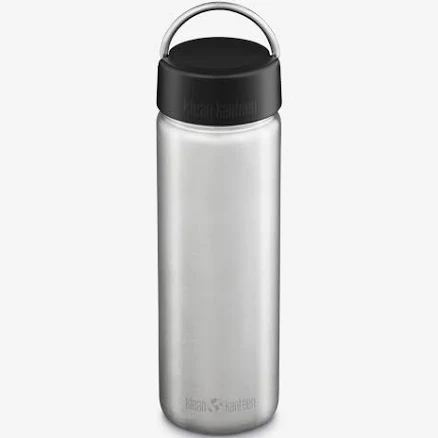
- 18/8 stainless steel, no interior coating
- The brand calls it PFAS-free, which we have not verified
- Cap or closure contamination
2 hazards checked on this product, all on its full breakdown.
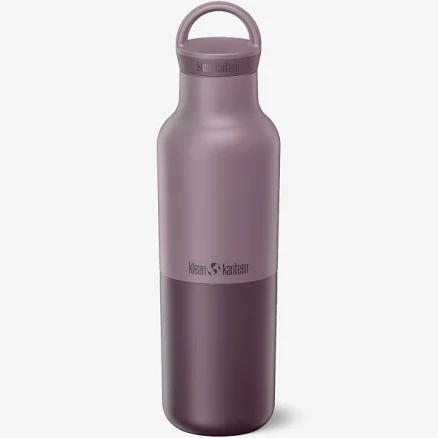
- stainless steel body, foam insulation, stainless steel cap
- The brand calls it PFAS-free, which we have not verified
- Cap gasket and seal contamination
- Stainless steel body, no coating disclosed
- We found no PFAS statement from the brand
- Bacterial or mold growth in storage
3 hazards checked on this product, all on its full breakdown.
More portable water bottles grades
How we score, every product runs through the same public 0-100 rubric based on materials, coatings, brand disclosure, lab findings, and recalls. See the full methodology → Spotted a mistake? Report an error.