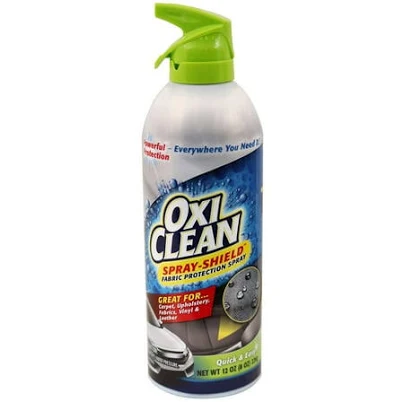
OxiClean · Fabric Stain Guard Sprays
Hopkins Oxi-Clean Fabric Shield Protectant
Skip. Opaque spray formulation makes PFAS risk impossible to determine.
OxiClean fabric protectant lacks ingredient transparency and PFAS clarity. Fabric protectants commonly use fluorinated water-repellent chemistry without manufacturer confirmation.
Still want this one anyway? Check the price on Amazon. We’d swap it.
Material
fabric protectant spray coating
Lab data
No public lab test
What Hopkins Oxi-Clean Fabric Shield Protectant is made of, ingredients and materials
Fabric Shield is a water-based spray coating designed to create a protective barrier on upholstery and textiles against stains and water damage. OxiClean does not publicly disclose the full ingredient list or mechanism of protection (whether it uses fluorinated compounds, silicone-based polymers, or other film-formers). The opacity around the active ingredients makes it difficult to assess whether water-repellency relies on PFAS-class compounds, which are common in fabric protectants but persistent environmental contaminants.
What’s concerning
Category baseline
The starting point for this type of product, before anything specific to this product is counted.
Vague safety claims only
Uses vague language ("eco-friendly", "clean") without a specific PFAS statement.
Waterproof / stain-resistant treatment
Water-repellent coating treatments have historically used PFAS.
PFAS
Ingredient list is not fully disclosed; if the product uses traditional fluorinated polymer chemistry for water-repellency, PFAS exposure risk exists but is not confirmed by OxiClean. Spray application may create inhalation exposure during use.
Source, ATSDR ↗Volatile organic compounds (VOC) / solvent off-gassing
Water-based formulation suggests lower VOC content than solvent-based alternatives, but residual propellants or co-solvents in spray form may cause transient odor or respiratory irritation in poorly ventilated spaces. No specific VOC data is published.
Inhalation hazard from spray particles
All fabric protectant sprays carry inherent inhalation risk during application if directions to ventilate are not followed. Repeated or unventilated use increases exposure; no product-specific incident data exists but is a category-level concern.
Skin and eye contact irritation
Product is not designed for skin contact. Standard precautions (gloves, eye protection) are recommended per typical safety warnings; no published adverse event reports specific to this formulation.
PFAS
If the active ingredient is a fluorinated compound, it may accumulate in the body and environment over time through repeated exposures or treated fabric shedding. This risk is indirect but is the primary reason for the 'care' rather than 'buy' verdict.
Source, ATSDR ↗The full breakdown
The brand's record and disclosure
OxiClean (owned by Church & Dwight) has not made public commitments to phase out PFAS or to voluntarily disclose fluorinated compound use in fabric protectants. The brand's safety communication focuses on general-use warnings and does not address persistent or bioaccumulative chemical concerns. No product-specific recalls or safety incidents are on record for this formulation, but the lack of ingredient transparency is the core issue.
How it compares in its category
Fabric protectant sprays vary widely in chemistry; some brands now explicitly use PFAS-free formulations (e.g., silicone-based or plant-derived alternatives), while many do not disclose. OxiClean Fabric Shield sits in the middle of the market transparency spectrum, it is a mass-market product without the environmental commitment messaging of premium eco-brands, but also without documented PFAS exposure incidents like some older formulations. Alternatives exist that state PFAS-free status explicitly.
If you buy it
Apply only in well-ventilated areas and avoid inhalation of spray mist. Test on a hidden corner of fabric first to check for discoloration or residue buildup. Reapplication may be needed seasonally depending on fabric use and washing frequency. Store in a cool, dry place away from children and pets; do not spray directly on skin or near food preparation surfaces.
What we don’t know
- Basis
- Model estimate, 35% confidence, not a lab result
- Lab test
- None on record for this exact product
- Brand statement
- OxiClean has made a specific claim
Formulations change between production runs, so check the current label. How we grade.
Better-graded alternatives in Fabric Stain Guard Sprays
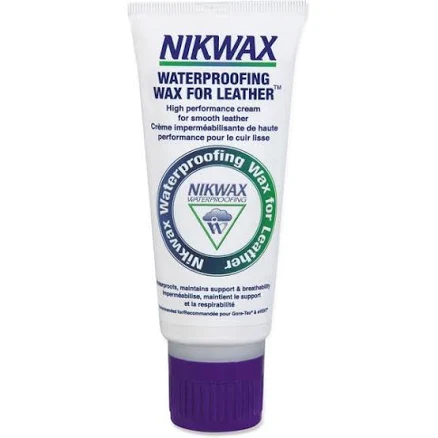
Nikwax
Waterproofing Wax for Leather
- wax-based waterproofing
- The brand calls it PFAS-free, which we have not verified
- Respiratory irritation or fume inhalation during application
2 hazards checked on this product. See all of them.
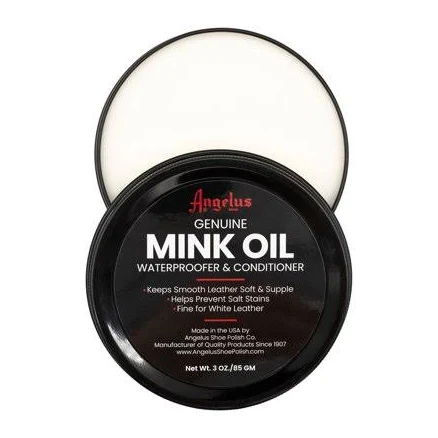
Angelus
Mink Oil Paste Leather Waterproofer and Contitioner 3 oz
- mink oil paste, natural oil-based conditioner
- We found no PFAS statement from the brand
- Microbial growth (natural oil rancidity)
2 hazards checked on this product. See all of them.
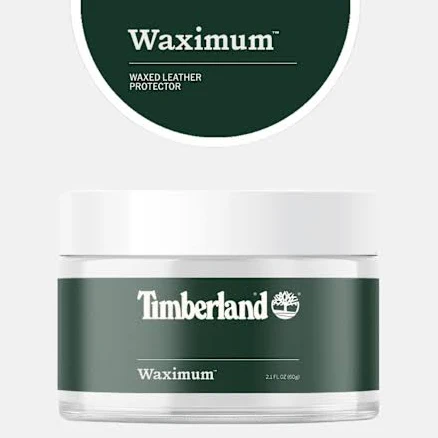
Timberland
Waximum Waxed Leather Protector
- Wax-based leather protector
- We found no PFAS statement from the brand
- Volatile organic compounds (VOCs) from solvents
3 hazards checked on this product. See all of them.
More fabric stain guard sprays grades
How we score, every product runs through the same public 0-100 rubric based on materials, coatings, brand disclosure, lab findings, and recalls. See the full methodology → Spotted a mistake? Report an error.