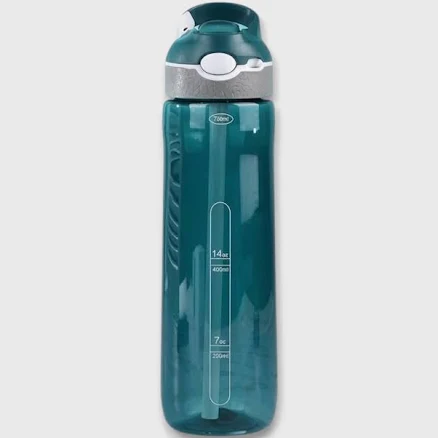
Filtered Hiking Water Bottle
Lower concern for bottle; filter cartridge composition unclear.
Plastic bottle with activated carbon and membrane filtration make up this hiking bottle. Carbon filters typically avoid PFAS.
We flunk more products than we pass. This one earned its grade. How we grade
Material
Plastic bottle with activated carbon and membrane filter
Brand disclosure
Brand is silent on PFAS
Lab data
No public lab test
You may also be interested in
Top-graded picks in the categories readers replace first, every one scored on the same rubric.

- polypropylene filter housing, carbon/sediment cartridge
- We found no PFAS statement from the brand
- Bacterial growth in spent cartridges
3 hazards checked on this product, all on its full breakdown.

Aquasure
Premier Series 75 GPD Under Sink Reverse Osmosis Water Filtration System
- RO membrane, carbon filters, stainless steel housing
- We found no PFAS statement from the brand
- Bacterial and microbial growth in housing and filters
4 hazards checked on this product, all on its full breakdown.

Avocado
Vegan Mattress
- organic cotton, natural latex, coconut coir, recycled steel coils
- The brand calls it PFAS-free, which we have not verified
- Heavy metals
2 hazards checked on this product, all on its full breakdown.
What Filtered Hiking Water Bottle is made of, ingredients and materials
The brand's filtered bottle combines a plastic vessel (likely polypropylene or similar food-grade resin) with an activated carbon filter cartridge and membrane layer. Polypropylene is a relatively stable plastic with low leaching risk under normal use conditions, though the filter cartridge's exact polymer composition is not publicly disclosed, which limits independent assessment of degradation pathways. The activated carbon itself is a benign filtering medium, but the adhesives and backing materials in the membrane assembly are opaque to consumer review.
What’s concerning
Category baseline
The starting point for this type of product, before anything specific to this product is counted.
No PFAS disclosure
No public statement from the brand about PFAS in this product.
Bacterial growth in filter housing if maintenance neglected
Activated carbon filters are excellent culture media for bacteria and mold if not replaced regularly or if water sits stagnant. The bottle's sealed design can trap moisture, accelerating biofilm on the membrane. This risk is mitigated by disciplined cartridge replacement and proper storage (empty or refrigerated), but casual users may face pathogen exposure.
Filter cartridge material composition unknown
The adhesives, backing layers, and support structures in the filter assembly are not disclosed. Without knowing if these include BPA-based plastics, epoxy resins, or other binders, consumer assessment of leaching risk is incomplete. Premium competitors provide this data; The brand does not.
Plastic bottle leaching under stress or UV exposure
Polypropylene is stable under normal conditions but can degrade if exposed to prolonged sunlight or mechanical stress (crushing, freezing). Hiking bottles are often sun-exposed and temperature-cycled; degradation can increase plastic particle and monomer release into filtered water.
Filter effectiveness and contaminant breakthrough not independently verified
The brand does not publish removal rates for specific contaminants (bacteria, protozoa, chemicals). Without third-party NSF certification or equivalent testing, filter performance claims cannot be independently confirmed. Users filtering questionable water sources may have false confidence in contamination removal.
Membrane clogging reducing flow and encouraging stagnation
Over-extended cartridge life or poor-quality source water can clog the membrane, slowing flow. Users may then leave water in the bottle longer to achieve desired volume, increasing stagnation time and bacterial multiplication risk.
What’s reassuring
Base material not linked to PFAS
The main material recorded for this product is not one associated with PFAS.
How is this PFAS grade calculated?
The brand's record and disclosure
The brand provides minimal material safety documentation for this product beyond basic usage instructions. The brand has not published third-party testing data, material certifications (such as NSF or FDA compliance statements), or filter cartridge composition sheets. No significant recalls tied to this specific filtered bottle model appear in public safety databases, but the lack of proactive disclosure suggests a compliance-minimum rather than transparency-first approach.
How it compares in its category
Filtered hiking bottles occupy a middle tier, cheaper than premium brands (LifeStraw, Grayl) with less published safety data, but designed for the same use case as higher-end competitors. Most bottles in this segment use activated carbon and micron membranes; The brand's design is conventional and not notably superior or inferior on material selection alone. The trade-off is price versus documentation, premium filters typically provide cartridge composition and replacement intervals; budget options often do not.
If you buy it
Replace filter cartridges on the schedule provided (typically every 2-4 months for typical hiking use) to prevent bacterial biofilm accumulation in the filter housing. Do not leave the bottle filled and sealed for extended periods between trips; store empty or refrigerate if water sits longer than 24 hours. Avoid hot water (above 40°C / 104°F) as this can stress the plastic vessel and potentially affect filter integrity. Inspect the filter cartridge monthly for visible mold, discoloration, or odor; if present, discard immediately.
What is not known about PFAS in this product?
- Basis
- Model estimate, 72% confidence, not a lab result
- Lab test
- None on record for this exact product
- Brand statement
- has made none
Formulations change between production runs, so check the current label. How we grade.
What are the PFAS-free alternatives to Filtered Hiking Water Bottle?
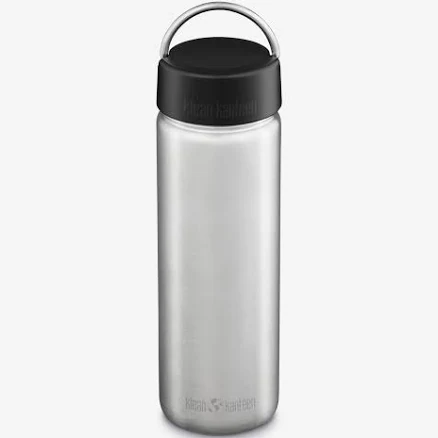
- 18/8 stainless steel, no interior coating
- The brand calls it PFAS-free, which we have not verified
- Cap or closure contamination
2 hazards checked on this product, all on its full breakdown.
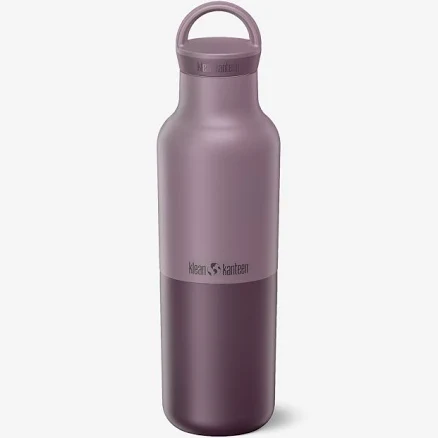
- stainless steel body, foam insulation, stainless steel cap
- The brand calls it PFAS-free, which we have not verified
- Cap gasket and seal contamination
- Stainless steel body, no coating disclosed
- We found no PFAS statement from the brand
- Bacterial or mold growth in storage
3 hazards checked on this product, all on its full breakdown.
More portable water bottles grades
How we score, every product runs through the same public 0-100 rubric based on materials, coatings, brand disclosure, lab findings, and recalls. See the full methodology → Spotted a mistake? Report an error.