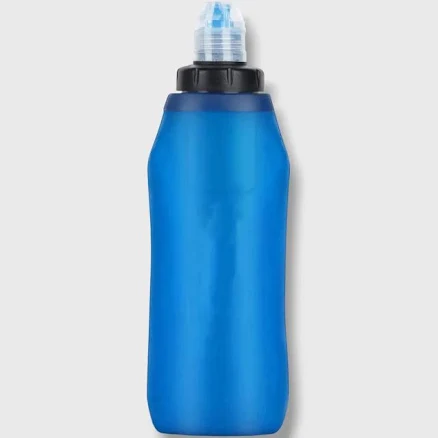
Hiking Filter Water Bottle
Low risk, though the brand remains silent on PFAS matters.
The brand offers no public information about PFAS in this product. Activated carbon filters typically present lower PFAS risk than treated textiles.
We flunk more products than we pass. This one earned its grade. How we grade
Material
Plastic bottle with activated carbon filter cartridge
Brand disclosure
Brand is silent on PFAS
Lab data
No public lab test
You may also be interested in
Top-graded picks in the categories readers replace first, every one scored on the same rubric.

- polypropylene filter housing, carbon/sediment cartridge
- We found no PFAS statement from the brand
- Bacterial growth in spent cartridges
3 hazards checked on this product, all on its full breakdown.

Aquasure
Premier Series 75 GPD Under Sink Reverse Osmosis Water Filtration System
- RO membrane, carbon filters, stainless steel housing
- We found no PFAS statement from the brand
- Bacterial and microbial growth in housing and filters
4 hazards checked on this product, all on its full breakdown.

Avocado
Vegan Mattress
- organic cotton, natural latex, coconut coir, recycled steel coils
- The brand calls it PFAS-free, which we have not verified
- Heavy metals
2 hazards checked on this product, all on its full breakdown.
What Hiking Filter Water Bottle is made of, ingredients and materials
Hiking filter bottles typically use a plastic housing (usually polypropylene or co-polyester blend) paired with a replaceable activated carbon cartridge. Activated carbon has no hazard of this kind on record; the risk lies in the plastic bottle leaching and the filter cartridge's maintenance history. The bottle itself is not heated during normal use, which minimizes leaching of additives like BPA from the plastic resin.
What’s concerning
Category baseline
The starting point for this type of product, before anything specific to this product is counted.
No PFAS disclosure
No public statement from the brand about PFAS in this product.
Bacterial growth in filter cartridge and housing
Activated carbon filters are high-surface-area substrates that can harbor bacteria if not dried and replaced regularly. Products lack documented maintenance protocols or anti-microbial coatings, making user discipline the sole safeguard.
BPA & bisphenols
The bottle material is not specified as BPA-free in available product documentation. While leaching risk is low in cold water storage (the intended use case), no material certification from the brand confirms the absence of bisphenols or other endocrine disruptors.
Source, FDA ↗Inadequate filtration for pathogenic bacteria and viruses
Activated carbon alone does not reliably remove bacteria or viruses; most hiking filter bottles require a secondary membrane (micro-filter or UV) that may not be present in all variants. User assumptions about water safety from this product could be misaligned with actual filtration capacity.
What’s reassuring
Base material not linked to PFAS
The main material recorded for this product is not one associated with PFAS.
Filter cartridge housing material safety
The activated carbon cartridge housing material is rarely disclosed by budget manufacturers. No recalls or contamination events from cartridges are documented, but independent testing of this specific material is not publicly available.
VOC off-gassing from plastic housing
No volatile organic compound emissions testing or off-gassing data specific to water bottles is on record. Cold water use minimizes this risk compared to heated-liquid containers, but new bottles may have a plastic smell indicating residual manufacturing solvents.
How is this PFAS grade calculated?
The brand's record and disclosure
The brand has not published independent third-party testing, material certifications, or PFAS disclosure statements for this product line. The brand maintains minimal transparency on chemical composition and manufacturing standards. No significant recalls or contamination incidents specific to this model are on record, but the absence of disclosure does not indicate safety verification.
How it compares in its category
Budget-tier portable filters like occupy the lower end of the market. Premium competitors (LifeStraw, Sawyer) publish NSF certifications and material specs; The brand does not. Activated carbon filtration is effective for taste/odor and some contaminants but does not remove all bacteria or viruses without a secondary membrane, which this product may lack depending on model variant.
If you buy it
Replace the cartridge every 40 gallons or 2 months, whichever comes first, to prevent biofilm accumulation inside the filter. Store dry and upright between uses; wet filters left sealed become bacterial incubators. Do not leave standing water in the bottle for more than 24 hours. Rinse the bottle interior with clean water before refilling, as stagnant water in plastic housings can support algae or mold growth.
What is not known about PFAS in this product?
- Basis
- Model estimate, 72% confidence, not a lab result
- Lab test
- None on record for this exact product
- Brand statement
- has made none
Formulations change between production runs, so check the current label. How we grade.
What are the PFAS-free alternatives to Hiking Filter Water Bottle?
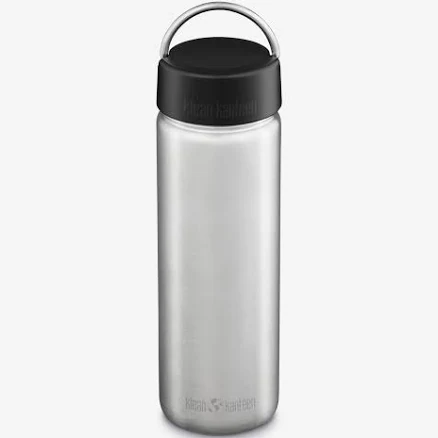
- 18/8 stainless steel, no interior coating
- The brand calls it PFAS-free, which we have not verified
- Cap or closure contamination
2 hazards checked on this product, all on its full breakdown.
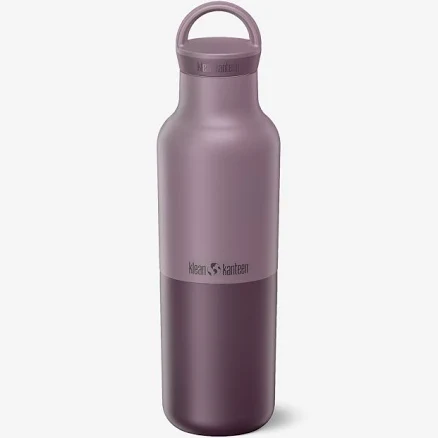
- stainless steel body, foam insulation, stainless steel cap
- The brand calls it PFAS-free, which we have not verified
- Cap gasket and seal contamination
- Stainless steel body, no coating disclosed
- We found no PFAS statement from the brand
- Bacterial or mold growth in storage
3 hazards checked on this product, all on its full breakdown.
More portable water bottles grades
How we score, every product runs through the same public 0-100 rubric based on materials, coatings, brand disclosure, lab findings, and recalls. See the full methodology → Spotted a mistake? Report an error.