Coconut Probiotic Mineral Face Stick SPF 50
Mineral stick formula suggests lower PFAS concern; waterproofing not disclosed.
Pacifica's mineral cosmetics typically use inherent mineral pigments rather than fluorinated coatings. SPF 50 waterproofing source is undisclosed, which creates minor uncertainty.
The better-graded swap
Earth Mama
Baby Face Mineral Sunscreen Stick SPF 40
100/100 safety
Same rubric that flunked this product. The swap earned Excellent.
Still want this one anyway? Check the price on Amazon. We’d swap it.
Material
mineral pigments, coconut oil, SPF 50 active (likely mineral UV blockers)
Brand disclosure
Brand is silent on PFAS
Lab data
No public lab test
You may also be interested in
Top-graded picks in the categories readers replace first, every one scored on the same rubric.

- polypropylene filter housing, carbon/sediment cartridge
- We found no PFAS statement from the brand
- Bacterial growth in spent cartridges
3 hazards checked on this product, all on its full breakdown.

Aquasure
Premier Series 75 GPD Under Sink Reverse Osmosis Water Filtration System
- RO membrane, carbon filters, stainless steel housing
- We found no PFAS statement from the brand
- Bacterial and microbial growth in housing and filters
4 hazards checked on this product, all on its full breakdown.

Avocado
Vegan Mattress
- organic cotton, natural latex, coconut coir, recycled steel coils
- The brand calls it PFAS-free, which we have not verified
- Heavy metals
2 hazards checked on this product, all on its full breakdown.
What Coconut Probiotic Mineral Face Stick SPF is made of, ingredients and materials
This product combines coconut oil as the base with mineral UV active ingredients (likely zinc oxide or titanium dioxide) and mineral pigments for color. Mineral sunscreen actives do not carry the endocrine-disruption risk of chemical UV absorbers like oxybenzone. Coconut oil itself is not a known hazard source, though it is comedogenic for some skin types. The mineral pigment sources and any dispersants used in formulation are the primary concern areas for this product category.
What’s concerning
Waterproof / stain-resistant treatment
Water-repellent coating treatments have historically used PFAS.
Category baseline
The starting point for this type of product, before anything specific to this product is counted.
No PFAS disclosure
No public statement from the brand about PFAS in this product.
Heavy metals
Mineral stick formulas rely on iron oxides, mica, or other mineral pigments for color. If sourcing controls are lax, iron oxide or mica batches can carry trace lead or cadmium. Pacifica does not publicly disclose pigment supplier audits or batch testing.
Source, FDA ↗Fragrance allergens
Coconut-scented formulas often include fragrance compounds to enhance the coconut oil experience. Undisclosed fragrance allergens (limonene, linalool, geraniol) can trigger contact dermatitis in sensitive individuals. Full fragrance ingredient breakdown is not always listed.
Teflon-type coating or other non-stick additives in mineral base
Mineral sticks sometimes incorporate silicones or other slip agents to improve application. No disclosure from Pacifica confirms or denies inclusion of Teflon-type coating or similar compounds, which would carry inhalation risk during application if present as powder residue.
What’s reassuring
Formaldehyde / VOCs
No formaldehyde-releasing preservatives or formaldehyde itself are standard in coconut oil-based mineral sunsticks. Unlikely hazard for this formulation type, but ingredient list review at purchase is the only confirmation.
Source, ATSDR ↗Talc contamination
Mineral sticks typically use mica rather than talc, but some budget formulas substitute talc to reduce cost. Pacifica is not known to use talc in this line, but no public statement rules it out.
How is this PFAS grade calculated?
The brand's record and disclosure
Pacifica is known for emphasizing natural and cruelty-free positioning but has not published comprehensive ingredient sourcing transparency or third-party testing results in publicly available statements. The brand does not disclose PFAS testing or mitigation strategies, despite mineral stick formats sometimes using water-repellent additives. No major safety recalls specific to this product line are on record. Pacifica's parent company ownership and supply-chain auditing details are not prominently disclosed.
How it compares in its category
Mineral sunsticks are generally lower-risk than chemical sunscreen formulas in terms of systemic absorption and hormone-linked concerns. However, they are not categorically safer; hazard depends entirely on pigment sourcing, additives, and manufacturing controls. Many direct competitors (Burt's Bees, Badger, Blue Lizard mineral sticks) publish more detailed third-party certifications. Coconut oil bases are common in natural personal care but offer no safety advantage over other oils regarding contaminant risk.
If you buy it
Store in cool, dry conditions away from direct sunlight to prevent oil separation or pigment settling. Mineral sunscreen sticks can leave residue if applied too heavily; use sparingly and rub in fully. Check the ingredient list on purchase for specific mineral UV actives and any silicones or waxes that may affect feel. If any irritation or rash occurs, discontinue and note which ingredients were used, as mineral pigment sensitivity is rare but possible.
What is not known about PFAS in this product?
- Basis
- Model estimate, 62% confidence, not a lab result
- Lab test
- None on record for this exact product
- Brand statement
- Pacifica has made none
Formulations change between production runs, so check the current label. How we grade.
What are the PFAS-free alternatives to Coconut Probiotic Mineral Face Stick SPF 50?
- Mineral sunscreen, zinc oxide base
- A third party reports verifying it as PFAS-free
- 1,4-dioxane (non-intentional contaminant from surfactants/emulsifiers)
2 hazards checked on this product, all on its full breakdown.
- mineral sunscreen (zinc oxide or titanium dioxide base)
- The brand calls it PFAS-free, which we have not verified
- Synthetic fragrance allergens
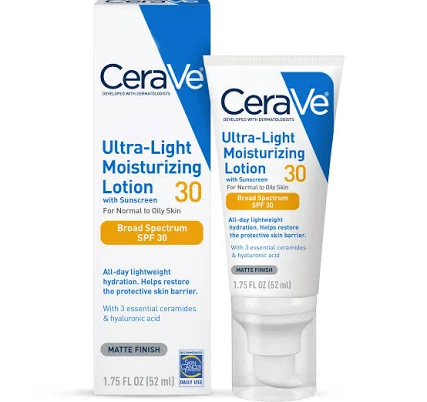
- Aqueous lotion with mineral sunscreen (titanium dioxide/zinc oxide) and ceramides
- Fragrance allergens and sensitizers
2 hazards checked on this product, all on its full breakdown.
More sunscreen grades
How we score, every product runs through the same public 0-100 rubric based on materials, coatings, brand disclosure, lab findings, and recalls. See the full methodology → Spotted a mistake? Report an error.