Sea & C Mattify and Protect Daily Priming Lotion SPF 35
No public PFAS data available; typical lotion poses lower concern than waterproof cosmetics.
Pacifica's priming lotion contains no known PFAS-laden ingredients based on available public information. However, sunscreen actives and formulation details lack transparent disclosure, limiting confidence.
The better-graded swap
Derma E
Daily Sun Serum SPF 30 Mineral Sunscreen
100/100 safety
Same rubric that flunked this product. The swap earned Excellent.
Still want this one anyway? Check the price on Amazon. We’d swap it.
Material
cosmetic lotion base with SPF 35
Brand disclosure
Brand is silent on PFAS
Lab data
No public lab test
You may also be interested in
Top-graded picks in the categories readers replace first, every one scored on the same rubric.

- polypropylene filter housing, carbon/sediment cartridge
- We found no PFAS statement from the brand
- Bacterial growth in spent cartridges
3 hazards checked on this product, all on its full breakdown.

Aquasure
Premier Series 75 GPD Under Sink Reverse Osmosis Water Filtration System
- RO membrane, carbon filters, stainless steel housing
- We found no PFAS statement from the brand
- Bacterial and microbial growth in housing and filters
4 hazards checked on this product, all on its full breakdown.

Avocado
Vegan Mattress
- organic cotton, natural latex, coconut coir, recycled steel coils
- The brand calls it PFAS-free, which we have not verified
- Heavy metals
2 hazards checked on this product, all on its full breakdown.
What Sea & C Mattify and Protect Lotion SPF is made of, ingredients and materials
This is a water-based cosmetic lotion with mineral SPF 35 (typically zinc oxide or titanium dioxide), designed as a daily primer. Lotion bases consist primarily of water, humectants (glycerin or similar), emollients, and emulsifiers to blend oil and water phases. The SPF actives and any pigments or botanicals (sea-derived per branding) are suspended in this emulsion. Lotions generally pose lower concern than spray or waterproof formulations because they lack propellants and water-resistance chemicals that often contain PFAS.
What’s concerning
Category baseline
The starting point for this type of product, before anything specific to this product is counted.
No PFAS disclosure
No public statement from the brand about PFAS in this product.
Fragrance allergens (undisclosed components)
Fragrance is listed as a proprietary blend with no itemized allergen breakdown on public materials. Common fragrance sensitizers (limonene, linalool, eugenol) may be present but are not detailed, posing risk to fragrance-sensitive or dermatitis-prone users.
1,4-dioxane as manufacturing byproduct
Emulsifiers and certain preservatives used in lotion bases may carry trace 1,4-dioxane if not vacuum-stripped during synthesis. Pacifica does not disclose supplier controls or finished-product testing for this contaminant.
Skin sensitization or phototoxicity from botanical extracts
Sea-derived ingredients (algae, kelp) are branded as key actives but their allergen profile and photosensitivity risk are not detailed. Some seaweed extracts can cause contact dermatitis or interact with SPF activity in unpredictable ways, especially in combination with fragrance.
What’s reassuring
Formaldehyde / VOCs
No public disclosure of preservative type (e.g., phenoxyethanol, methylisothiazolinone, or formaldehyde-donor systems). Without full ingredient list access, presence cannot be ruled out, but formaldehyde-releasing preservatives are declining in clean-beauty products.
Source, ATSDR ↗Heavy metals
Zinc oxide and titanium dioxide are non-toxic in typical cosmetic grades, but lead or cadmium contamination in mineral pigments is theoretically possible if sourcing or manufacturing controls are weak. Pacifica does not publish third-party testing for heavy metals in finished products.
Source, FDA ↗How is this PFAS grade calculated?
The brand's record and disclosure
Pacifica is known for clean-beauty positioning and cruelty-free certification, but does not publish full ingredient sourcing or third-party safety test results on its website. The brand does not disclose PFAS testing or a PFAS avoidance commitment. Fragrance is listed as a proprietary blend ("fragrance" or "parfum" on label), which obscures specific allergen or synthetic chemical breakdown. No major recalls or formal complaints specific to this product line are on public record.
How it compares in its category
Mineral SPF primers are generally lower-concern than chemical sunscreen lotions (which use oxybenzone, avobenzone, or octocrylene), as mineral blockers are less likely to penetrate skin or bioaccumulate. Compared to typical drugstore priming lotions, Pacifica's clean-beauty label means fewer silicones and synthetic fragrances, though this does not guarantee absence of all synthetic preservatives or fragrance allergens. Water-based lotions without waterproof claims avoid PFAS-heavy formulations common in sport or long-wear cosmetics.
If you buy it
Lotion primers do not require special heat handling or storage beyond typical cosmetics (keep out of direct sunlight and extreme heat). Discontinue use if irritation, rash, or sting develops; mineral SPF can cause mild sting in eyes or if applied near mucous membranes. Patch-test on inner arm first if you have sensitive skin or known fragrance allergies, since fragrance blend details are not disclosed. Replace if odor, separation, or mold appears (typically 1-2 years for opened lotion at room temperature).
What is not known about PFAS in this product?
- Basis
- Model estimate, 35% confidence, not a lab result
- Lab test
- None on record for this exact product
- Brand statement
- Pacifica has made none
Formulations change between production runs, so check the current label. How we grade.
What are the PFAS-free alternatives to Sea & C Mattify and Protect Daily Priming Lotion SPF 35?
- Mineral sunscreen, zinc oxide base
- A third party reports verifying it as PFAS-free
- 1,4-dioxane (non-intentional contaminant from surfactants/emulsifiers)
2 hazards checked on this product, all on its full breakdown.
- mineral sunscreen (zinc oxide or titanium dioxide base)
- The brand calls it PFAS-free, which we have not verified
- Synthetic fragrance allergens
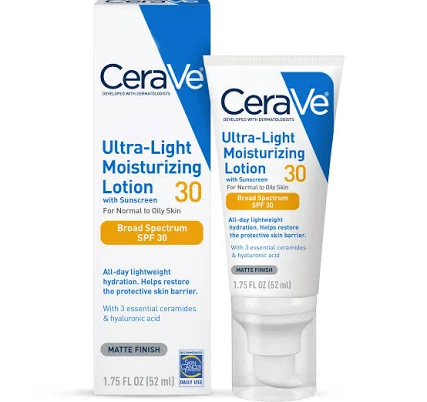
- Aqueous lotion with mineral sunscreen (titanium dioxide/zinc oxide) and ceramides
- Fragrance allergens and sensitizers
2 hazards checked on this product, all on its full breakdown.
More sunscreen grades
How we score, every product runs through the same public 0-100 rubric based on materials, coatings, brand disclosure, lab findings, and recalls. See the full methodology → Spotted a mistake? Report an error.