Patagonia · Waterproof Sports Gear
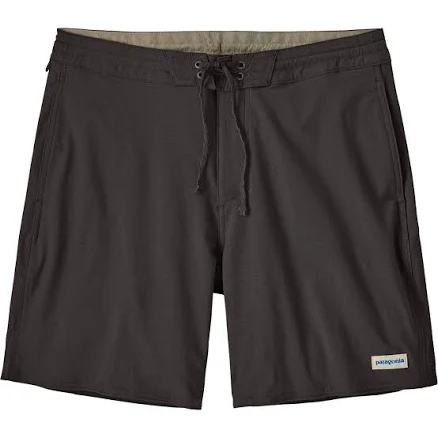
Patagonia Men's Home Waters Hybrid Shorts
A water-repellent or grease-resistant treatment of unstated chemistry, with a brand PFAS statement we have not verified.
Patagonia says 100% of its new products from Spring 2025 are made without intentionally added PFAS. We record that as an unverified brand claim. Its record describes a water-repellent or grease-resistant treatment of unstated chemistry, which is still counted.
Brand says: “Patagonia says 100% of its new products from Spring 2025 are made without intentionally added PFAS.”
Still want this one anyway? Check the price on Amazon. We’d swap it.
Material
Polyester blend with PFAS-free water-repellent coating finish
Brand disclosure
Brand claims PFAS-free
Lab data
No public lab test
You may also be interested in
Top-graded picks in the categories readers replace first, every one scored on the same rubric.

- polypropylene filter housing, carbon/sediment cartridge
- We found no PFAS statement from the brand
- Bacterial growth in spent cartridges
3 hazards checked on this product, all on its full breakdown.

Aquasure
Premier Series 75 GPD Under Sink Reverse Osmosis Water Filtration System
- RO membrane, carbon filters, stainless steel housing
- We found no PFAS statement from the brand
- Bacterial and microbial growth in housing and filters
4 hazards checked on this product, all on its full breakdown.

Avocado
Vegan Mattress
- organic cotton, natural latex, coconut coir, recycled steel coils
- The brand calls it PFAS-free, which we have not verified
- Heavy metals
2 hazards checked on this product, all on its full breakdown.
What Patagonia Men's Home Waters Hybrid Shorts is made of, ingredients and materials
These shorts are polyester blend construction with a water-repellent coating (water-repellent coating) finish that Patagonia states is PFAS-free. Polyester itself is stable and does not leach hazardous chemicals during normal wear or washing. The water-repellent coating treatment replaces traditional perfluorinated compounds (PFAS) with an alternative chemistry, though the exact replacement compound is not publicly disclosed by the brand. This is a common trade-off, PFAS-free claims often rely on proprietary non-fluorinated or shorter-chain formulations not yet fully characterized in the literature.
What’s concerning
Category baseline
The starting point for this type of product, before anything specific to this product is counted.
Waterproof / stain-resistant treatment
Water-repellent coating treatments have historically used PFAS.
Fragrance or dye allergen sensitivity
No fragrance is listed in product descriptions. However, dyes and finishes can trigger contact dermatitis in sensitive individuals. Prewash new shorts before extended wear if you have known textile sensitivities. Patagonia does not market hypoallergenic or dye-free versions of this line.
water-repellent coating finish durability and re-application hazard
The alternative water-repellent coating chemistry not containing long-chain PFOA/PFOS is less durable than legacy PFAS treatments, meaning more frequent re-application or re-treatment. Off-the-shelf water-repellent coating sprays vary in safety and composition. If you choose to re-treat at home, verify the product is also PFAS-free and follow application instructions to avoid inhalation exposure.
What’s reassuring
Brand-stated PFAS-free
The brand states this product is PFAS-free. We have not verified the claim.
Azo dyes in polyester
Polyester apparel can contain azo dyes that break down to release aromatic amines. No recalls or hazard notices specific to Patagonia Men's Home Waters shorts have been documented. Patagonia does not openly disclose dye chemistry, but the brand operates under Bluesign and other chemical management standards for most lines.
Antimony in polyester fiber
Antimony is a catalyst used in polyester synthesis and can migrate in trace amounts, especially if fabric is stained or stored in warm/wet conditions. No data specific to this product exists. Antimony levels in finished polyester apparel are typically far below regulatory concern, and Patagonia's supplier auditing practices are documented.
Formaldehyde / VOCs
Wrinkle-resist and flame-retardant finishes sometimes contain formaldehyde releasers. Patagonia does not apply flame-retardant finishes to apparel under normal circumstances, and no formaldehyde finishing is stated for this product. Polyester itself does not release formaldehyde during use.
Source, ATSDR ↗How is this PFAS grade calculated?
The brand's record and disclosure
Patagonia has a documented commitment to reducing PFAS in apparel and has communicated phasing out legacy fluorinated water-repellent coating treatments across its lines. However, the specific replacement chemistry in this product is not detailed on consumer-facing labeling or the brand website we can verify. Patagonia does publish sustainability reports and third-party certifications for some products, but full transparency on alternative water-repellent coating agents remains inconsistent across the industry. The brand's overall environmental stance is well-regarded, though independent lab verification of PFAS-free claims for individual items is rare.
How it compares in its category
Hybrid shorts with PFAS-free water-repellent coating are increasingly common among major outdoor brands (Arc'teryx, The North Face, REI Co-op lines). Patagonia's transparency on this shift is above average for the category, though it lags behind brands that publish exact replacement chemistry. Many competitors still use legacy PFAS water-repellent coating or do not disclose treatment type at all. Pricing and durability claims are competitive; this product sits in the mid-to-premium segment.
If you buy it
Wash in cool water with mild detergent and air-dry to preserve the water-repellent coating finish. Avoid fabric softeners and high heat, which degrade water-repellency faster. The water-repellent coating will diminish after 20-40 washes depending on water hardness; Patagonia offers re-treatment services or home water-repellent coating spray kits (check the chemistry of any re-treatment product you apply). Inspect seams and elastic for wear; these are typical failure points in hybrid shorts, not a material hazard.
What is not known about PFAS in this product?
- Basis
- Model estimate, 78% confidence, not a lab result
- Lab test
- None on record for this exact product
- Brand statement
- Patagonia has made a specific claim
Formulations change between production runs, so check the current label. How we grade.
What are the PFAS-free alternatives to Patagonia Men's Home Waters Hybrid Shorts?
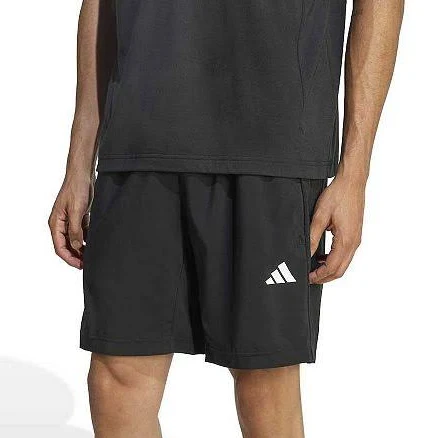
- Woven polyester/nylon blend, no waterproof or stain-resistant treatment specified
- Heavy metals
3 hazards checked on this product, all on its full breakdown.
Find an alternative on Amazon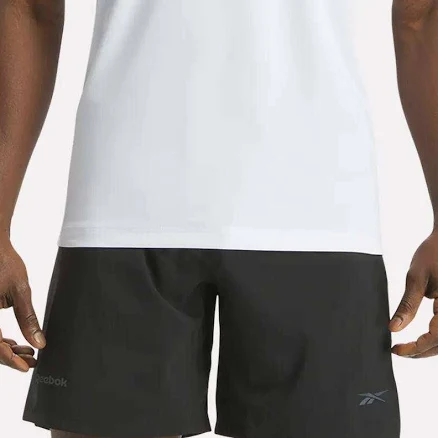
- Polyester mesh and nylon blend, standard athletic construction
- Formaldehyde / VOCs
3 hazards checked on this product, all on its full breakdown.
Find an alternative on AmazonMore waterproof sports gear grades
How we score, every product runs through the same public 0-100 rubric based on materials, coatings, brand disclosure, lab findings, and recalls. See the full methodology → Spotted a mistake? Report an error.