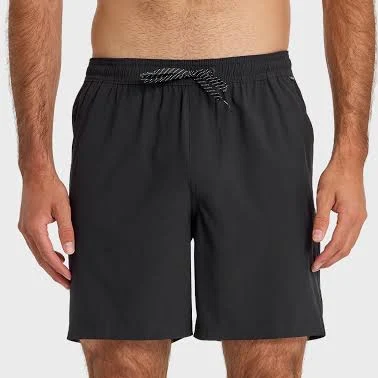
Quiksilver · Waterproof Sports Gear
Quiksilver Men's Taxer Amphibian Hybrid Shorts
Hybrid shorts likely have water-repellent coating; Quiksilver does not disclose PFAS.
Amphibian hybrid shorts use water-repellent treatment standard in board shorts, but Quiksilver offers no public PFAS statement or testing. Standard water-repellent coating finishes often contain PFAS.
Still want this one anyway? Check the price on Amazon. We’d swap it.
Material
polyester/nylon blend with water-repellent coating water-repellent finish
Lab data
No public lab test
You may also be interested in
Top-graded picks in the categories readers replace first, every one scored on the same rubric.

- polypropylene filter housing, carbon/sediment cartridge
- We found no PFAS statement from the brand
- Bacterial growth in spent cartridges
3 hazards checked on this product, all on its full breakdown.

Aquasure
Premier Series 75 GPD Under Sink Reverse Osmosis Water Filtration System
- RO membrane, carbon filters, stainless steel housing
- We found no PFAS statement from the brand
- Bacterial and microbial growth in housing and filters
4 hazards checked on this product, all on its full breakdown.

Avocado
Vegan Mattress
- organic cotton, natural latex, coconut coir, recycled steel coils
- The brand calls it PFAS-free, which we have not verified
- Heavy metals
2 hazards checked on this product, all on its full breakdown.
What Quiksilver Men's Taxer Hybrid Shorts is made of, ingredients and materials
These shorts combine polyester and nylon, both synthetic polymers chosen for durability and moisture-wicking in water sports. The water-repellent coating (water-repellent coating) finish is the chemical concern, it typically relies on fluorinated compounds (PFAS) or, less commonly, wax-based alternatives to repel water. Quiksilver has not publicly disclosed which type they use in this model. Polyester and nylon themselves are stable under normal wear, but the finish degrades with washing and wear, potentially releasing particles and residual treatments.
What’s concerning
Category baseline
The starting point for this type of product, before anything specific to this product is counted.
No PFAS disclosure
No public statement from the brand about PFAS in this product.
Waterproof / stain-resistant treatment
Water-repellent coating treatments have historically used PFAS.
Antimony in polyester
Antimony is used as a catalyst in polyester production and can remain in trace amounts in finished fabric. Levels in apparel are typically low and unlikely to leach under normal wear, but no third-party testing of Quiksilver shorts for antimony content is publicly available.
water-repellent coating degradation and residue
The water-repellent coating finish will degrade with washing and UV exposure over time. If PFAS-based, degradation may release both particles and soluble compounds. Quiksilver does not disclose the chemical type, so users cannot assess whether residue poses a health concern post-wear.
Microplastics
Synthetic textiles shed microfibers during washing. Polyester and nylon hybrid shorts will contribute to this environmental and potential direct-exposure issue over their lifetime, but this is not specific to Quiksilver or avoidable within this category without choosing natural fibers.
Source, EPA ↗What’s reassuring
Azo dyes in polyester
Polyester dyeing can use azo dyes, which are banned in the EU but still permitted in the US under some conditions. No specific recalls or reports tie Quiksilver products to restricted azo dyes, but standard industry testing is not publicly available for this model.
Formaldehyde / VOCs
Formaldehyde resins are used in some polyester finishing processes (wrinkle resistance, color-fastness). This product is not marketed as wrinkle-resistant, and no recalls or reports link Quiksilver shorts to formaldehyde off-gassing.
Source, ATSDR ↗How is this PFAS grade calculated?
The brand's record and disclosure
Quiksilver, owned by Boardriders Inc., has not published detailed chemical safety disclosures or PFAS phase-out commitments comparable to other major apparel brands. The company does not appear on public PFAS-elimination pledges or transparency reports. This silence is meaningful, brands leading on chemical safety typically market it prominently. Quiksilver's website and product labels do not specify water-repellent coating chemistry, which is standard practice but limits consumer choice.
How it compares in its category
Hybrid shorts with water-repellent coating are common in the water-sports category; most major competitors (Patagonia, The North Face, Rip Curl) face identical water-repellent coating questions, though some have committed to lower-concern alternatives. Quiksilver's lack of public stance places it in the middle, neither a leader in lower-concern chemistry nor a known violator. Price and performance are competitive; the chemical risk profile is not meaningfully different from peer brands without disclosure.
If you buy it
Wash in cold water and avoid fabric softeners, which can accelerate water-repellent coating breakdown and release residue. Limit dry-cleaning, as some solvents may interact with coating chemicals. Do not iron at high heat; the synthetic blend is stable under normal wear but prolonged high heat can degrade finishes. Replace after 2-3 years or when water no longer beads on the surface, as degraded water-repellent coating may leave behind chemical residue that washing alone won't fully remove. Consider contacting Quiksilver directly to request water-repellent coating type disclosure if that information matters to your decision.
What is not known about PFAS in this product?
- Basis
- Model estimate, 45% confidence, not a lab result
- Lab test
- None on record for this exact product
- Brand statement
- Quiksilver has made a specific claim
Formulations change between production runs, so check the current label. How we grade.
What are the PFAS-free alternatives to Quiksilver Men's Taxer Amphibian Hybrid Shorts?
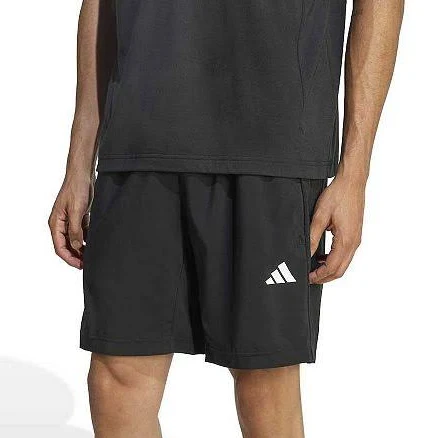
- Woven polyester/nylon blend, no waterproof or stain-resistant treatment specified
- Heavy metals
3 hazards checked on this product, all on its full breakdown.
Find an alternative on Amazon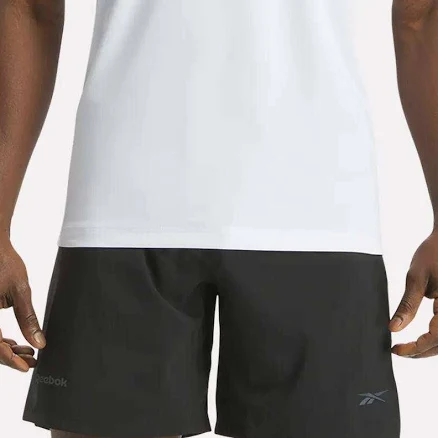
- Polyester mesh and nylon blend, standard athletic construction
- Formaldehyde / VOCs
3 hazards checked on this product, all on its full breakdown.
Find an alternative on Amazon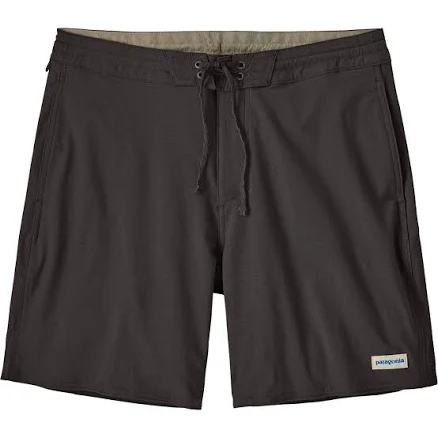
- Polyester blend with PFAS-free water-repellent coating finish
- The brand calls it PFAS-free, which we have not verified
- Fragrance or dye allergen sensitivity
2 hazards checked on this product, all on its full breakdown.
Find an alternative on AmazonMore waterproof sports gear grades
How we score, every product runs through the same public 0-100 rubric based on materials, coatings, brand disclosure, lab findings, and recalls. See the full methodology → Spotted a mistake? Report an error.