Reebok · Waterproof Sports Gear
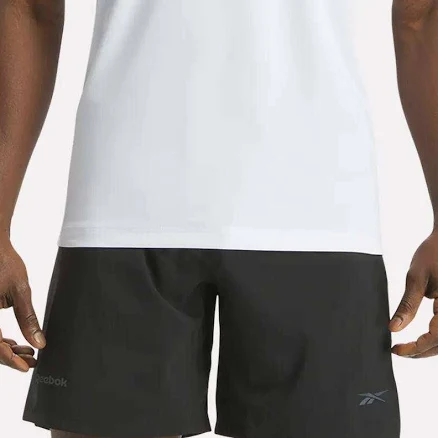
Reebok Men's Athlete Speed Shorts
Lower concern. Standard athletic shorts without water-resistant coating.
Reebok does not disclose PFAS in this product. Standard polyester and nylon athletic shorts typically lack water-repellent coating treatments, suggesting lower PFAS likelihood.
Still want this one anyway? Check the price on Amazon. We’d swap it.
Material
Polyester mesh and nylon blend, standard athletic construction
Lab data
No public lab test
You may also be interested in
Top-graded picks in the categories readers replace first, every one scored on the same rubric.

- polypropylene filter housing, carbon/sediment cartridge
- We found no PFAS statement from the brand
- Bacterial growth in spent cartridges
3 hazards checked on this product, all on its full breakdown.

Aquasure
Premier Series 75 GPD Under Sink Reverse Osmosis Water Filtration System
- RO membrane, carbon filters, stainless steel housing
- We found no PFAS statement from the brand
- Bacterial and microbial growth in housing and filters
4 hazards checked on this product, all on its full breakdown.

Avocado
Vegan Mattress
- organic cotton, natural latex, coconut coir, recycled steel coils
- The brand calls it PFAS-free, which we have not verified
- Heavy metals
2 hazards checked on this product, all on its full breakdown.
What Reebok Men's Athlete Speed Shorts is made of, ingredients and materials
Reebok Athlete Speed Shorts are constructed from a polyester mesh and nylon blend, typical of mainstream athletic wear. Polyester is a synthetic polymer that does not naturally leach chemicals into skin under normal wear conditions. Nylon similarly poses minimal leaching risk during typical use. The mesh construction provides breathability without requiring chemical water-repellent treatments that would introduce PFAS or other fluorinated compounds.
What’s concerning
Category baseline
The starting point for this type of product, before anything specific to this product is counted.
No PFAS disclosure
No public statement from the brand about PFAS in this product.
Formaldehyde / VOCs
Polyester-nylon blends may receive wrinkle-resist or shrink-control finishes containing formaldehyde releasers; Reebok does not disclose finishing chemistry for this product. Levels in finished athletic wear are typically far below occupational exposure limits, and off-gassing diminishes after initial washes.
Source, ATSDR ↗Antimony in polyester
Antimony trioxide is a common polyester catalyst; trace residues may remain in finished fabric. Exposure through skin contact during wear is negligible, and antimony is not absorbed through intact skin. No regulatory concern exists for consumer wear.
Microplastic shedding
Polyester textiles shed microfibers during washing; Athlete Speed Shorts will contribute to aquatic microplastic pollution over their lifespan. This is not a safety hazard to the wearer but an environmental concern shared by all synthetic athletic wear. Limiting wash frequency and using cold water reduces shedding.
What’s reassuring
Base material not linked to PFAS
The main material recorded for this product is not one associated with PFAS.
Azo dyes in polyester
Azo dyes used in synthetic textiles can release aromatic amines under sweat or heat; no recalls or test failures on record for Reebok Athlete Speed Shorts, and black/solid color athletic shorts typically use lower-risk disperse dyes.
Heavy metals
No public reports of lead, cadmium, or other heavy metal contamination in Reebok apparel. Standard athletic dyes are not routinely tested by the brand, but no safety violation has been documented for this product line.
Source, FDA ↗How is this PFAS grade calculated?
The brand's record and disclosure
Reebok has not published comprehensive chemical disclosure policies or third-party certifications (such as OEKO-TEX or Bluesign) for this product line, which is common among mainstream athletic brands. The brand has faced no publicly documented recalls or safety controversies specific to Athlete Speed Shorts. Reebok's parent company Authentic Brands Group has made limited public commitments to hazardous chemical phase-out, but no specific violations or warnings attach to this model.
How it compares in its category
Standard polyester-nylon athletic shorts represent the baseline construction in this category and carry similar hazard profiles to competing brands (Nike, Adidas, Under Armour entry-level shorts). Unlike moisture-wicking or water-resistant athletic wear, uncoated polyester-nylon shorts avoid PFAS entirely. This product does not stand out as either particularly lower concern or higher concern relative to peers; it is typical mass-market athletic wear.
If you buy it
Wash in cool to warm water (below 60 degrees Celsius / 140 degrees Fahrenheit) to preserve elastic and stitching; do not expose to prolonged heat, which can degrade nylon's tensile strength. Inspect seams and elastic waistband annually; replace if stitching separates or elastic loses shape. No special care is needed beyond standard athletic apparel laundering. Standard detergent poses no known reaction risk with the base materials.
What is not known about PFAS in this product?
- Basis
- Model estimate, 72% confidence, not a lab result
- Lab test
- None on record for this exact product
- Brand statement
- Reebok has made a specific claim
Formulations change between production runs, so check the current label. How we grade.
More waterproof sports gear grades
How we score, every product runs through the same public 0-100 rubric based on materials, coatings, brand disclosure, lab findings, and recalls. See the full methodology → Spotted a mistake? Report an error.