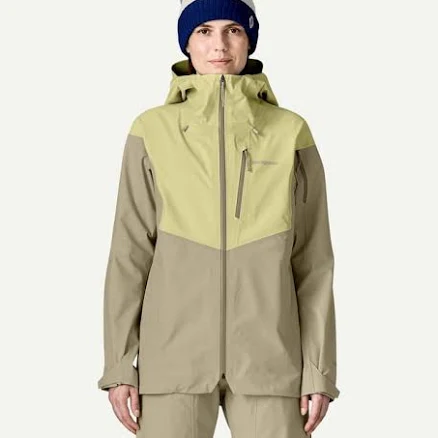
Patagonia · Ski & Snowboard Jackets
Patagonia Women's Snowdrifter Jacket
A water-repellent or grease-resistant treatment of unstated chemistry, with a brand PFAS statement we have not verified.
Patagonia says 100% of its new products from Spring 2025 are made without intentionally added PFAS. We record that as an unverified brand claim. Its record describes a water-repellent or grease-resistant treatment of unstated chemistry, which is still counted.
Brand says: “Patagonia says 100% of its new products from Spring 2025 are made without intentionally added PFAS.”
Still want this one anyway? Check the price on Amazon. We’d swap it.
Material
Polyester shell with water-repellent coating water-repellent finish
Brand disclosure
Brand claims PFAS-free
Lab data
No public lab test
You may also be interested in
Top-graded picks in the categories readers replace first, every one scored on the same rubric.

- polypropylene filter housing, carbon/sediment cartridge
- We found no PFAS statement from the brand
- Bacterial growth in spent cartridges
3 hazards checked on this product, all on its full breakdown.

Aquasure
Premier Series 75 GPD Under Sink Reverse Osmosis Water Filtration System
- RO membrane, carbon filters, stainless steel housing
- We found no PFAS statement from the brand
- Bacterial and microbial growth in housing and filters
4 hazards checked on this product, all on its full breakdown.

Avocado
Vegan Mattress
- organic cotton, natural latex, coconut coir, recycled steel coils
- The brand calls it PFAS-free, which we have not verified
- Heavy metals
2 hazards checked on this product, all on its full breakdown.
What Patagonia Women's Snowdrifter Jacket is made of, ingredients and materials
The Snowdrifter jacket's outer shell is polyester, a durable synthetic fiber resistant to moisture and abrasion in cold-weather conditions. The critical component is the water-repellent coating (water-repellent coating) finish applied to the shell, which sheds water and sleet. The specific chemistry of Patagonia's water-repellent coating treatment on this model is not publicly detailed on the product page or hang tags reviewed, making it impossible to independently confirm the absence of PFAS-based fluorocarbons that were historically standard in such coatings.
What’s concerning
Waterproof / stain-resistant treatment
Water-repellent coating treatments have historically used PFAS.
Category baseline
The starting point for this type of product, before anything specific to this product is counted.
PFAS
Patagonia claims PFAS-free water-repellent coating but has not disclosed the alternative chemistry used or provided independent test results for this specific product. Modern PFAS alternatives (such as fluorine-free hydrocarbon blends or silicone-based systems) exist but vary in durability and leaching risk; without chemical disclosure, residual PFAS or unknown alternatives cannot be ruled out.
Source, ATSDR ↗Degradation and microfiber shedding over time
What’s reassuring
Brand-stated PFAS-free
The brand states this product is PFAS-free. We have not verified the claim.
Antimony in polyester fiber
Polyester production may involve antimony as a catalyst; no specific reports link Patagonia polyester to elevated antimony content or leaching in finished garments under normal wearing conditions. Antimony is not a hazard when polyester is worn, only if ingested or inhaled in dust form during manufacturing.
Formaldehyde / VOCs
No publicly recorded instances of formaldehyde-based finishes or prints on Patagonia Snowdrifter jackets. Patagonia's standards prohibit certain formaldehyde resins, though specific test results for this model are not publicly available.
Source, ATSDR ↗Azo dyes and colorant safety
Patagonia sources textiles with attention to dye standards and has publicly stated restrictions on certain azo dyes; no known reports of banned aromatic amines in Snowdrifter colorways. Dye chemistry is not disclosed per product.
How is this PFAS grade calculated?
The brand's record and disclosure
Patagonia has published a stated commitment to phasing out PFAS from its products and publishes annual environmental responsibility reports. However, the company has not provided third-party laboratory verification of PFAS-free status for individual garment lines or disclosed the specific water-repellent coating chemistry used on the Snowdrifter model. This gap between brand statement and product-level transparency is common across the outdoor apparel industry and does not indicate wrongdoing, but it does mean you cannot independently verify the claim at the point of purchase.
How it compares in its category
Patagonia's commitment to PFAS reduction is more transparent than many competitors, though still incomplete; brands like Arc'teryx and The North Face face similar disclosure limitations. Most ski jackets in this price range ($200-400) use some form of water-repellent coating, and few provide full chemical transparency. Patagonia's reputation for durability and honest marketing gives this jacket a credibility edge, though the lack of third-party water-repellent coating verification means it sits in the middle of the category in terms of documented safety assurance.
If you buy it
Wash separately in cool water with minimal detergent designed for technical fabrics; excess soap can strip water-repellent coating performance. Avoid fabric softeners, chlorine bleach, and high heat drying, which can degrade polyester and reduce water repellency. If water starts beading poorly after 1-2 seasons of heavy use, the water-repellent coating has degraded and the jacket will still be wearable but less water-shedding; re-application products exist but are not necessary for function. Store in a dry place away from direct heat and UV light to preserve fiber integrity.
What is not known about PFAS in this product?
- Basis
- Model estimate, 35% confidence, not a lab result
- Lab test
- None on record for this exact product
- Brand statement
- Patagonia has made a specific claim
Formulations change between production runs, so check the current label. How we grade.
What are the PFAS-free alternatives to Patagonia Women's Snowdrifter Jacket?
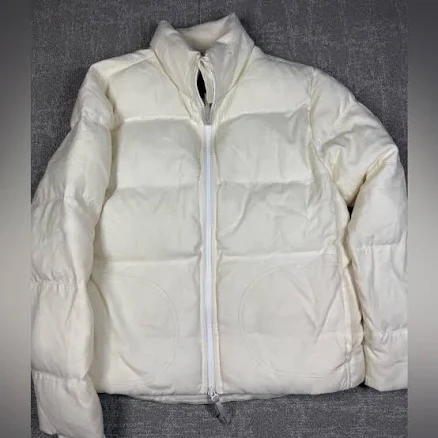
- Wool blend with synthetic fill (likely polyester)
- We found no PFAS statement from the brand
- water-repellent coating (water-repellent coating) coating composition
3 hazards checked on this product, all on its full breakdown.
Find an alternative on Amazon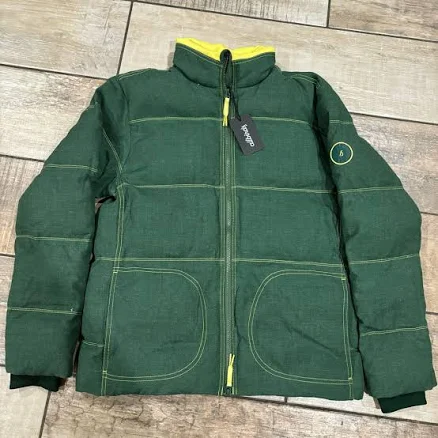
Allbirds
Jackets & Coats Allbirds Men's Trino Puffer Jacket Full Zip Wool Blend Forest Green Coat Size Sm
- wool blend (natural fiber dominant)
- We found no PFAS statement from the brand
- water-repellent coating (water-repellent coating) treatment - undisclosed chemistry
2 hazards checked on this product, all on its full breakdown.
Find an alternative on Amazon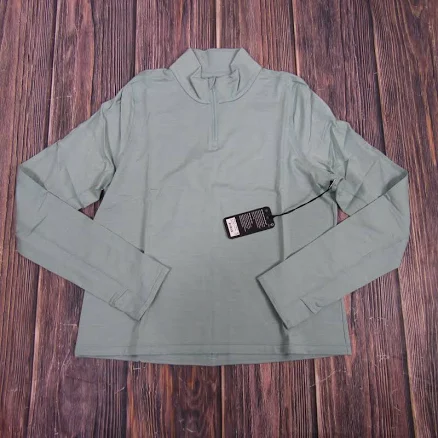
- Merino wool blend (natural fiber)
- We found no PFAS statement from the brand
- Azo dyes and synthetic dye residue
3 hazards checked on this product, all on its full breakdown.
Find an alternative on AmazonMore ski & snowboard jackets grades
How we score, every product runs through the same public 0-100 rubric based on materials, coatings, brand disclosure, lab findings, and recalls. See the full methodology → Spotted a mistake? Report an error.