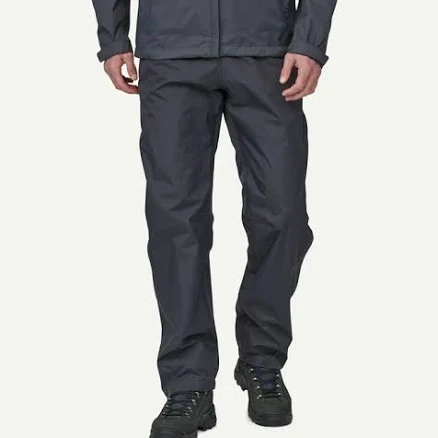
Patagonia Men's Torrentshell 3L Rain Pants
A water-repellent or grease-resistant treatment of unstated chemistry, with a brand PFAS statement we have not verified.
Patagonia says 100% of its new products from Spring 2025 are made without intentionally added PFAS. We record that as an unverified brand claim. Its record describes a water-repellent or grease-resistant treatment of unstated chemistry, which is still counted.
Brand says: “Patagonia says 100% of its new products from Spring 2025 are made without intentionally added PFAS.”
Still want this one anyway? Check the price on Amazon. We’d swap it.
Material
Nylon with water-repellent coating (water-repellent coating) treatment
Brand disclosure
Brand claims PFAS-free
Lab data
No public lab test
You may also be interested in
Top-graded picks in the categories readers replace first, every one scored on the same rubric.

- polypropylene filter housing, carbon/sediment cartridge
- We found no PFAS statement from the brand
- Bacterial growth in spent cartridges
3 hazards checked on this product, all on its full breakdown.

Aquasure
Premier Series 75 GPD Under Sink Reverse Osmosis Water Filtration System
- RO membrane, carbon filters, stainless steel housing
- We found no PFAS statement from the brand
- Bacterial and microbial growth in housing and filters
4 hazards checked on this product, all on its full breakdown.

Avocado
Vegan Mattress
- organic cotton, natural latex, coconut coir, recycled steel coils
- The brand calls it PFAS-free, which we have not verified
- Heavy metals
2 hazards checked on this product, all on its full breakdown.
What Patagonia Men's Torrentshell 3L Rain Pants is made of, ingredients and materials
The Torrentshell 3L uses nylon fabric with a water-repellent coating (water-repellent coating) finish. Nylon itself is a synthetic polymer with no established toxicity hazards in normal wear. The water-repellent coating treatment is applied to the outer layer to shed water and block moisture; this coating is the source of PFAS concern, as water-repellent coating finishes have historically relied on fluorochemicals, though Patagonia claims current formulations are PFAS-free without public verification of the specific chemistry.
What’s concerning
Category baseline
The starting point for this type of product, before anything specific to this product is counted.
Waterproof / stain-resistant treatment
Water-repellent coating treatments have historically used PFAS.
PFAS
Patagonia claims PFAS-free water-repellent coating but has not published independent verification or detailed ingredient disclosure for this product. The actual chemistry of the coating remains opaque to consumers.
Source, ATSDR ↗Nylon microfiber shedding from wear
Repeated washing and abrasion of nylon textiles can generate microfibers that shed into wash water and the environment; this is a property of the base material, not product-specific, but notable given the pants' intended use in outdoor environments.
water-repellent coating degradation and reapplication
Water-repellent coating treatments are temporary and degrade with washing and wear; repeated reapplication of unknown chemistry is common practice, extending potential PFAS or other chemical exposure unless non-fluorine alternatives are explicitly used.
What’s reassuring
Brand-stated PFAS-free
The brand states this product is PFAS-free. We have not verified the claim.
Formaldehyde / VOCs
No formaldehyde-releasing finishes are on record for Patagonia's nylon rain gear. Modern synthetic textiles typically avoid formaldehyde resins, but confirmation of this specific product's finishing chemistry is not publicly available.
Source, ATSDR ↗Heavy metals
Patagonia generally sources dyes compliant with OEKO-TEX or similar standards, but this product line carries no published certification. Dark-colored nylon may use heavier dye loads, though textiles are not a significant source of skin exposure to dyes in finished form.
Source, FDA ↗How is this PFAS grade calculated?
The brand's record and disclosure
Patagonia has stated commitments to eliminate fluorochemicals in textiles and publicly advocates for phasing out fluorochemicals in the industry. However, the company has not published detailed lab test results or third-party certification (such as OEKO-TEX STeP) confirming the water-repellent coating treatment of this specific product line is PFAS-free. The brand is generally transparent about environmental and chemical practices compared to competitors, but verification gaps remain for end users.
How it compares in its category
Most rain pants in this price and performance tier still use conventional fluorine-based water-repellent coating, often with disclosed PFAS content. Patagonia's stated commitment places this product ahead of unvetted alternatives, but it falls behind brands with third-party certified non-fluorine water-repellent coating (such as wax-based or paraffin treatments) or established test documentation. The 3L construction (three-layer laminate with breathable membrane) is standard for durable rain wear and carries no special hazard profile.
If you buy it
Wash separately in cold water with mild detergent; avoid fabric softeners and high heat, which can degrade both the nylon and water-repellent coating finish prematurely. Do not use chlorine bleach. Reapply water-repellent coating using Patagonia's own products or certified fluorine-free alternatives every 1-2 years depending on use frequency and washing. If the water-repellent coating begins to bead poorly and water soaks in, durability is compromised; this is a signal to replace rather than rely on worn coating.
What is not known about PFAS in this product?
- Basis
- Model estimate, 42% confidence, not a lab result
- Lab test
- None on record for this exact product
- Brand statement
- Patagonia has made a specific claim
Formulations change between production runs, so check the current label. How we grade.
More rain pants grades
How we score, every product runs through the same public 0-100 rubric based on materials, coatings, brand disclosure, lab findings, and recalls. See the full methodology → Spotted a mistake? Report an error.