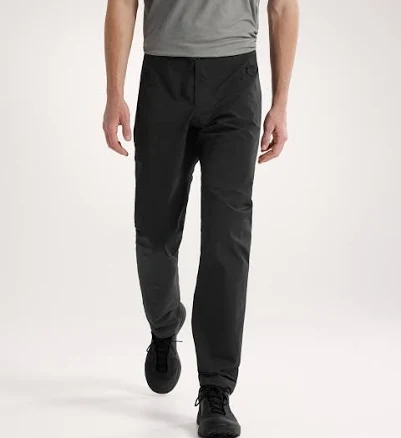
Arc'teryx Men's Gamma Pants
Moderate concern; Arc'teryx applies water-repellent coating to technical pants but doesn't disclose PFAS status.
Arc'teryx's Gamma Pants feature water-repellent coating coatings typical of high-performance outdoor apparel, historically reliant on fluorinated compounds including PFAS. The brand doesn't publicly commit to PFAS-free treatment or verification.
Still want this one anyway? Check the price on Amazon. We’d swap it.
Material
Nylon with water-repellent coating finish
Lab data
No public lab test
You may also be interested in
Top-graded picks in the categories readers replace first, every one scored on the same rubric.

- polypropylene filter housing, carbon/sediment cartridge
- We found no PFAS statement from the brand
- Bacterial growth in spent cartridges
3 hazards checked on this product, all on its full breakdown.

Aquasure
Premier Series 75 GPD Under Sink Reverse Osmosis Water Filtration System
- RO membrane, carbon filters, stainless steel housing
- We found no PFAS statement from the brand
- Bacterial and microbial growth in housing and filters
4 hazards checked on this product, all on its full breakdown.

Avocado
Vegan Mattress
- organic cotton, natural latex, coconut coir, recycled steel coils
- The brand calls it PFAS-free, which we have not verified
- Heavy metals
2 hazards checked on this product, all on its full breakdown.
What Arc'teryx Men's Gamma Pants is made of, ingredients and materials
The Gamma Pants use nylon as the base fabric with a water-repellent coating (water-repellent coating) finish applied to the surface. water-repellent coating treatments historically relied on perfluorinated compounds (PFAS), though some manufacturers have shifted to fluorine-free alternatives; Arc'teryx does not publicly specify which type is used on this model. Nylon itself is stable and non-toxic under normal wear, but the water-repellent coating chemistry is the material concern here. The pants also likely contain nylon thread, seams, and potentially polyester in blended construction, which add minimal chemical risk under typical use.
What’s concerning
Category baseline
The starting point for this type of product, before anything specific to this product is counted.
No PFAS disclosure
No public statement from the brand about PFAS in this product.
Waterproof / stain-resistant treatment
Water-repellent coating treatments have historically used PFAS.
water-repellent coating degradation and potential chemical leaching
Arc'teryx does not disclose whether water-repellent coating uses PFAS or fluorine-free chemistry. Traditional perfluorinated water-repellent coating coatings can gradually shed into sweat or wash water, especially after friction and laundering; fluorine-free alternatives (if used) have less historical evidence of systemic leaching but are still relatively new.
Microfiber shedding from nylon weave
Nylon textiles shed microfibers during washing and wear, contributing to aquatic microplastic pollution. This is not a direct hazard to the wearer but is a downstream environmental concern; washing in a microfiber-catching bag (Guppyfriend, Cora Ball) reduces release by 75-90% per studies.
What’s reassuring
Formaldehyde / VOCs
Nylon technical fabrics can be treated with formaldehyde-releasing resins for wrinkle resistance or shape retention, but Arc'teryx's premium construction typically avoids this for performance wear. No formaldehyde concerns are on record for this model.
Source, ATSDR ↗Heavy metals
Arc'teryx uses professional-grade dye houses (primarily in Asia) that generally meet OEKO-TEX or similar standards. No heavy metal or banned azo dye violations are documented for Arc'teryx apparel, and nylon dyes are typically lower-risk than natural fiber dyes.
Source, FDA ↗Seam-tape adhesives and leachables
Sealed seams use polyurethane or polyester-based tapes; Arc'teryx's taped seams are professionally applied and stable under normal use. Adhesive leaching is not a reported issue for this brand, and heat/sweat exposure in a rain pant is low compared to base layers.
How is this PFAS grade calculated?
The brand's record and disclosure
Arc'teryx is a Salomon-owned technical apparel brand with a strong reputation for durability and performance but a weak track record on chemical transparency. The company does not publicly disclose water-repellent coating chemistry on product pages or in accessible sustainability documents, and has not signed ZDHC (Zero Discharge of Hazardous Chemicals) or similar manufacturing accountability frameworks. No major product recalls or chemical contamination incidents are on public record for Arc'teryx apparel. This silence on water-repellent coating treatment is common in the outdoor industry but indicates lower priority placed on PFAS disclosure compared to brands like Patagonia or The North Face.
How it compares in its category
Most premium rain pants at Arc'teryx's price point ($200+) use nylon with some form of water-repellent coating finish; the main difference is whether that treatment is PFAS-based or fluorine-free. Competitors like Patagonia increasingly offer fluorine-free options and publish that choice; Arc'teryx's silence suggests possible reliance on traditional PFAS water-repellent coating, which is still common in technical textiles. Lower-cost rain pants often use polyester or polyurethane membranes, which carry different tradeoffs (less durability, more plasticizer leaching risk). Arc'teryx's engineering and fit are superior, but the chemical opacity is a category weakness for this brand.
If you buy it
Wash in cool water with mild detergent and avoid fabric softeners, which can degrade the water-repellent coating and increase shedding of any loosely bound chemicals. Do not dry clean, as solvent exposure can leach coating materials. Line dry or tumble dry on low heat; high heat is not a risk but is unnecessary. Re-apply water-repellent coating treatment every 1-2 years if water beading diminishes; use a fluorine-free alternative (like Revivex Pro) to reduce PFAS exposure over the product lifetime. Inspect seams and zippers regularly for damage; compromised seams may allow internal moisture and bacterial growth in humid storage.
What is not known about PFAS in this product?
- Basis
- Model estimate, 45% confidence, not a lab result
- Lab test
- None on record for this exact product
- Brand statement
- Arc'teryx has made a specific claim
Formulations change between production runs, so check the current label. How we grade.
What are the PFAS-free alternatives to Arc'teryx Men's Gamma Pants?
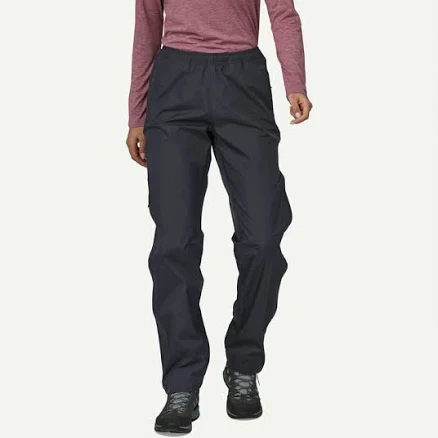
- Nylon with water-repellent coating water-repellent coating finish
- The brand calls it PFAS-free, which we have not verified
- water-repellent coating finish composition (unstated chemistry)
2 hazards checked on this product, all on its full breakdown.
Find an alternative on Amazon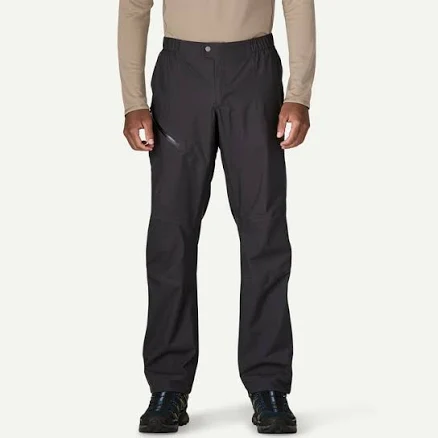
- Nylon with water-repellent coating (water-repellent coating) treatment
- The brand calls it PFAS-free, which we have not verified
- water-repellent coating chemistry (unknown composition)
2 hazards checked on this product, all on its full breakdown.
Find an alternative on Amazon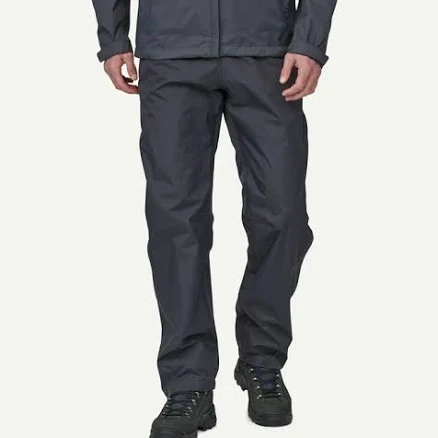
- Nylon with water-repellent coating (water-repellent coating) treatment
- The brand calls it PFAS-free, which we have not verified
- PFAS
3 hazards checked on this product, all on its full breakdown.
Find an alternative on AmazonMore rain pants grades
How we score, every product runs through the same public 0-100 rubric based on materials, coatings, brand disclosure, lab findings, and recalls. See the full methodology → Spotted a mistake? Report an error.