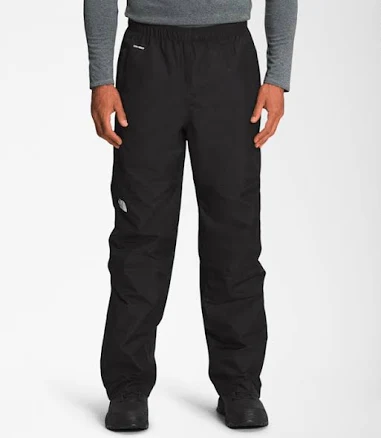
The North Face Men's Antora Rain Pants
High risk. water-repellent coating treatments traditionally use PFAS, The North Face does not disclose their formula.
The Antora uses a water-repellent coating finish typical of technical rain apparel. The North Face hasn't publicly disclosed whether their water-repellent coating contains PFAS.
Still want this one anyway? Check the price on Amazon. We’d swap it.
Material
Nylon with water-repellent coating water-repellent finish
Lab data
No public lab test
You may also be interested in
Top-graded picks in the categories readers replace first, every one scored on the same rubric.

- polypropylene filter housing, carbon/sediment cartridge
- We found no PFAS statement from the brand
- Bacterial growth in spent cartridges
3 hazards checked on this product, all on its full breakdown.

Aquasure
Premier Series 75 GPD Under Sink Reverse Osmosis Water Filtration System
- RO membrane, carbon filters, stainless steel housing
- We found no PFAS statement from the brand
- Bacterial and microbial growth in housing and filters
4 hazards checked on this product, all on its full breakdown.

Avocado
Vegan Mattress
- organic cotton, natural latex, coconut coir, recycled steel coils
- The brand calls it PFAS-free, which we have not verified
- Heavy metals
2 hazards checked on this product, all on its full breakdown.
What The North Face Men's Antora Rain Pants is made of, ingredients and materials
The Antora pants are nylon with a water-repellent coating (water-repellent coating) finish applied to the exterior. Nylon itself is a stable synthetic polymer with no established leaching hazards in normal wear. The water-repellent coating treatment is the critical unknown, it repels water to keep the fabric dry, but traditional water-repellent coating coatings have relied on PFAS chemicals (PFAS "forever chemicals") for decades. The North Face does not publicly disclose whether their water-repellent coating formula contains PFAS or uses an alternative with lower PFAS concern.
What’s concerning
Category baseline
The starting point for this type of product, before anything specific to this product is counted.
No PFAS disclosure
No public statement from the brand about PFAS in this product.
Waterproof / stain-resistant treatment
Water-repellent coating treatments have historically used PFAS.
PFAS
Not disclosed by brand. Traditional water-repellent coating treatments on nylon rain gear historically use PFAS chemicals linked to bioaccumulation and health concerns. The North Face's silence on this point, combined with industry trend toward fluorocarbon-free alternatives, suggests possible ongoing PFAS use. This is graded separately but dominates the safety profile of this product.
Source, ATSDR ↗Nylon degradation and microfiber shedding
Nylon breaks down over time with UV exposure and washing, potentially releasing microfibers into waterways. The Antora pants are durable and not marketed as disposable, so microfiber impact is lower than fast-fashion alternatives, but is not zero. Care guidance to wash infrequently and avoid high heat may help extend life.
Coating degradation and leachables
As the water-repellent coating wears, small particles or residual treatment chemicals could theoretically leach or shed. Without disclosure of the water-repellent coating formula, it is not possible to identify specific leaching hazards. Washing in cool water and avoiding heat are sensible precautions to slow degradation.
What’s reassuring
Heavy metals
Nylon and synthetic dyes used in technical apparel are not known to contain problematic heavy metals if sourced from reputable suppliers. No specific contamination recalls for The North Face apparel are on record. Standard quality assurance should apply.
Source, FDA ↗Formaldehyde / VOCs
Nylon does not typically rely on formaldehyde-based finishing resins; these are more common in cotton and cellulose textiles. The Antora's water-repellent coating finish could theoretically include trace formaldehyde, but no public data suggests this is an issue with The North Face rain gear.
Source, ATSDR ↗How is this PFAS grade calculated?
The brand's record and disclosure
The North Face has not issued public commitments to PFAS-free water-repellent coating treatments or disclosed their specific formulations for rain gear. The broader outdoor apparel industry (Arc'teryx, Patagonia, some others) has moved toward fluorocarbon-free or PFAS-free water-repellent coating finishes and advertise this prominently; The North Face's silence suggests either legacy PFAS formulas or reluctance to market a transition. No major product recalls or safety controversies specific to the Antora line are on record, but PFAS concerns in rain gear are widespread industry-wide.
How it compares in its category
Rain pants from premium brands fall into two camps, those that disclose PFAS-free water-repellent coating (e.g., some Patagonia and Arc'teryx styles) and those silent on the issue (including The North Face). The Antora is competitively priced and well-reviewed for durability and comfort; its performance edge comes from the water-repellent coating finish, which is precisely where the PFAS risk concentrates. If PFAS disclosure is important to you, competitors with transparent labeling exist, though they may cost more or sacrifice some water-repellency.
If you buy it
Wear as normal; nylon does not off-gas or leach under standard use. Do not expose pants to high heat (avoid machine drying or direct flames) as this could theoretically stress the coating, though no specific degradation hazards are documented. Wash infrequently with cool water and mild detergent to preserve the water-repellent coating finish and minimize any coating wear. If the water-repellency degrades noticeably after 2-3 years, replacement is more practical than re-treatment (home water-repellent coating kits vary in safety and effectiveness).
What is not known about PFAS in this product?
- Basis
- Model estimate, 45% confidence, not a lab result
- Lab test
- None on record for this exact product
- Brand statement
- The North Face has made a specific claim
Formulations change between production runs, so check the current label. How we grade.
What are the PFAS-free alternatives to The North Face Men's Antora Rain Pants?
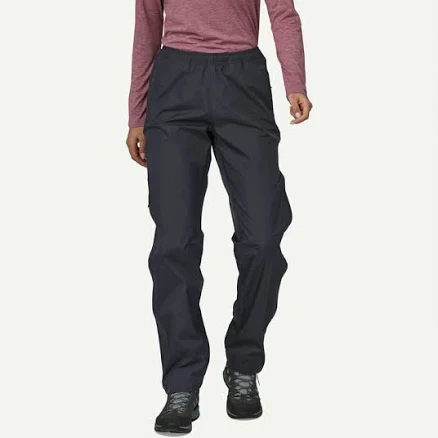
- Nylon with water-repellent coating water-repellent coating finish
- The brand calls it PFAS-free, which we have not verified
- water-repellent coating finish composition (unstated chemistry)
2 hazards checked on this product, all on its full breakdown.
Find an alternative on Amazon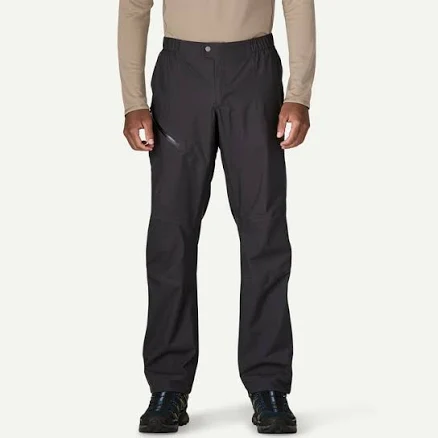
- Nylon with water-repellent coating (water-repellent coating) treatment
- The brand calls it PFAS-free, which we have not verified
- water-repellent coating chemistry (unknown composition)
2 hazards checked on this product, all on its full breakdown.
Find an alternative on Amazon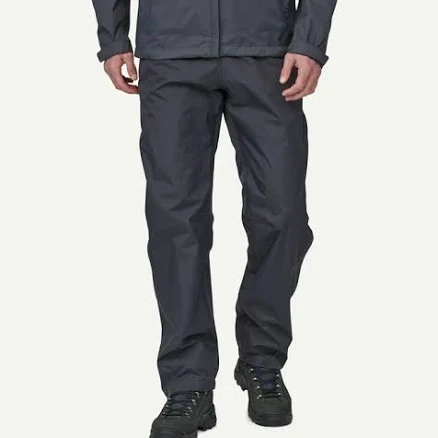
- Nylon with water-repellent coating (water-repellent coating) treatment
- The brand calls it PFAS-free, which we have not verified
- PFAS
3 hazards checked on this product, all on its full breakdown.
Find an alternative on AmazonMore rain pants grades
How we score, every product runs through the same public 0-100 rubric based on materials, coatings, brand disclosure, lab findings, and recalls. See the full methodology → Spotted a mistake? Report an error.