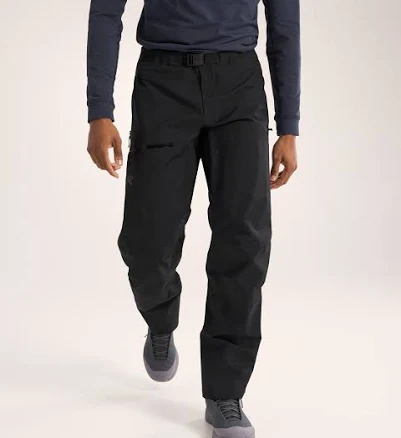
Arc'teryx Beta Pant Men's
Contact Arc'teryx directly or skip; no PFAS disclosure on waterproof apparel.
The Beta Pant's water-repellent coating-treated nylon shell is typical of technical rain gear, which has historically used PFAS. Arc'teryx hasn't made public PFAS-free claims or verified this product independently.
Still want this one anyway? Check the price on Amazon. We’d swap it.
Material
Nylon with water-repellent coating (water-repellent coating) finish
Lab data
No public lab test
You may also be interested in
Top-graded picks in the categories readers replace first, every one scored on the same rubric.

- polypropylene filter housing, carbon/sediment cartridge
- We found no PFAS statement from the brand
- Bacterial growth in spent cartridges
3 hazards checked on this product, all on its full breakdown.

Aquasure
Premier Series 75 GPD Under Sink Reverse Osmosis Water Filtration System
- RO membrane, carbon filters, stainless steel housing
- We found no PFAS statement from the brand
- Bacterial and microbial growth in housing and filters
4 hazards checked on this product, all on its full breakdown.

Avocado
Vegan Mattress
- organic cotton, natural latex, coconut coir, recycled steel coils
- The brand calls it PFAS-free, which we have not verified
- Heavy metals
2 hazards checked on this product, all on its full breakdown.
What Arc'teryx Beta Pant Men's is made of, ingredients and materials
Arc'teryx Beta Pant uses nylon (polyamide) fabric treated with a water-repellent coating finish to repel water without creating a sealed membrane like Gore-Tex. water-repellent coating finishes historically relied on Teflon-type coating-based or long-chain fluorocarbon compounds; Arc'teryx does not publicly specify which chemistry they use on this product. Nylon itself is stable under normal wear, but the finish durability and chemical composition are the primary safety variables here.
What’s concerning
Category baseline
The starting point for this type of product, before anything specific to this product is counted.
No PFAS disclosure
No public statement from the brand about PFAS in this product.
Waterproof / stain-resistant treatment
Water-repellent coating treatments have historically used PFAS.
PFAS
Standard nylon water-repellent coating treatments historically use fluorocarbon chemistry; Arc'teryx does not disclose which type. PFAS presence is likely unless explicitly stated otherwise by the brand.
Source, ATSDR ↗Formaldehyde / VOCs
Nylon fabric often uses formaldehyde-based resins during dyeing and finishing to set color and improve crease resistance. Arc'teryx does not specify resin chemistry; residual exposure is primarily dermal contact and inhalation of vapor during wear or washing.
Source, ATSDR ↗water-repellent coating degradation and reapplication chemicals
As water-repellent coating wears off, users often reapply commercial treatments (many still fluorocarbon-based). Arc'teryx does not recommend specific re-treatment products, leaving consumers to choose potentially more hazardous aftermarket options.
Microfiber shedding during washing
Nylon sheds synthetic microfibers when laundered, contributing to aquatic microplastic pollution. This is not a direct consumer hazard but reflects environmental concern with synthetic rain gear in general.
What’s reassuring
Azo dyes
No specific recalls or warnings exist for Arc'teryx apparel involving azo dyes. Premium brands typically avoid restricted azo compounds, but this product carries no public certification confirming compliance.
How is this PFAS grade calculated?
The brand's record and disclosure
Arc'teryx has not published detailed PFAS or chemical composition data for its rain apparel product line as of available public records. The brand markets sustainability credentials but does not disclose water-repellent coating chemistry (whether fluorocarbon-free or Teflon-type coating-based) on product pages or spec sheets. This silence on a known hazard class creates a transparency gap that distinguishes Arc'teryx from brands that explicitly commit to PFAS-free water repellency.
How it compares in its category
Arc'teryx Beta Pant occupies the premium performance segment; competitors like Patagonia now offer nylon rain shells with fluorocarbon-free water-repellent coating treatments, and some brands (e.g., Fjallraven, certain Outdoor Research lines) label PFAS status explicitly. Arc'teryx's refusal to disclose puts it behind leading category peers on chemical transparency, though durability and breathability ratings remain strong. The price premium does not reflect superior hazard disclosure or provenance certainty.
If you buy it
Contact Arc'teryx customer service directly to confirm whether the water-repellent coating finish contains fluorocarbon compounds or uses a PFAS-free alternative; do not assume marketing language like 'advanced' or 'durable' implies safety. Wash separately before first wear to remove potential finishing residues. Avoid high-heat drying; air dry or use low tumble to preserve the water-repellent coating and avoid vaporizing any residual treatments. Replace or retreat when water beading diminishes, typically after 2-3 seasons of heavy use.
What is not known about PFAS in this product?
- Basis
- Model estimate, 45% confidence, not a lab result
- Lab test
- None on record for this exact product
- Brand statement
- Arc'teryx has made a specific claim
Formulations change between production runs, so check the current label. How we grade.
What are the PFAS-free alternatives to Arc'teryx Beta Pant Men's?
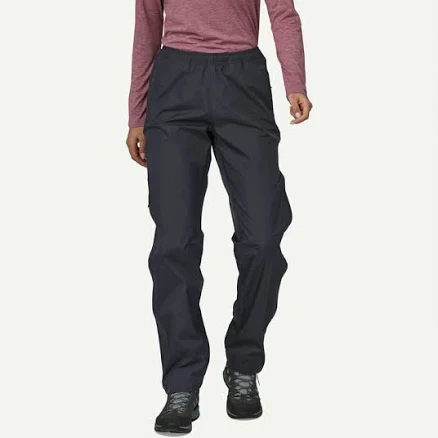
- Nylon with water-repellent coating water-repellent coating finish
- The brand calls it PFAS-free, which we have not verified
- water-repellent coating finish composition (unstated chemistry)
2 hazards checked on this product, all on its full breakdown.
Find an alternative on Amazon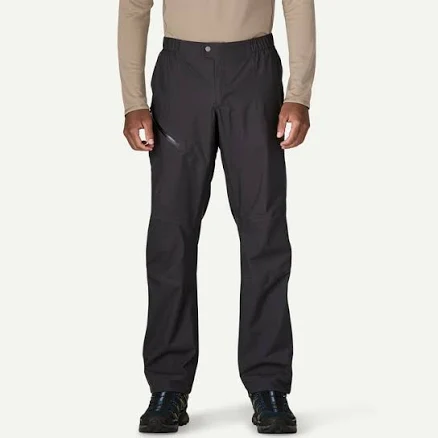
- Nylon with water-repellent coating (water-repellent coating) treatment
- The brand calls it PFAS-free, which we have not verified
- water-repellent coating chemistry (unknown composition)
2 hazards checked on this product, all on its full breakdown.
Find an alternative on Amazon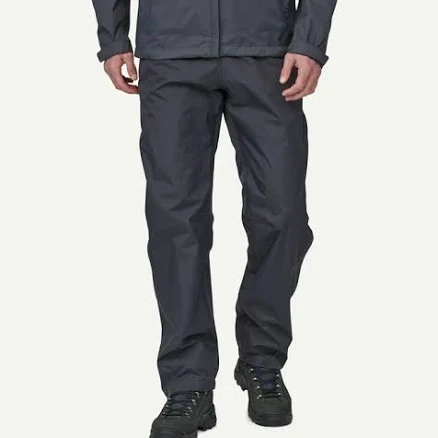
- Nylon with water-repellent coating (water-repellent coating) treatment
- The brand calls it PFAS-free, which we have not verified
- PFAS
3 hazards checked on this product, all on its full breakdown.
Find an alternative on AmazonMore rain pants grades
How we score, every product runs through the same public 0-100 rubric based on materials, coatings, brand disclosure, lab findings, and recalls. See the full methodology → Spotted a mistake? Report an error.