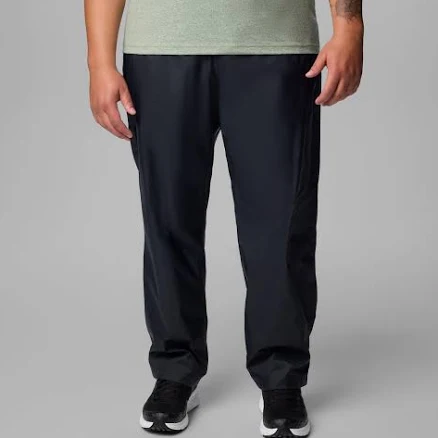
Columbia Men's Rebel Roamer II Nylon Pants
Avoid until Columbia discloses water-repellent coating chemistry; nylon typically uses PFAS water repellents.
Columbia hasn't revealed what water-repellent coating they use on the Rebel Roamer II. Nylon rain pants typically rely on PFAS-based Teflon-family coating coatings for water resistance.
Still want this one anyway? Check the price on Amazon. We’d swap it.
Material
Nylon with water-repellent coating (water-repellent coating) treatment
Lab data
No public lab test
You may also be interested in
Top-graded picks in the categories readers replace first, every one scored on the same rubric.

- polypropylene filter housing, carbon/sediment cartridge
- We found no PFAS statement from the brand
- Bacterial growth in spent cartridges
3 hazards checked on this product, all on its full breakdown.

Aquasure
Premier Series 75 GPD Under Sink Reverse Osmosis Water Filtration System
- RO membrane, carbon filters, stainless steel housing
- We found no PFAS statement from the brand
- Bacterial and microbial growth in housing and filters
4 hazards checked on this product, all on its full breakdown.

Avocado
Vegan Mattress
- organic cotton, natural latex, coconut coir, recycled steel coils
- The brand calls it PFAS-free, which we have not verified
- Heavy metals
2 hazards checked on this product, all on its full breakdown.
What Columbia Men's Rebel Roamer II Nylon Pants is made of, ingredients and materials
The Rebel Roamer II is constructed from nylon fabric treated with a water-repellent coating (water-repellent coating) finish to shed rain. Nylon itself is a synthetic polymer with established stability under normal wear and washing; the water-repellent coating is the chemical unknown. Most mass-market nylon rain apparel uses either PFAS-based (fluorocarbon) or newer non-PFAS water repellents, and Columbia has not publicly specified which chemistry is used in this model.
What’s concerning
Category baseline
The starting point for this type of product, before anything specific to this product is counted.
No PFAS disclosure
No public statement from the brand about PFAS in this product.
Waterproof / stain-resistant treatment
Water-repellent coating treatments have historically used PFAS.
PFAS
Nylon rain apparel water-repellent coating treatments historically rely on PFAS-based fluorocarbons (C8 or newer C6 chemistry). Columbia has not disclosed whether Rebel Roamer II uses PFAS or alternative repellents; no public testing or recalls of this specific model exist, but the material class carries high probability of PFAS exposure during wear, washing, and eventual disposal.
Source, ATSDR ↗Nylon fiber shedding and microfiber release
Nylon textiles release microfibers during washing and wear, particularly if the fabric degrades over time or from abrasion. Rebel Roamer II nylon construction does not appear to use special microfiber-blocking treatments; shedding is not a health hazard to wearer but is an environmental concern during care.
Nylon degradation and leaching under UV or heat stress
Prolonged exposure to direct sunlight or storage in hot environments can cause nylon polymers to degrade and potentially release oligomers or plasticizers. This risk is low under normal use and storage but increases if pants are left in hot vehicles or direct sun for extended periods.
What’s reassuring
Azo dyes in nylon coloration
Columbia does not publicly disclose dye formulations or azo-dye restrictions for apparel. Nylon fabrics can be colored with azo dyes that break down into potentially allergenic aromatic amines, but no specific recalls or test reports for Rebel Roamer II or Columbia nylon lines are on record.
Formaldehyde / VOCs
Some non-PFAS and legacy water-repellent coating treatments incorporate formaldehyde-releasing resins or crosslinkers. Columbia has not disclosed the finishing chemistry; no reports of formaldehyde release from this model exist. Standard apparel washing typically reduces residual formaldehyde to negligible levels before wear.
Source, ATSDR ↗How is this PFAS grade calculated?
The brand's record and disclosure
Columbia Sportswear does not maintain a publicly available water-repellent coating chemistry disclosure policy for its apparel lines. The company has not announced a timeline for transitioning to water repellents not linked to PFAS or committed to transparency about current formulations. This silence on a material health question is typical for mid-market outdoor brands but contrasts with competitors like Patagonia, which discloses and has committed to phasing PFAS from apparel.
How it compares in its category
Rain pants in this price and performance tier (mid-market outdoor) almost universally use some form of fluorinated or emerging non-fluorinated water-repellent coating. Columbia's Rebel Roamer II is functionally indistinguishable from peers like The North Face ThermoBall or Helly Hansen offerings in terms of disclosed hazard profile. Without third-party testing or brand disclosure, you cannot reliably determine whether it presents lower or higher concern than alternatives; the category itself lacks transparency.
If you buy it
Wash in cool to warm water with minimal detergent to preserve the water-repellent coating; avoid fabric softeners and high heat drying, which degrade water repellency and can stress the nylon. Do not machine dry on high heat. Reapply water-repellent coating treatment every 1-2 years or when water no longer beads on the surface. Store in a cool, dry place away from prolonged sunlight to minimize UV degradation of the nylon and finish.
What is not known about PFAS in this product?
- Basis
- Model estimate, 45% confidence, not a lab result
- Lab test
- None on record for this exact product
- Brand statement
- Columbia has made a specific claim
Formulations change between production runs, so check the current label. How we grade.
What are the PFAS-free alternatives to Columbia Men's Rebel Roamer II Nylon Pants?
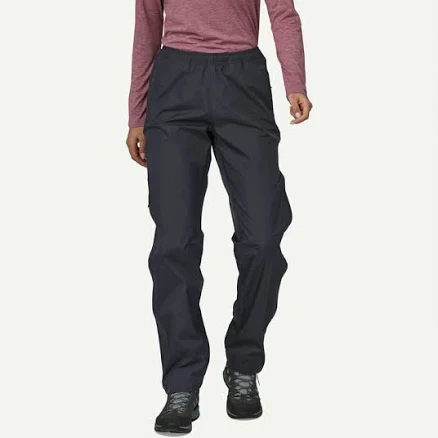
- Nylon with water-repellent coating water-repellent coating finish
- The brand calls it PFAS-free, which we have not verified
- water-repellent coating finish composition (unstated chemistry)
2 hazards checked on this product, all on its full breakdown.
Find an alternative on Amazon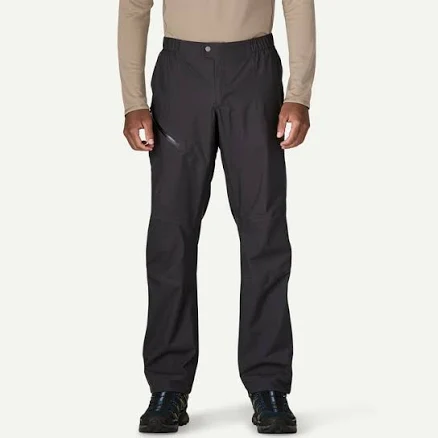
- Nylon with water-repellent coating (water-repellent coating) treatment
- The brand calls it PFAS-free, which we have not verified
- water-repellent coating chemistry (unknown composition)
2 hazards checked on this product, all on its full breakdown.
Find an alternative on Amazon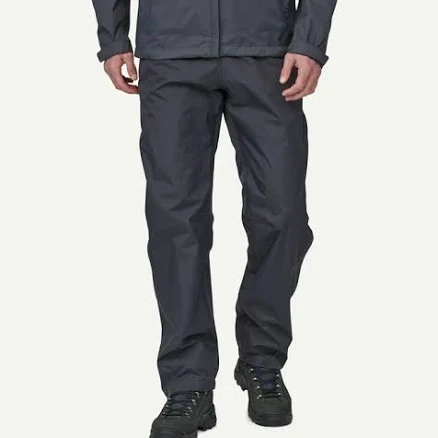
- Nylon with water-repellent coating (water-repellent coating) treatment
- The brand calls it PFAS-free, which we have not verified
- PFAS
3 hazards checked on this product, all on its full breakdown.
Find an alternative on AmazonMore rain pants grades
How we score, every product runs through the same public 0-100 rubric based on materials, coatings, brand disclosure, lab findings, and recalls. See the full methodology → Spotted a mistake? Report an error.