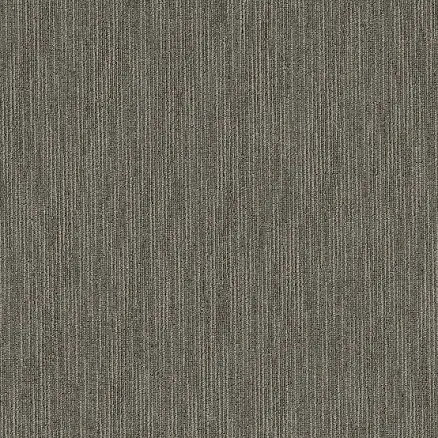
Patcraft Skill Savvy Carpet Tiles
Avoid unless Patcraft confirms what chemicals treat these tiles for stain resistance.
Skill Savvy carpet tiles resist stains and water but Patcraft stays silent on treatment chemicals. No third-party testing exists to rule out PFAS risk.
The better-graded swap
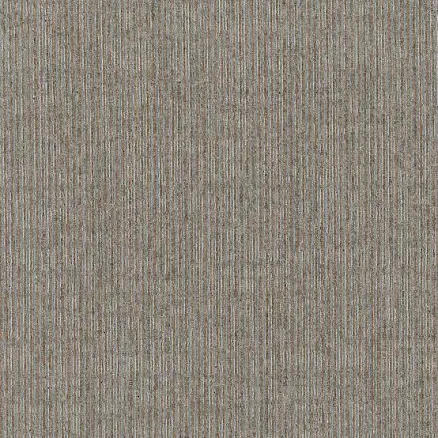
Mohawk
Mohawk Basics 24 x 24 Carpet Tile EnviroStrand PET Fiber
75/100 safety
Same rubric that flunked this product. The swap earned Excellent.
Still want this one anyway? Check the price on Amazon. We’d swap it.
Material
Nylon/polyester blend with unspecified stain/water treatments
Brand disclosure
Brand is silent on PFAS
Lab data
No public lab test
You may also be interested in
Top-graded picks in the categories readers replace first, every one scored on the same rubric.

- polypropylene filter housing, carbon/sediment cartridge
- We found no PFAS statement from the brand
- Bacterial growth in spent cartridges
3 hazards checked on this product, all on its full breakdown.

Aquasure
Premier Series 75 GPD Under Sink Reverse Osmosis Water Filtration System
- RO membrane, carbon filters, stainless steel housing
- We found no PFAS statement from the brand
- Bacterial and microbial growth in housing and filters
4 hazards checked on this product, all on its full breakdown.

Avocado
Vegan Mattress
- organic cotton, natural latex, coconut coir, recycled steel coils
- The brand calls it PFAS-free, which we have not verified
- Heavy metals
2 hazards checked on this product, all on its full breakdown.
What Patcraft Skill Savvy Carpet Tiles is made of, ingredients and materials
Skill Savvy tiles are a nylon and polyester blend, both synthetic fibers common in commercial carpet. The real concern is the unspecified stain and water treatments applied to these tiles. Manufacturers typically use fluorochemical coatings (which contain PFAS) or other proprietary repellents to make carpet resistant to spills and staining. Without knowing which treatment Patcraft used, you cannot assess whether you are purchasing carpet treated with persistent, bioaccumulative chemicals.
What’s concerning
Category baseline
The starting point for this type of product, before anything specific to this product is counted.
No PFAS disclosure
No public statement from the brand about PFAS in this product.
Waterproof / stain-resistant treatment
Water-repellent coating treatments have historically used PFAS.
PFAS
Unspecified stain/water treatments on nylon/polyester carpet tiles are very likely to contain fluorochemical coatings unless explicitly stated otherwise. Patcraft's silence on this point and poor PFAS stance (30/100) strongly suggests standard PFAS-based repellents are used, which persist in the environment and bioaccumulate.
Source, ATSDR ↗Formaldehyde / VOCs
Carpet tile backing often uses urea-formaldehyde resins to bond layers. While Skill Savvy's backing composition is not detailed, nylon/polyester blends with unspecified adhesives typically contain low-to-moderate formaldehyde levels that off-gas during installation and first weeks of use.
Source, ATSDR ↗Volatile organic compounds (VOCs) from synthetic fibers and treatments
Nylon and polyester fibers, especially when treated with chemical coatings, release VOCs during manufacturing and after installation. Commercial carpet tiles in general are known to contribute to indoor air quality concerns; no specific VOC testing data for Skill Savvy is publicly available, but this is a standard risk for the material class.
Azo dyes in polyester component
The polyester portion of this blend may be dyed with azo dyes, some of which are restricted in the EU but still legal in the US. Patcraft does not disclose dye chemistry. Azo dyes are not typically absorbed through skin when sitting on finished carpet, but manufacturing workers and the product itself carry risk.
Microfiber shedding and inhalation
Nylon/polyester carpet tiles shed microfibers during installation, vacuuming, and normal wear. Chronic inhalation of carpet fibers is associated with respiratory irritation in sensitive individuals, particularly during the first few months after installation in enclosed spaces.
How is this PFAS grade calculated?
The brand's record and disclosure
Patcraft is a commercial carpet manufacturer owned by Engineered Floors. The company does not publicly disclose what specific stain and water resistance treatments are used in Skill Savvy tiles, nor have they issued statements committing to PFAS-free formulations. No major recalls specific to this product line are on public record. This silence on chemical inputs is the primary red flag, as transparency around treatments is now expected in the carpet industry.
How it compares in its category
Many commercial carpet tile brands now voluntarily disclose PFAS-free stain treatments or carry certifications like GreenGuard or FloorScore that require ingredient transparency. Patcraft's Skill Savvy line lacks these third-party certifications. Mid-tier competitors like Mohawk offer similar nylon/polyester blends with documented lower-concern stain treatments. The absence of marketing around PFAS concern reduction suggests Patcraft may not have made this a priority for this product.
If you buy it
Contact Patcraft directly and request a material safety data sheet (MSDS) or technical specification document stating the exact brand and chemistry of stain and water treatments before ordering. Ensure installation is in well-ventilated spaces to minimize any off-gassing during the first 48-72 hours after installation. Vacuum regularly and avoid steam cleaning unless manufacturer explicitly approves the method. Replace tiles within 10-15 years or if visible degradation, pilling, or odor develops, as older synthetic fibers can break down and release particles.
What is not known about PFAS in this product?
- Basis
- Model estimate, 35% confidence, not a lab result
- Lab test
- None on record for this exact product
- Brand statement
- Patcraft has made none
Formulations change between production runs, so check the current label. How we grade.
What are the PFAS-free alternatives to Patcraft Skill Savvy Carpet Tiles?
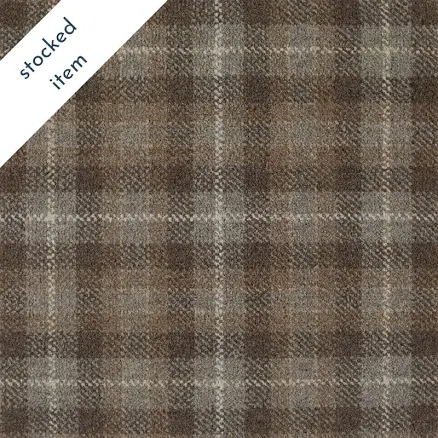
- wool plaid, Axminster weave
- We found no PFAS statement from the brand
- Formaldehyde / VOCs
4 hazards checked on this product, all on its full breakdown.
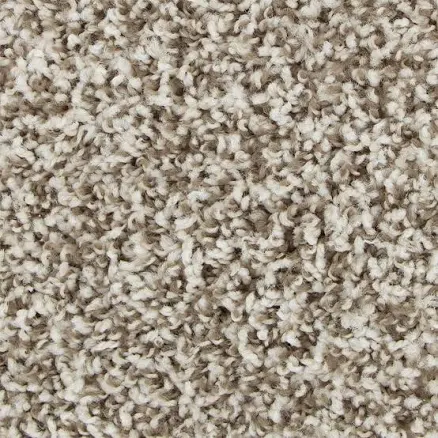
- polyester fiber, untreated
- We found no PFAS statement from the brand
- Formaldehyde / VOCs
4 hazards checked on this product, all on its full breakdown.
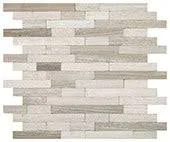
- Ceramic tile, porcelain, or stone composite
- We found no PFAS statement from the brand
- Volatile Organic Compounds (VOCs) from installation adhesives and grout
4 hazards checked on this product, all on its full breakdown.
More carpets & rugs grades
How we score, every product runs through the same public 0-100 rubric based on materials, coatings, brand disclosure, lab findings, and recalls. See the full methodology → Spotted a mistake? Report an error.