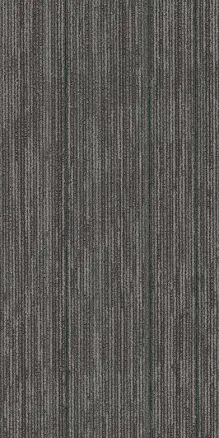
Shaw / Grey/Black Patcraft Streamline Carpet Tile
Stain-resistant treatment chemistry not stated. Higher concern due to material type and finish.
Streamline tiles have a stain-resistant treatment, a trait the carpet industry typically achieves with PFAS. Patcraft has no PFAS statement on record and does not disclose the treatment's chemistry.
The better-graded swap
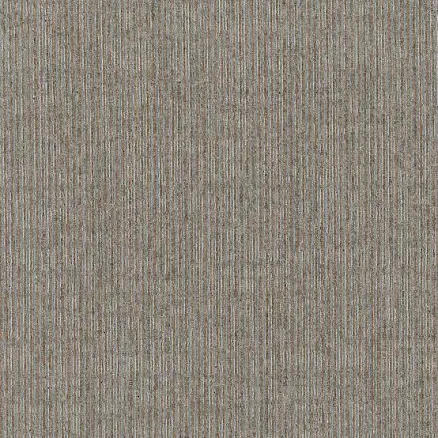
Mohawk
Mohawk Basics 24 x 24 Carpet Tile EnviroStrand PET Fiber
75/100 safety
Same rubric that flunked this product. The swap earned Excellent.
Still want this one anyway? Check the price on Amazon. We’d swap it.
Material
Nylon/polyester carpet tile with stain-resistant treatment
Brand disclosure
Brand is silent on PFAS
Lab data
No public lab test
You may also be interested in
Top-graded picks in the categories readers replace first, every one scored on the same rubric.

- polypropylene filter housing, carbon/sediment cartridge
- We found no PFAS statement from the brand
- Bacterial growth in spent cartridges
3 hazards checked on this product, all on its full breakdown.

Aquasure
Premier Series 75 GPD Under Sink Reverse Osmosis Water Filtration System
- RO membrane, carbon filters, stainless steel housing
- We found no PFAS statement from the brand
- Bacterial and microbial growth in housing and filters
4 hazards checked on this product, all on its full breakdown.

Avocado
Vegan Mattress
- organic cotton, natural latex, coconut coir, recycled steel coils
- The brand calls it PFAS-free, which we have not verified
- Heavy metals
2 hazards checked on this product, all on its full breakdown.
What Shaw / Grey/Black Patcraft Carpet Tile is made of, ingredients and materials
This carpet tile uses a nylon and polyester blend pile on a backing material, standard for commercial modular flooring. The stain-resistant treatment applied to the surface is the critical unknown, such treatments commonly contain PFAS compounds (perfluorinated chemicals) to repel water and oil-based stains. Nylon itself does not release harmful volatiles under normal indoor conditions, but the finish chemistry determines actual safety.
What’s concerning
Category baseline
The starting point for this type of product, before anything specific to this product is counted.
No PFAS disclosure
No public statement from the brand about PFAS in this product.
Waterproof / stain-resistant treatment
Water-repellent coating treatments have historically used PFAS.
Volatile Organic Compounds (VOCs) from stain finish and adhesive
Installation and initial curing may release VOCs from the undisclosed stain treatment and trowel-applied adhesive. While nylon fiber itself is stable, the chemical formulation of the finish layer is not publicly documented and could contribute to indoor air quality concerns in poorly ventilated spaces.
Microplastics
Like all nylon and polyester carpets, Streamline tiles will shed microfibers during vacuuming and foot traffic. While this does not pose a direct inhalation risk in normal residential use, accumulated fibers can enter dust and require HEPA filtration for mitigation.
Source, EPA ↗PFAS
Even non-PFAS stain treatments can leach into dust or transfer to skin with prolonged contact. The specific polymer or silicone base of Patcraft's finish is undisclosed, preventing assessment of long-term off-gassing or accumulation in household dust.
Source, ATSDR ↗What’s reassuring
Flame retardants
No specific flame retardant additives have been identified in publicly available Patcraft Streamline documentation. Commercial carpet tiles typically meet fire codes through nylon's intrinsic properties rather than added chemicals, but this product's backing material composition is not detailed.
Source, EPA ↗Formaldehyde / VOCs
Formaldehyde is not a typical component of modern polyester or nylon carpet backing, and no recalls or complaints specific to this product cite formaldehyde off-gassing. However, the undisclosed nature of all chemical treatments means residual traces cannot be fully ruled out.
Source, ATSDR ↗How is this PFAS grade calculated?
The brand's record and disclosure
Patcraft (owned by Interface) has not publicly committed to PFAS-free stain treatments or disclosed which fluorochemicals, if any, are used in their Streamline line. Interface has made sustainability statements on recycled content and carbon, but remains silent on the stain-resistant chemistry despite industry awareness of PFAS health risks. No recalls or safety controversies specific to this product are on record, but the lack of transparency on formulation is a material concern.
How it compares in its category
Most commercial carpet tiles use stain treatments, so Patcraft Streamline is typical in this respect. Some competitors (notably Tarkett and some Interface lines) now market PFAS-free or reduced-fluorochemical options, making this tile's non-disclosure stance less competitive on safety grounds. For equivalent performance without disclosed PFAS avoidance, consumers face a choice between unknown risk and documented alternatives.
If you buy it
Ventilate the installation space well during and immediately after laying to minimize exposure to any volatile off-gassing from adhesives and treatments. Avoid steam cleaning or excessive heat exposure, which can degrade both the pile and potentially mobilize finish chemicals. Regular vacuuming with a HEPA filter presents lower concern; spot cleaning with mild soap and water is preferable to chemical spotters. Plan to replace tiles if visible wear or coating loss occurs within 5-7 years.
What is not known about PFAS in this product?
- Basis
- Model estimate, 45% confidence, not a lab result
- Lab test
- None on record for this exact product
- Brand statement
- Patcraft has made none
Formulations change between production runs, so check the current label. How we grade.
What are the PFAS-free alternatives to Shaw / Grey/Black Patcraft Streamline Carpet Tile?
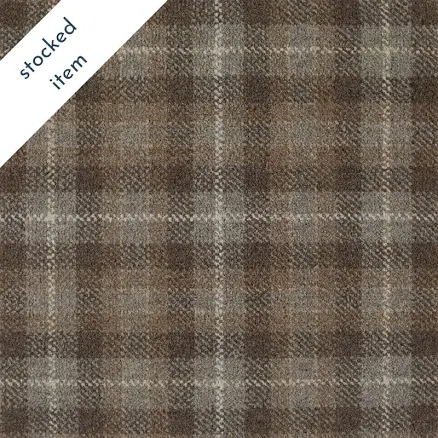
- wool plaid, Axminster weave
- We found no PFAS statement from the brand
- Formaldehyde / VOCs
4 hazards checked on this product, all on its full breakdown.
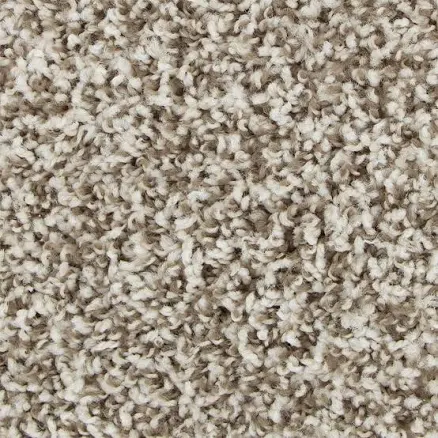
- polyester fiber, untreated
- We found no PFAS statement from the brand
- Formaldehyde / VOCs
4 hazards checked on this product, all on its full breakdown.
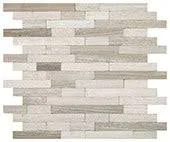
- Ceramic tile, porcelain, or stone composite
- We found no PFAS statement from the brand
- Volatile Organic Compounds (VOCs) from installation adhesives and grout
4 hazards checked on this product, all on its full breakdown.
More carpets & rugs grades
How we score, every product runs through the same public 0-100 rubric based on materials, coatings, brand disclosure, lab findings, and recalls. See the full methodology → Spotted a mistake? Report an error.