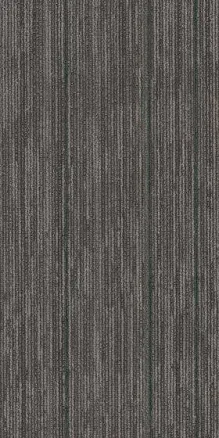
Shaw Patcraft Streamline Carpet Tile Strie Green 18" x 36" Premium (63 sq ft/ctn)
Avoid until Patcraft reveals its stain-treatment formula or provides independent PFAS testing.
Streamline carpet tiles have marketed stain and water resistance, yet Patcraft discloses nothing about the treatment formula. No third-party verification backs up PFAS safety claims.
The better-graded swap
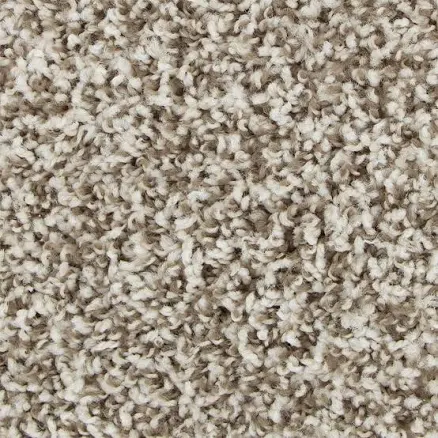
Style Selections
Style Selections Timeless Brown Polyester Textured Indoor Carpet
75/100 safety
Same rubric that flunked this product. The swap earned Excellent.
Still want this one anyway? Check the price on Amazon. We’d swap it.
Material
Polypropylene carpet tile with unknown stain/water treatment
Brand disclosure
Brand is silent on PFAS
Lab data
No public lab test
You may also be interested in
Top-graded picks in the categories readers replace first, every one scored on the same rubric.

- polypropylene filter housing, carbon/sediment cartridge
- We found no PFAS statement from the brand
- Bacterial growth in spent cartridges
3 hazards checked on this product, all on its full breakdown.

Aquasure
Premier Series 75 GPD Under Sink Reverse Osmosis Water Filtration System
- RO membrane, carbon filters, stainless steel housing
- We found no PFAS statement from the brand
- Bacterial and microbial growth in housing and filters
4 hazards checked on this product, all on its full breakdown.

Avocado
Vegan Mattress
- organic cotton, natural latex, coconut coir, recycled steel coils
- The brand calls it PFAS-free, which we have not verified
- Heavy metals
2 hazards checked on this product, all on its full breakdown.
What Shaw Patcraft Streamline (63 sq ft/ctn) is made of, ingredients and materials
Shaw Patcraft Streamline is a polypropylene (PP) carpet tile, a thermoplastic synthetic fiber chosen for durability and stain resistance in commercial and residential settings. Polypropylene itself is chemically stable at room temperature and does not off-gas significantly like some other synthetics. However, the stain and water treatment applied to these tiles remains proprietary and undisclosed by Patcraft, which is the primary concern given the PFAS risk profile.
What’s concerning
Category baseline
The starting point for this type of product, before anything specific to this product is counted.
No PFAS disclosure
No public statement from the brand about PFAS in this product.
Waterproof / stain-resistant treatment
Water-repellent coating treatments have historically used PFAS.
PFAS
Patcraft does not disclose whether Streamline uses legacy perfluorinated compounds or newer fluorotelomer-based treatments. Both are documented PFAS, and undisclosed formulations are a significant concern for off-gassing and dust ingestion risk, especially in homes with children or pets.
Source, ATSDR ↗Flame retardants
Polypropylene carpet tiles often contain flame retardant compounds to meet building codes. Patcraft's Streamline specifications do not confirm whether brominated, chlorinated, or phosphorus-based retardants are used; if present, these can off-gas or accumulate in household dust over time.
Source, EPA ↗Volatile organic compound (VOC) off-gassing
Polypropylene itself is stable, but adhesives, backing resins, and treatment chemicals can emit VOCs during and after installation. Streamline tiles do not carry third-party air quality certifications (e.g., FloorScore, GreenGuard), making VOC profile unclear.
Microplastic shedding from pile wear
Polypropylene fibers break down and shed microparticles with foot traffic, particularly in high-traffic areas or if vacuumed aggressively. These particles can become airborne or settle in household dust and pose inhalation risk if accumulated over years.
What’s reassuring
Heavy metals
No recalls or public testing of Patcraft Streamline for lead, cadmium, or other heavy metals in dyes have been documented. Polypropylene dyes are generally less problematic than ceramic glazes, but Patcraft does not publish colorant safety data.
Source, FDA ↗How is this PFAS grade calculated?
The brand's record and disclosure
Patcraft (owned by Shaw Industries, a Berkshire subsidiary) has not publicly committed to PFAS phase-out or independent testing of its stain treatments. The brand maintains silence on its fluorochemical formulations, a red flag in an industry where competitors increasingly disclose or eliminate PFAS. No major recalls or formaldehyde resin controversies are on record for Patcraft carpet tiles, but transparency on treatment chemistry remains absent.
How it compares in its category
Commercial-grade polypropylene tiles are standard in the market; Streamline is a mid-range offering. Many premium competitors (Interface, Desso) now provide PFAS-free certifications or third-party testing results. Budget and eco-certified alternatives exist but are less common at this price point. Patcraft's lack of disclosure puts it below competitors on transparency even if material durability is comparable.
If you buy it
Ensure good ventilation during installation and for 48-72 hours after; polypropylene tiles shed minimal VOCs but installation dust should be managed. Avoid steam cleaning or prolonged high-temperature exposure (above 185°F / 85°C), which can degrade the fiber and potentially mobilize treatment residues. Clean spills immediately with water and mild soap to minimize stain-treatment contact with skin. Replace tiles if visible wear, discoloration, or delamination appears; do not attempt to re-treat tiles yourself with additional fluorochemicals.
What is not known about PFAS in this product?
- Basis
- Model estimate, 35% confidence, not a lab result
- Lab test
- None on record for this exact product
- Brand statement
- Patcraft has made none
Formulations change between production runs, so check the current label. How we grade.
What are the PFAS-free alternatives to Shaw Patcraft Streamline Carpet Tile Strie Green 18" x 36" Premium (63 sq ft/ctn)?
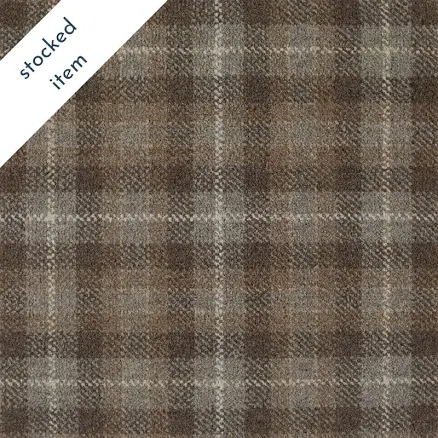
- wool plaid, Axminster weave
- We found no PFAS statement from the brand
- Formaldehyde / VOCs
4 hazards checked on this product, all on its full breakdown.
- polyester fiber, untreated
- We found no PFAS statement from the brand
- Formaldehyde / VOCs
4 hazards checked on this product, all on its full breakdown.
- Ceramic tile, porcelain, or stone composite
- We found no PFAS statement from the brand
- Volatile Organic Compounds (VOCs) from installation adhesives and grout
4 hazards checked on this product, all on its full breakdown.
More carpets & rugs grades
How we score, every product runs through the same public 0-100 rubric based on materials, coatings, brand disclosure, lab findings, and recalls. See the full methodology → Spotted a mistake? Report an error.