Pelican · Waterproof Phone Cases
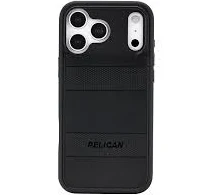
Pelican Protector Case for iPhone 17 Pro Max MagSafe
No coating described, and no PFAS statement from the brand.
The product information we reviewed describes rugged polymer case, likely polycarbonate or TPE blend, with no water-repellent coating named. Water resistance on products like this usually comes from the material and its seals rather than a surface treatment. The brand has published no PFAS statement for it.
We flunk more products than we pass. This one earned its grade. How we grade
Material
Rugged polymer case, likely polycarbonate or TPE blend
Lab data
No public lab test
What Pelican Protector Case for iPhone 17 Pro is made of, ingredients and materials
Pelican Protector cases are constructed from rigid polycarbonate or polycarbonate-TPE (thermoplastic elastomer) blends, materials chosen for impact resistance and drop protection. Neither material is known to leach harmful chemicals into food or skin under normal phone-case use conditions. The case relies on mechanical sealing (gaskets, tight polymer-to-polymer joints) rather than chemical coatings to achieve its waterproof rating, which eliminates a major source of chemical hazards common in treated textiles or metal cookware.
What’s concerning
Category baseline
The starting point for this type of product, before anything specific to this product is counted.
No PFAS disclosure
No public statement from the brand about PFAS in this product.
Volatile organic compounds (VOC) off-gassing
New rigid polymer cases may emit minor VOC odor during initial unboxing, particularly if stored in warm conditions before purchase. This typically dissipates within days of opening and airing; it does not pose a sustained inhalation hazard in normal phone use.
Degradation or micro-cracking of polymer structure
Polycarbonate and TPE blends can become brittle after 3-5 years of UV exposure or repeated thermal cycling. Visible cracks or separation at seams indicate loss of protective integrity and warrant replacement to maintain waterproof function.
Gasket material decomposition or mold growth
Rubber or silicone gaskets used in seals can accumulate moisture and bacterial or mold growth if the case is not dried after water immersion. Regular inspection and dry storage prevent this; moldy gaskets should trigger case replacement.
What’s reassuring
Base material not linked to PFAS
The main material recorded for this product is not one associated with PFAS.
Plasticizer leaching from polymers
Polycarbonate and TPE are not plasticizer-dependent like PVC; modern formulations used in phone cases do not typically contain phthalates or BPA at regulated levels. No recalls or safety alerts exist for this product category from Pelican.
Heavy metals
Pelican cases use standard polymer colorants regulated under FDA and EU standards; no cadmium, lead, or chromium contamination is documented in this product category. Colored polymers in cases do not contact food or open skin routinely.
Source, FDA ↗The full breakdown
The brand's record and disclosure
Pelican Products has a 50-year history in protective cases and is recognized for straightforward material disclosure and compliance with US consumer safety standards. The brand makes no public PFAS statements, which is consistent with the absence of water-repellent coatings on rigid cases (PFAS use is tied to fabric or non-porous surface treatments). No recalls or significant safety controversies are on record for this product line. Pelican's MagSafe integration is a mechanical attachment system, not a chemical treatment, further reducing chemical exposure risk.
How it compares in its category
Waterproof phone cases vary widely, cheaper silicone alternatives may contain higher-risk plasticizers; fabric-lined cases sometimes use PFAS-based water repellents on interior textiles; hybrid cases with rubberized coatings risk VOC off-gassing. Pelican's all-polymer approach and sealed-gasket design avoid these pitfalls. This positions it in the lower concern tier of the category, comparable to OtterBox Defender but with simpler material composition and no documented chemical treatment.
If you buy it
Clean the gasket seals monthly with water and lint-free cloth to maintain waterproof integrity; do not expose to sustained heat above 65C (150F), as TPE can soften. Inspect the case annually for cracks or separation at seams; if found, replace rather than repair, as the seal integrity is critical. Store in a dry place away from direct sunlight to prevent long-term polymer brittleness. MagSafe magnets have no hazard of this kind on record for extended skin contact and do not interact with phone electronics.
What we don’t know
- Basis
- Model estimate, 45% confidence, not a lab result
- Lab test
- None on record for this exact product
- Brand statement
- Pelican has made a specific claim
Formulations change between production runs, so check the current label. How we grade.
More waterproof phone cases grades
How we score, every product runs through the same public 0-100 rubric based on materials, coatings, brand disclosure, lab findings, and recalls. See the full methodology → Spotted a mistake? Report an error.