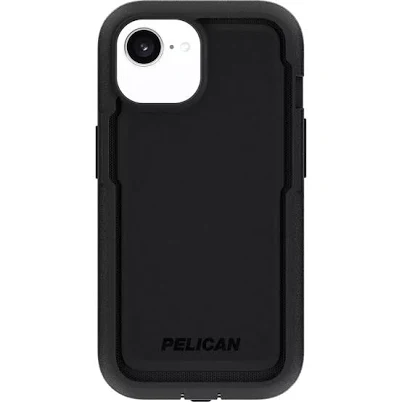
Pelican · Waterproof Smartphone Cases
Pelican Voyager MagSafe Case for Apple iPhone 16e / iPhone 15 / iPhone 14 /
No coating described, and no PFAS statement from the brand.
The product information we reviewed describes thermoplastic elastomer (TPE) and polycarbonate, with no water-repellent coating named. Water resistance on products like this usually comes from the material and its seals rather than a surface treatment. The brand has published no PFAS statement for it.
We flunk more products than we pass. This one earned its grade. How we grade
Material
Thermoplastic elastomer (TPE) and polycarbonate
Lab data
No public lab test
You may also be interested in
Top-graded picks in the categories readers replace first, every one scored on the same rubric.

- polypropylene filter housing, carbon/sediment cartridge
- We found no PFAS statement from the brand
- Bacterial growth in spent cartridges
3 hazards checked on this product, all on its full breakdown.

Aquasure
Premier Series 75 GPD Under Sink Reverse Osmosis Water Filtration System
- RO membrane, carbon filters, stainless steel housing
- We found no PFAS statement from the brand
- Bacterial and microbial growth in housing and filters
4 hazards checked on this product, all on its full breakdown.

Avocado
Vegan Mattress
- organic cotton, natural latex, coconut coir, recycled steel coils
- The brand calls it PFAS-free, which we have not verified
- Heavy metals
2 hazards checked on this product, all on its full breakdown.
What Pelican Voyager MagSafe Case for Apple / is made of, ingredients and materials
This case combines thermoplastic elastomer (TPE) for impact absorption and polycarbonate for rigid structural protection. TPE is a thermoset rubber-plastic hybrid commonly used in phone cases because it resists degradation from daily handling, UV exposure, and temperature swings typical of mobile device use. Polycarbonate provides scratch resistance and clarity for screen and camera access. Neither material is known to leach toxic compounds into food or skin under normal smartphone case conditions, and the sealed construction prevents internal moisture accumulation that could cause material breakdown.
What’s concerning
Category baseline
The starting point for this type of product, before anything specific to this product is counted.
No PFAS disclosure
No public statement from the brand about PFAS in this product.
Microplastic shedding during use
Mechanical wear on TPE edges and corners over years of use may generate microscopic elastomer particles, particularly if the case is dropped repeatedly or rubbed against rough surfaces. This is a minor concern for a phone case (not ingested) but notable for environmental persistence if disposed of improperly.
Mold or bacterial growth inside sealed case
If the case is exposed to freshwater immersion or stored wet without drying, the sealed interior can trap moisture and encourage mold growth on the phone or case interior. This is a hygiene and maintenance issue rather than a chemical safety hazard, but relevant to users in humid climates.
What’s reassuring
Base material not linked to PFAS
The main material recorded for this product is not one associated with PFAS.
Plasticizer migration from TPE
TPE formulations in phone cases are not typically loaded with phthalate plasticizers because the material does not require them for elasticity. No recalls or safety alerts linking Pelican cases to plasticizer leaching have been documented in public health records.
BPA & bisphenols
While polycarbonate can contain BPA as a monomer, migration into skin or food is negligible under normal smartphone case use because the product does not contact food, beverages, or prolonged skin exposure at temperatures that trigger leaching. The sealed exterior further isolates the plastic from direct contact.
Source, FDA ↗Off-gassing or volatile organic compounds (VOCs)
TPE and polycarbonate are thermally processed materials that may release trace volatile compounds during initial manufacturing, but off-gassing from finished Pelican cases has not been documented or cited in safety reports. Any initial smell typically dissipates within 48 hours of opening.
How is this PFAS grade calculated?
The brand's record and disclosure
Pelican is known for rigorous industrial-grade protective cases and has built a reputation on durability and material transparency in the outdoor/rugged goods space. The brand has not issued a public PFAS statement for consumer smartphone cases, which aligns with the fact that no water-repellent fluorinated coatings are described in this product's design. Pelican cases have not triggered significant safety recalls related to material leaching or off-gassing in the consumer record. The company's heritage in military and law enforcement gear suggests manufacturing quality controls, though independent lab certifications specific to consumer chemical safety are not routinely published for accessory makers.
How it compares in its category
Waterproof smartphone cases typically rely on sealed gaskets and material thickness rather than surface coatings to achieve water resistance, making TPE/polycarbonate combinations a standard choice with lower concern than cases relying on PFAS-based water repellents. Compared to cheaper silicone or uncontrolled elastomer cases, Pelican's materials are known to resist yellowing and plasticizer migration over time. Most competitors in the premium protection segment use similar thermoplastic blends, so this case sits in a lower-hazard tier relative to bargain-brand alternatives, which may use recycled or lower-grade plastics with higher off-gassing risk.
If you buy it
Keep the case away from sustained direct heat (above 60 degrees Celsius / 140 degrees Fahrenheit), as prolonged exposure can soften TPE and compromise the seal. Inspect gaskets and seals quarterly for visible cracks, debris, or hardening; clean with mild soap and water before water-immersion activities. Do not store the case in direct sunlight for extended periods, as UV can degrade the elastomer slightly over years of use. Replace the case if the MagSafe mechanism loses adhesion or if you notice permanent deformation, which signals material fatigue and may indicate the seal is no longer reliable.
What is not known about PFAS in this product?
- Basis
- Model estimate, 35% confidence, not a lab result
- Lab test
- None on record for this exact product
- Brand statement
- Pelican has made a specific claim
Formulations change between production runs, so check the current label. How we grade.
More waterproof smartphone cases grades
How we score, every product runs through the same public 0-100 rubric based on materials, coatings, brand disclosure, lab findings, and recalls. See the full methodology → Spotted a mistake? Report an error.