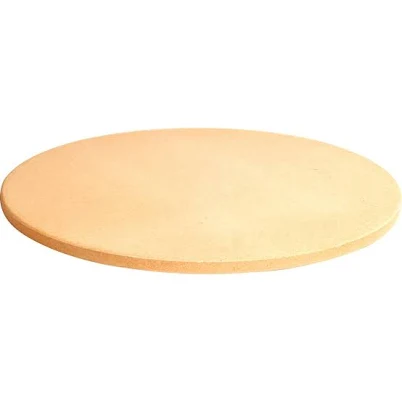
Pizzacraft · Pizza Stones & Baking Surfaces
Charcoal Companion Pizzacraft Round Pizza Stone
Low-Medium risk. Uncoated natural stone carries minimal PFAS risk.
This cordierite stone comes uncoated and avoids the Teflon-family coating and water-repellent treatments that normally add PFAS. The plain stone composition presents lower risk than treated cookware.
The better-graded swap
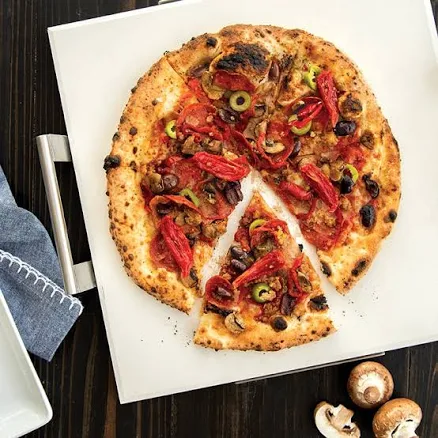
Deluxe Square Pizza Stone with Rack
90/100 safety
Same rubric that flunked this product. The swap earned Excellent.
Still want this one anyway? Check the price on Amazon. We’d swap it.
Material
Cordierite stone (uncoated)
Brand disclosure
Brand is silent on PFAS
Lab data
No public lab test
You may also be interested in
Top-graded picks in the categories readers replace first, every one scored on the same rubric.

Aqua Pure
3M Aqua-Pure AP802B Whole House Filter Housing
- polypropylene filter housing, carbon/sediment cartridge
- We found no PFAS statement from the brand
- Bacterial growth in spent cartridges
3 hazards checked on this product. See all of them.

Aquasure
Premier Series 75 GPD Under Sink Reverse Osmosis Water Filtration System
- RO membrane, carbon filters, stainless steel housing
- We found no PFAS statement from the brand
- Bacterial and microbial growth in housing and filters
4 hazards checked on this product. See all of them.

Avocado
Vegan Mattress
- organic cotton, natural latex, coconut coir, recycled steel coils
- The brand calls it PFAS-free, which we have not verified
- Heavy metals
2 hazards checked on this product. See all of them.
Is Charcoal Companion Pizzacraft Round Pizza non-toxic? What it is made of
This product is cordierite stone, a naturally occurring mineral composite (magnesium aluminum silicate) that is thermally stable and designed to absorb and distribute heat evenly during baking. Cordierite is chemically inert at typical pizza-oven temperatures (up to 900F+) and does not contain Teflon-type coating, ceramic glazes, or synthetic coatings that would introduce leaching or fume risks. Unlike some cheaper ceramic or stoneware pizza stones, uncoated cordierite avoids the hazard category of glaze degradation or heavy-metal contaminants in surface treatments.
What’s concerning
Category baseline
The starting point for this type of product, before anything specific to this product is counted.
No PFAS disclosure
No public statement from the brand about PFAS in this product.
Thermal shock and structural failure
Cordierite stones can crack if exposed to rapid temperature changes, creating crevices that harbor bacteria. This is a durability and hygiene risk, not a chemical hazard, but relevant to food contact suitability.
Mineral leaching (silica, magnesium, aluminum)
Cordierite is a silicate mineral; extremely low leaching of silica or trace minerals is theoretically possible under extreme heat and acidic conditions, but no documented health incidents from pizza-stone use exist. Risk is negligible under normal cooking conditions.
Microbial growth from surface degradation
If the stone cracks or develops pores over time, bacteria can colonize crevices. Regular inspection and replacement when cracked minimizes this risk.
What’s reassuring
Base material not linked to PFAS
The main material recorded for this product is not one associated with PFAS.
Lead
This product is uncoated cordierite with no ceramic glaze, enamel, or paint layer. No glazing hazards are applicable.
Source, ATSDR ↗Teflon-type coating fume emissions
Cordierite is a natural stone with no Teflon-type coating. This hazard class does not apply.
The full breakdown
The brand's record and disclosure
Pizzacraft is a established cookware brand focused on pizza equipment and outdoor cooking accessories. The company does not publish detailed material safety certifications or PFAS/chemical-free declarations on this product line. No significant recalls or safety controversies specific to this cordierite pizza stone are on public record. Brand transparency on chemical composition is minimal, but this is typical for the pizza-stone category; cordierite itself is a well-understood, commodity material in food-contact bakeware.
How it compares in its category
Cordierite pizza stones are standard and represent lower concern in the category. They compare favorably to ceramic-coated cast-iron griddles or glazed stoneware, which carry glaze-contaminant risks. They are broadly equivalent to other uncoated cordierite competitors (e.g., Emile Henry, Lodge cordierite stones) in terms of material safety. Cost and durability are competitive; cordierite is durable but can crack if thermally shocked, a shared limitation across the category.
If you buy it
Season or pre-heat the stone slowly before first use to minimize thermal shock and cracking risk. Do not subject it to rapid temperature changes, such as moving a hot stone directly into cold water. Clean with hot water and a brush; avoid harsh detergents or prolonged soaking, which can weaken the stone over time. Replace if visible cracks develop, as they can trap bacteria and compromise structural integrity during high-heat use.
What we don’t know
- Basis
- Model estimate, 85% confidence, not a lab result
- Lab test
- None on record for this exact product
- Brand statement
- Pizzacraft has made none
Formulations change between production runs, so check the current label. How we grade.
Better-graded alternatives in Pizza Stones & Baking Surfaces
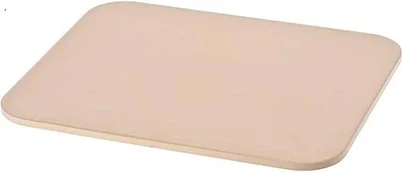
15-Inch Ceramic Pizza Stone for Perfect Crispy Crusts
- Ceramic (clay-based baking stone)
- The brand calls it PFAS-free, which we have not verified
- Glaze degradation and surface leaching
3 hazards checked on this product. See all of them.
Deluxe Square Pizza Stone with Rack
- ceramic or unglazed stone; no nonstick coating
- The brand calls it PFAS-free, which we have not verified
- Ceramic or stone cracking and fragmentation
2 hazards checked on this product. See all of them.
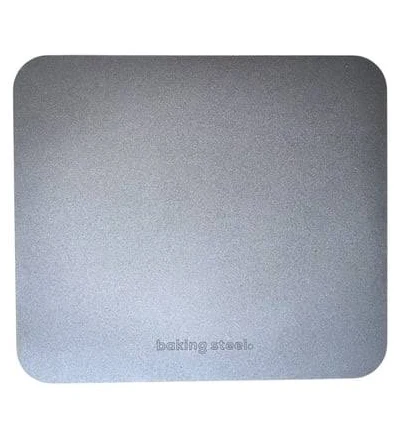
Baking Steel
The Original Ultra Conductive Pizza Stone
- carbon steel (bare metal, no coating)
- We found no PFAS statement from the brand
- Rust and corrosion
2 hazards checked on this product. See all of them.
Find an alternative on AmazonMore pizza stones & baking surfaces grades
How we score, every product runs through the same public 0-100 rubric based on materials, coatings, brand disclosure, lab findings, and recalls. See the full methodology → Spotted a mistake? Report an error.