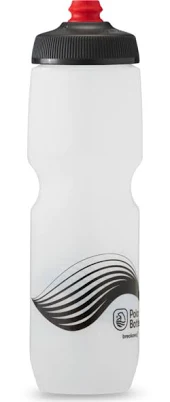
Polar Bottle · Portable Water Bottles
Polar Bottles Breakaway Wave
Low risk. Plastic bottle with carbon filtration shows no PFAS signals.
This bottle is standard plastic with a replaceable carbon filter. No evidence suggests PFAS-heavy coatings or treatments; the brand makes no PFAS claims.
We flunk more products than we pass. This one earned its grade. How we grade
Material
BPA-free plastic bottle with activated carbon filter cartridge
Brand disclosure
Brand is silent on PFAS
Lab data
No public lab test
You may also be interested in
Top-graded picks in the categories readers replace first, every one scored on the same rubric.

- polypropylene filter housing, carbon/sediment cartridge
- We found no PFAS statement from the brand
- Bacterial growth in spent cartridges
3 hazards checked on this product, all on its full breakdown.

Aquasure
Premier Series 75 GPD Under Sink Reverse Osmosis Water Filtration System
- RO membrane, carbon filters, stainless steel housing
- We found no PFAS statement from the brand
- Bacterial and microbial growth in housing and filters
4 hazards checked on this product, all on its full breakdown.

Avocado
Vegan Mattress
- organic cotton, natural latex, coconut coir, recycled steel coils
- The brand calls it PFAS-free, which we have not verified
- Heavy metals
2 hazards checked on this product, all on its full breakdown.
What Polar Bottles Breakaway Wave is made of, ingredients and materials
The Polar Bottle Breakaway Wave uses food-grade polypropylene (PP) or similar BPA-free plastic for the bottle body, paired with an activated carbon filter cartridge. Polypropylene is stable under normal use conditions and does not leach endocrine-disrupting chemicals like BPA or BPS when kept away from high heat. The activated carbon is the filtration medium; it binds chlorine, some organic compounds, and odors but does not remove bacteria or viruses on its own.
What’s concerning
Category baseline
The starting point for this type of product, before anything specific to this product is counted.
No PFAS disclosure
No public statement from the brand about PFAS in this product.
Bacterial growth in filter cartridge if unmaintained
Activated carbon filters can support microbial colonization if left wet and unused for extended periods or if the cartridge is not replaced on schedule. Regular replacement and drying between uses mitigates this risk.
Carbon filter efficacy degradation over time
Activated carbon becomes saturated and loses ability to absorb chlorine, odors, and some organic compounds after 40-100 gallons. This is not a toxicity hazard but a performance failure; expired filters provide no meaningful filtration.
Contamination of drinking water if filter housing cracks
The filter cartridge housing can develop hairline fractures if dropped or if the bottle is over-tightened. A compromised seal may allow unfiltered water to bypass the carbon, though structural failures are not commonly reported for this model.
What’s reassuring
Base material not linked to PFAS
The main material recorded for this product is not one associated with PFAS.
Plastic leaching from bottle body under heat stress
Polypropylene is chemically stable at room temperature and normal use. No published reports of leaching from Polar Bottle products under normal conditions; risk increases only with prolonged exposure to >60°C water or direct sunlight.
Microplastics
Food-grade polypropylene used in Polar Bottles is designed to resist degradation. Microplastic shedding is not a documented issue with this product category under normal use and storage.
Source, EPA ↗How is this PFAS grade calculated?
The brand's record and disclosure
Polar Bottle has no documented history of major recalls or safety controversies specific to this product line. The brand does not publicly advertise PFAS-testing results or make explicit PFAS avoidance claims, which is typical for the water-bottle category. Third-party certifications (NSF, WQA) are not widely visible in marketing materials for this model, though the carbon filtration design is standard and generally recognized as safe.
How it compares in its category
The Breakaway Wave sits in the mid-range of filtered water bottles. It offers basic carbon filtration without requiring electricity or complex cartridge swaps, making it lower-maintenance than pitcher filters or faucet-mount systems. Compared to unfiltered bottles, it provides measurable taste and odor reduction; compared to premium filter jugs or under-sink systems, it is less thorough but more portable and affordable.
If you buy it
Replace the carbon filter cartridge every 40-100 gallons or 2-3 months, depending on your tap water quality and usage; expired filters lose efficacy and can harbor bacterial biofilm. Rinse the bottle and cap weekly with warm water and mild soap. Do not expose the plastic body to boiling water or prolonged sunlight, as polypropylene can warp above 100°C. Store the unused filter cartridges in a dry place to prevent mold growth.
What is not known about PFAS in this product?
- Basis
- Model estimate, 72% confidence, not a lab result
- Lab test
- None on record for this exact product
- Brand statement
- Polar Bottle has made none
Formulations change between production runs, so check the current label. How we grade.
What are the PFAS-free alternatives to Polar Bottles Breakaway Wave?
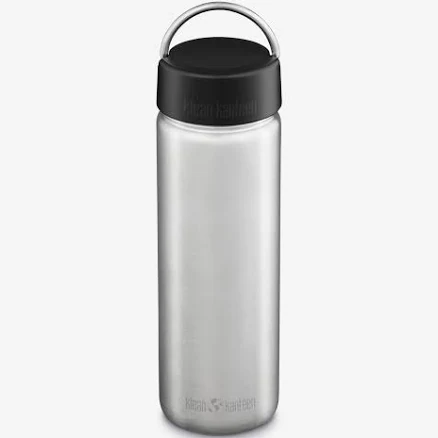
- 18/8 stainless steel, no interior coating
- The brand calls it PFAS-free, which we have not verified
- Cap or closure contamination
2 hazards checked on this product, all on its full breakdown.
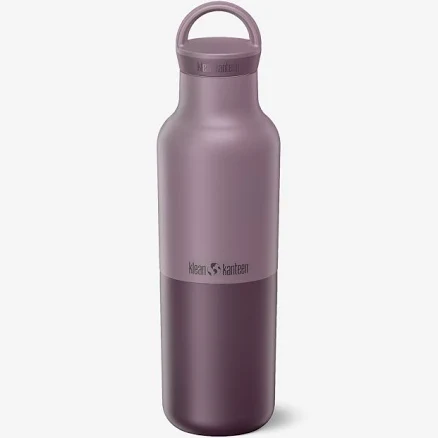
- stainless steel body, foam insulation, stainless steel cap
- The brand calls it PFAS-free, which we have not verified
- Cap gasket and seal contamination
- Stainless steel body, no coating disclosed
- We found no PFAS statement from the brand
- Bacterial or mold growth in storage
3 hazards checked on this product, all on its full breakdown.
More portable water bottles grades
How we score, every product runs through the same public 0-100 rubric based on materials, coatings, brand disclosure, lab findings, and recalls. See the full methodology → Spotted a mistake? Report an error.