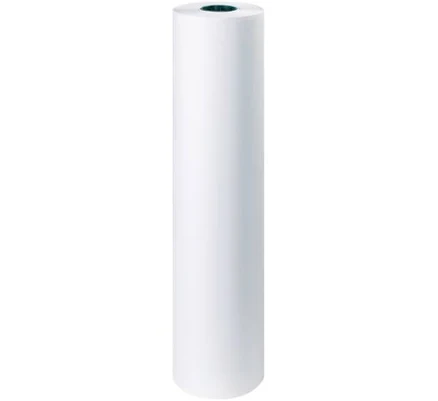
· Grease-Resistant Butcher & Deli Paper
BOX Butcher Paper Roll
Likely grease-resistant treated; PFAS status unclear without disclosure.
Butcher paper products typically use water and grease-resistant coatings often PFAS-based. The brand provides no information on PFAS or treatment chemistry, limiting confidence.
The better-graded swap
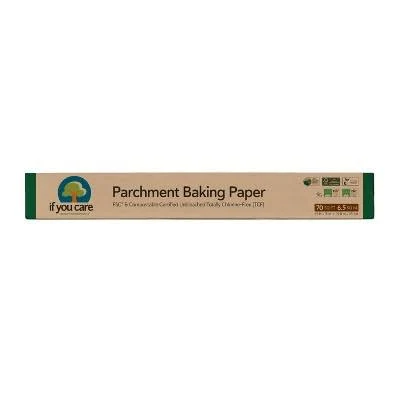
If You Care
If You Care Parchment Baking Sheets
90/100 safety
Same rubric that flunked this product. The swap earned Excellent.
Still want this one anyway? Check the price on Amazon. We’d swap it.
Material
Paper with PE/silicone coating, grease-resistant treatment unspecified
Brand disclosure
Brand is silent on PFAS
Lab data
No public lab test
You may also be interested in
Top-graded picks in the categories readers replace first, every one scored on the same rubric.

- polypropylene filter housing, carbon/sediment cartridge
- We found no PFAS statement from the brand
- Bacterial growth in spent cartridges
3 hazards checked on this product, all on its full breakdown.

Aquasure
Premier Series 75 GPD Under Sink Reverse Osmosis Water Filtration System
- RO membrane, carbon filters, stainless steel housing
- We found no PFAS statement from the brand
- Bacterial and microbial growth in housing and filters
4 hazards checked on this product, all on its full breakdown.

Avocado
Vegan Mattress
- organic cotton, natural latex, coconut coir, recycled steel coils
- The brand calls it PFAS-free, which we have not verified
- Heavy metals
2 hazards checked on this product, all on its full breakdown.
What BOX Butcher Paper Roll is made of, ingredients and materials
Butcher paper is a kraft paper base with a polyethylene (PE) and silicone coating system designed to resist grease penetration. The grease-resistant treatment is not specified by the brand, which is the critical gap, most commercial butcher papers use fluorinated compounds (PFAS) to achieve water and oil repellency, though some manufacturers have switched to silicone-only or wax-based systems. PE itself is food-safe when virgin and uncolored; the hazard lies in the unidentified grease-resist additive.
What’s concerning
Category baseline
The starting point for this type of product, before anything specific to this product is counted.
No PFAS disclosure
No public statement from the brand about PFAS in this product.
Waterproof / stain-resistant treatment
Water-repellent coating treatments have historically used PFAS.
PFAS
The brand does not disclose whether grease resistance is achieved via PFAS, wax, silicone, or hybrid methods. This is the primary concern; butcher papers are a known PFAS exposure source in food packaging, but alternatives exist.
Source, ATSDR ↗Thermal stability of coating system
PE and silicone coatings are stable at room temperature and freezer conditions. Heat above 150°C risks accelerated degradation and leachate migration, though acute toxicity at home-use temperatures is unlikely.
Microplastic or coating particle shedding
Paper coatings can shed particulates if surface is damaged or overhandled. Risk is highest if wrapper is crumpled repeatedly or used beyond its intended shelf life; particles in food are unlikely but possible.
What’s reassuring
Polyethylene (PE) film layer
Virgin PE food-contact film carries no established chemical hazard if uncolored and unfilled. Risk only if coating degrades under heat or mechanical wear and particles migrate to food.
Ink or printing (if any)
This product appears to be unprinted or minimally printed; if printed, standard food-grade inks used in North America are regulated. No specific hazard reported for branding.
How is this PFAS grade calculated?
The brand's record and disclosure
The brand is a regional/private-label brand with minimal public disclosure on coating chemistry or PFAS status. No major third-party certifications (NSF, FDA facility audits) are on record for this product. The brand has not publicly committed to PFAS elimination or transparency testing, which is standard among premium butcher-paper vendors. This silence is notable because grease-resistant food-contact papers are a known PFAS exposure pathway.
How it compares in its category
Standard butcher papers fall into three tiers, commodity (likely PFAS-coated, unverified), mid-market (mixed chemistry, sparse disclosure), and premium (certified PFAS-free or FDA/NSF verified). The brand sits in the middle tier with no disclosed testing. Competitors like If You Care (plant-based wax alternative) or Unbleached butcher papers with silicone-only coatings offer higher transparency, though at higher cost. For occasional home use, poses no acute risk; frequency and intended contact time matter.
If you buy it
Use for cold and room-temperature wrapping (deli storage, freezing). Avoid direct contact with hot foods or prolonged heat (>150°C) to minimize any coating leachate migration. Do not use in ovens or for direct grilling. Replace rolls annually even if unused, as coating can degrade and off-gas in storage. If available, request product documentation from the retailer specifying whether the grease-resist treatment is PFAS-free or fluorinated; The brand's silence should prompt this ask.
What is not known about PFAS in this product?
- Basis
- Model estimate, 45% confidence, not a lab result
- Lab test
- None on record for this exact product
- Brand statement
- has made none
Formulations change between production runs, so check the current label. How we grade.
What are the PFAS-free alternatives to BOX Butcher Paper Roll?
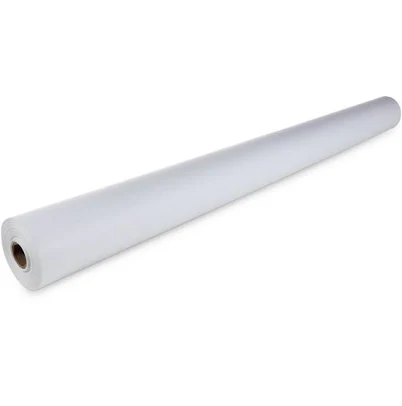
IDL Packaging
White Butcher Paper 18" x 12000" Natural Butcher Paper Roll for Meat and Fish
- unbleached natural kraft paper
- The brand calls it PFAS-free, which we have not verified
- Mold or microbial growth
- unbleached parchment paper, silicone coating
- The brand calls it PFAS-free, which we have not verified
- Silicone coating degradation under heat stress
2 hazards checked on this product, all on its full breakdown.
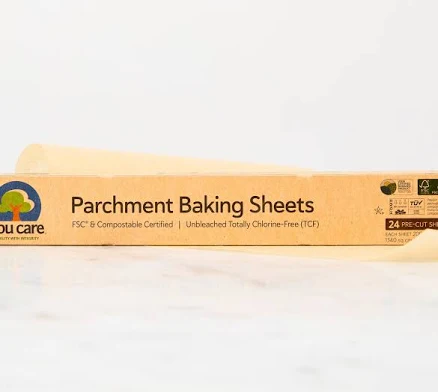
- Silicone-coated parchment paper
- The brand calls it PFAS-free, which we have not verified
- Silicone coating degradation at high heat
More grease-resistant butcher & deli paper grades
How we score, every product runs through the same public 0-100 rubric based on materials, coatings, brand disclosure, lab findings, and recalls. See the full methodology → Spotted a mistake? Report an error.