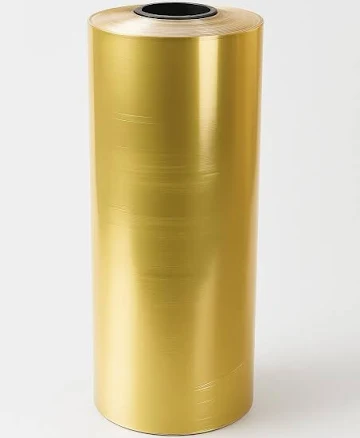
· Deli Meat & Cold Cuts Packaging
PVC Meat Wrapping Film Roll
Skip. PVC meat film often uses PFAS-based grease barriers.
PVC cling film for meat typically includes PFAS-based grease-resist coatings to prevent leakage. The manufacturer makes no PFAS disclosure.
The better-graded swap
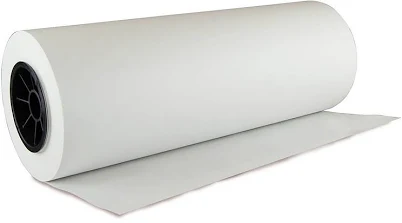
LEM
LEM 15" Freezer Paper Cutter
80/100 safety
Same rubric that flunked this product. The swap earned Excellent.
Still want this one anyway? Check the price on Amazon. We’d swap it.
Material
PVC film, likely grease-resistant treated
Brand disclosure
Brand is silent on PFAS
Lab data
No public lab test
You may also be interested in
Top-graded picks in the categories readers replace first, every one scored on the same rubric.

- polypropylene filter housing, carbon/sediment cartridge
- We found no PFAS statement from the brand
- Bacterial growth in spent cartridges
3 hazards checked on this product, all on its full breakdown.

Aquasure
Premier Series 75 GPD Under Sink Reverse Osmosis Water Filtration System
- RO membrane, carbon filters, stainless steel housing
- We found no PFAS statement from the brand
- Bacterial and microbial growth in housing and filters
4 hazards checked on this product, all on its full breakdown.

Avocado
Vegan Mattress
- organic cotton, natural latex, coconut coir, recycled steel coils
- The brand calls it PFAS-free, which we have not verified
- Heavy metals
2 hazards checked on this product, all on its full breakdown.
What PVC Meat Wrapping Film Roll is made of, ingredients and materials
This is polyvinyl chloride (PVC) film, the standard for butcher counters and retail meat packaging. PVC requires plasticizers to remain flexible; phthalates (diethyl phthalate, DEHP, DBP) are the most common and migrate into fatty foods like meat and cheese. The 'grease-resistant' treatment you mention typically relies on fluorocarbon coatings, which are PFAS-based compounds applied to the surface to repel oils. This combination makes PVC meat wrap one of the highest-risk food-contact plastics for chemical migration into your protein.
What’s concerning
Category baseline
The starting point for this type of product, before anything specific to this product is counted.
No PFAS disclosure
No public statement from the brand about PFAS in this product.
Waterproof / stain-resistant treatment
Water-repellent coating treatments have historically used PFAS.
Phthalate esters (DEHP, DBP, other plasticizers)
PVC meat film almost always contains phthalates to achieve flexibility. These migrate into fatty foods (meat lipids, cheese) at room temperature and accelerate in warmth, with no industry standard for maximum residue levels in retail wrap.
PFAS
The grease-resistance of this product almost certainly relies on fluorocarbon (PFAS) surface treatment. The brand does not disclose the specific chemistry or confirm use of short-chain PFAS alternatives, leaving this unconfirmed but highly probable given the material class.
Source, ATSDR ↗Chlorine off-gassing and volatile organic compounds (VOCs)
PVC can release hydrogen chloride and vinyl chloride monomers, particularly in storage or when exposed to sunlight or heat. Home storage conditions are generally low-risk, but long-term exposure to poorly ventilated storage areas may contribute to indoor air contamination.
Microplastic shedding during use
Cutting, stretching, and wrapping PVC film can degrade the surface and introduce microplastic fragments into contact with meat surfaces, especially if the film is old or stored in warm conditions.
What’s reassuring
Lead
Modern food-contact PVC in the US is banned from using cadmium or lead stabilizers (FDA rules). Product is unlikely to contain these, but no public certification confirms compliance.
Source, ATSDR ↗How is this PFAS grade calculated?
The brand's record and disclosure
The brand has not published ingredient transparency, PFAS disclosure, or phthalate phase-out commitments in publicly available documents. The brand does not list certifications (NSF, FDA reformulation notices, or PFOA/PFOS avoidance statements) that would indicate lower concern for PFAS. Silence on grease-barrier formulation is particularly concerning in this product category, where PFAS use is industry-standard and largely unregulated at the retail level.
How it compares in its category
PVC meat wrap is at the lower end of food-packaging safety. Polyethylene (PE) and polypropylene (PP) film alternatives exist but are less grease-resistant and more commonly used for dry goods. Butcher paper, wax-coated paper, and silicone-treated cellulose show lower concern for grease-resistant chemistry but are less convenient and more expensive. Most major retailers have not switched away from PVC for cost reasons, meaning this product sits in the mainstream rather than among lower-concern options.
If you buy it
Do not heat or microwave PVC meat wrap; phthalate migration accelerates sharply above room temperature. Use it only for cold storage (refrigerator, under 40°F). Keep fatty meats, cheeses, and cured goods wrapped time to less than 2 weeks to reduce cumulative exposure. Lower-concern alternative, transfer meat to glass or ceramic containers, or use butcher paper and rubber bands. If you must use PVC, buy from a brand with published PFAS and phthalate commitments (available from major retailers for premium lines).
What is not known about PFAS in this product?
- Basis
- Model estimate, 35% confidence, not a lab result
- Lab test
- None on record for this exact product
- Brand statement
- has made none
Formulations change between production runs, so check the current label. How we grade.
What are the PFAS-free alternatives to PVC Meat Wrapping Film Roll?
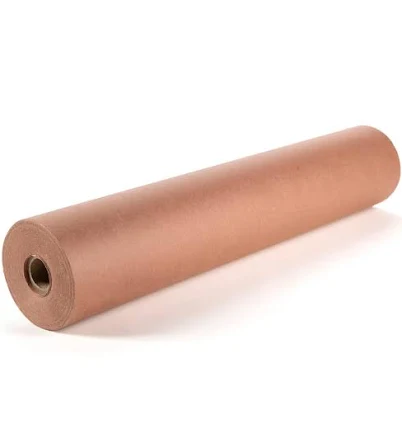
IDL Packaging
White Butcher Paper 18" x 12000" Natural Butcher Paper Roll for Meat and Fish
- natural kraft butcher paper, no coating specified
- The brand calls it PFAS-free, which we have not verified
- Bleach residue and chlorine compounds
2 hazards checked on this product, all on its full breakdown.
- stainless steel blade, bare metal construction
- We found no PFAS statement from the brand
- Blade degradation and metal particle shedding
2 hazards checked on this product, all on its full breakdown.
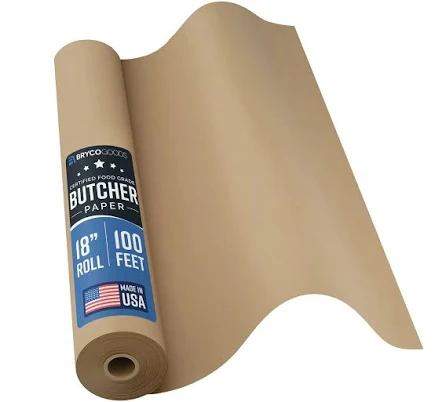
- kraft paper, unbleached cellulose
- We found no PFAS statement from the brand
- Heavy metals
2 hazards checked on this product, all on its full breakdown.
More deli meat & cold cuts packaging grades
How we score, every product runs through the same public 0-100 rubric based on materials, coatings, brand disclosure, lab findings, and recalls. See the full methodology → Spotted a mistake? Report an error.